The Low-Ceiling Build — 8 ft Basement
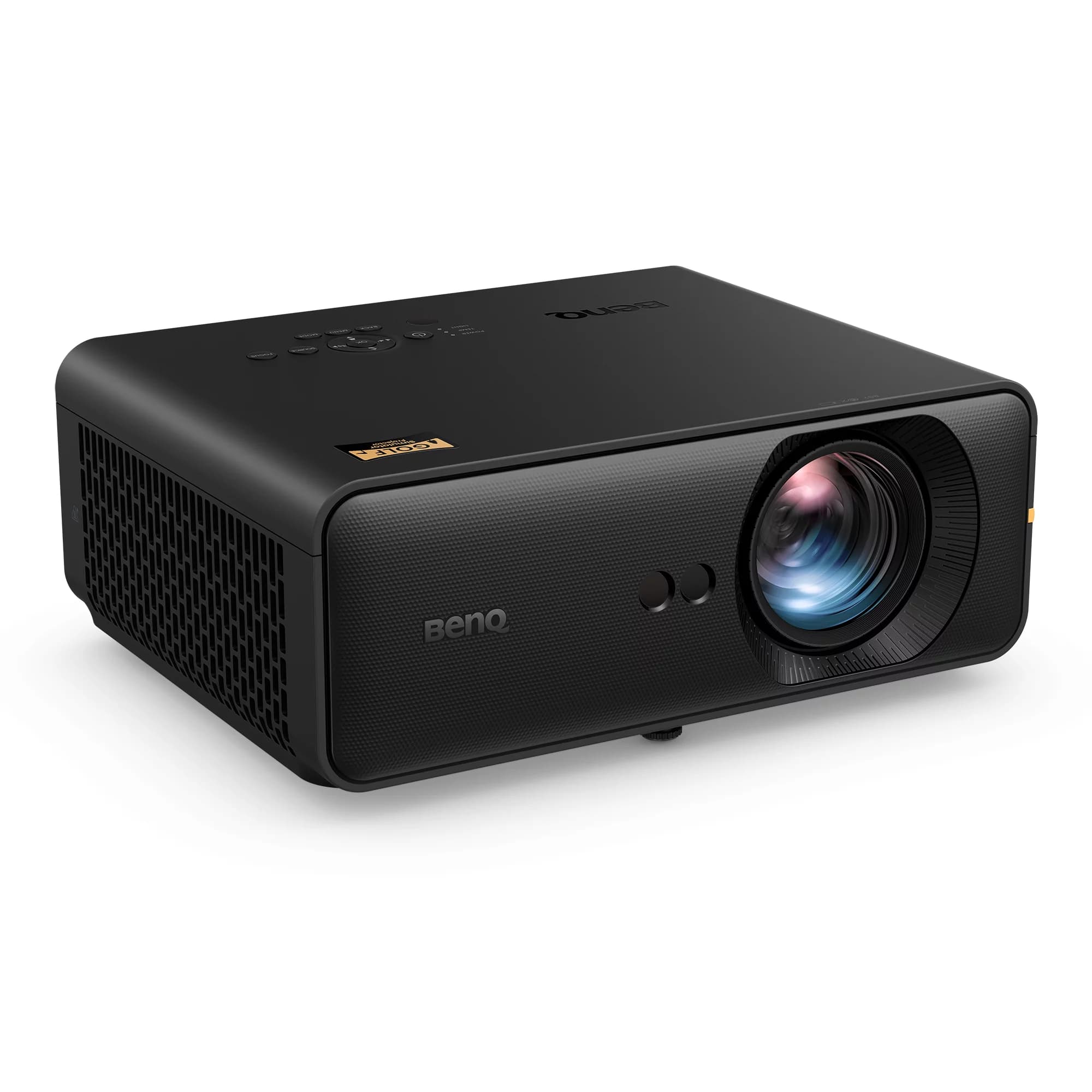
Most builds quietly assume 9+ ft ceilings. This one doesn't. The Square Golf Omni is photometric and side-mounted — no overhead clearance needed. The BenQ AH500ST is ultra-short-throw, so it can be mounted close to the screen without the projector beam crossing the swing path. The Carl's Place 4x4 enclosure is sized to whatever ceiling height you actually have. Honest tradeoff: even with all of this, full driver swings under an 8 ft ceiling are tight. Practice grip-down and don't expect a full unhinged motion.
Room requirements
The honest minimums. If your room is smaller, jump to the configurator — it’ll suggest a different build that fits.
Minimum room
Who this is for
- — Basement converters with 7'10" to 8'2" ceilings
- — Buyers who've measured twice and confirmed the constraint
- — Players willing to grip down for full-swing clearance
- — Cost-conscious users who want photometric data in tight rooms
Cost breakdown
Required items first, then optional add-ons. Subscriptions and consumables shown separately.
| Category | Product | Price |
|---|---|---|
| Launch monitor | Square Golf OmniSquare Golf | $1,599 |
| Hitting mat | Country Club Elite Mat (5×5)Real Feel Golf Mats | $599 |
| Enclosure | C-Series DIY Enclosure (8x8)Carl's Place | $1,000 |
| Projector | ZK431ST-BOptoma | $1,799 |
| Computer | Beelink SER8 (Mini PC)Beelink | $859 |
| Software | Native LM Software (Bundled)Various | $0 |
| Accessory | Cables & Power ManagementVarious | $120 |
| Total (required items) | $5,976 | |
When you buy through links on Northcourse, we may earn a commission at no additional cost to you. Read the full affiliate disclosure
Two minutes, five questions, one tailored build.
Build your simulatorField notes
Who this build is for
Picture a finished basement in suburban Pittsburgh or Mississauga. The previous owner dropped the ceiling for ductwork and the highest joist measures seven feet ten inches. The owner is a serious recreational player — thirty rounds a year, single-digit handicap on a good month, and they've spent two winters telling themselves the basement is a write-off. It is not. It is a working iron-and-wedge room if you build it correctly and you're honest about what it can and cannot be.
This build exists because the Square Golf Omni is a side-mounted photometric unit with no overhead clearance requirement, and because the BenQ AH500ST has the tightest throw ratio in the BenQ golf line at 0.499 — it fills a ten-foot screen from five feet, so the beam reaches the screen at a sharp angle without crossing the swing arc. (It is a very short short-throw, not a true ultra-short-throw; that category starts under 0.4 and we don't track one.) Pair them with a Carl's Place enclosure custom-sized to your actual ceiling height, not theirs, and the room works. Use /tools/ceiling-height before you buy anything.
What this build trades, plainly
Eight feet is below the realistic minimum for full driver swings. This is the single trade you have to accept on day one or this build will frustrate you within a week. A six-foot golfer with a forty-five inch driver, swinging at full speed, needs every inch of nine feet of ceiling and often more. At seven foot ten, the clubhead path will hit drywall on the takeaway or the downswing. That's not a manufacturer detail. That's physics.
What this build is, instead, is an iron-and-wedge studio. Seven-iron through gap wedge with full swings, hybrids and longer irons with a controlled three-quarter motion, and driver work moved outdoors during the season. That sounds like a compromise because it is one. It's also the honest framing — a low-ceiling build that pretends to be a full-bag indoor range will end with a cracked drywall corner and a frustrated owner.
Why photometric, not radar
In a low-ceiling basement the photometric-versus-radar choice is even more constrained than in a tight apartment. Radar needs sixteen feet of length and ball-flight space the unit can read — it doesn't care about the ceiling, but the ceiling cares about the swing. You're already accepting a constrained motion; you don't get to also accept a constrained ball-flight read.
Photometric units capture the impact moment from the side. The Square Omni reads the ball, the club, and the impact in a fraction of a second, before any meaningful ball flight happens. It is rated down to ten feet of length, and it doesn't notice that the ceiling is two feet too low for a driver. It's the right tool for the room you actually have.
The Uneekor EYE XO2 is photometric and it is also the wrong fit for this build. It mounts overhead, lists a nine-foot ceiling minimum, and really wants nine and a half for the camera angle to work. In a seven-foot-ten room, it physically does not install. Wonderful product, wrong room.
What's actually safe for your specific constraint
The honest dimensional rules for a low-ceiling basement:
- Ceiling. Nine feet is the realistic minimum for full driver swings. Eight and a half feet works for golfers under five-foot-nine, with a slight grip-down. Below that, you are committed to iron-and-wedge work indoors. Manufacturer minimum recommended is often eight feet flat. Community testing places the realistic floor at nine feet for golfers over five-foot-ten — and at eight feet you are explicitly accepting a partial-bag setup.
- Length. Twelve feet of total depth is the photometric comfort floor. The Square Omni is rated to ten and the retailer space guides agree, but at ten you'll be standing close enough to the screen that follow-through feels cramped.
- Width. Nine feet is the single-handed floor with side netting, eleven is where it stops feeling tight, and twelve is the number for both-handed play without repositioning. The Carl's Place 8×8 screen wants about 8'4" of clear width once you allow for tensioning the frame.
- Enclosure height. Order the Carl's Place screen sized to your actual ceiling minus four inches for the mount and an inch for the bungee headers. Pre-bundled enclosures are almost always sized for nine-foot ceilings. Custom is the move.
On the projector choice
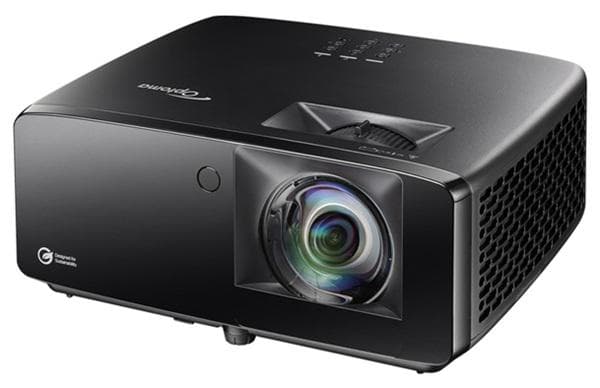
This is where the projector's throw ratio earns its place. A longer-throw projector mounted near the screen in a low-ceiling room puts the lens at swing height — the beam crosses the swing arc and the projector eats a club within a month. The tighter the throw ratio, the closer to the screen the projector sits and the more sharply the beam angles down, well below the swing path. The Optoma ZK431ST-B is 0.496:1, which ties the tightest geometry we track, and unlike the BenQ AH500ST it was carrying before 2026-09-20 you no longer trade resolution to get there: it is native 4K at 4,100 lumens for $200 less. The GT2400HDR is the same 0.496 geometry at $1,299 if 1080p is acceptable and the $500 matters more.
Closing pointer
Run /tools/ceiling-height with your actual ceiling and your driver length before ordering — it will tell you whether you're an iron-and-wedge build or whether you have a few inches more than you thought. If you measure higher than eight foot eight, look at the cost-effective basement builds in the /for/cost-effective guide instead, since you may have more room than this build assumes. Otherwise, this is the honest path for a constrained basement. Start the configurator with your room dimensions to confirm.
Why these components
Each pick has a reason. Here’s ours.
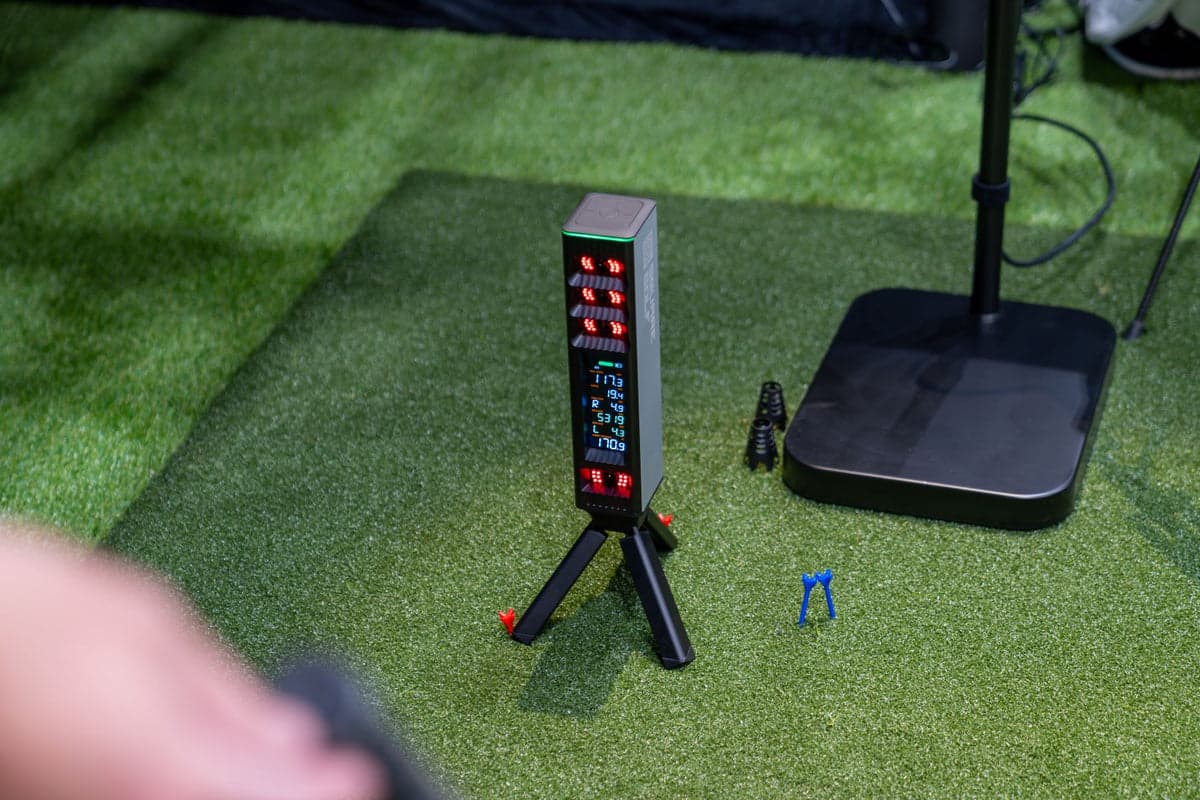
Side-mounted photometric — no overhead unit needed, no radar room-depth penalty. The right launch monitor when the ceiling can't accommodate Uneekor or Falcon-class units.
Buy from
Alternatives we considered
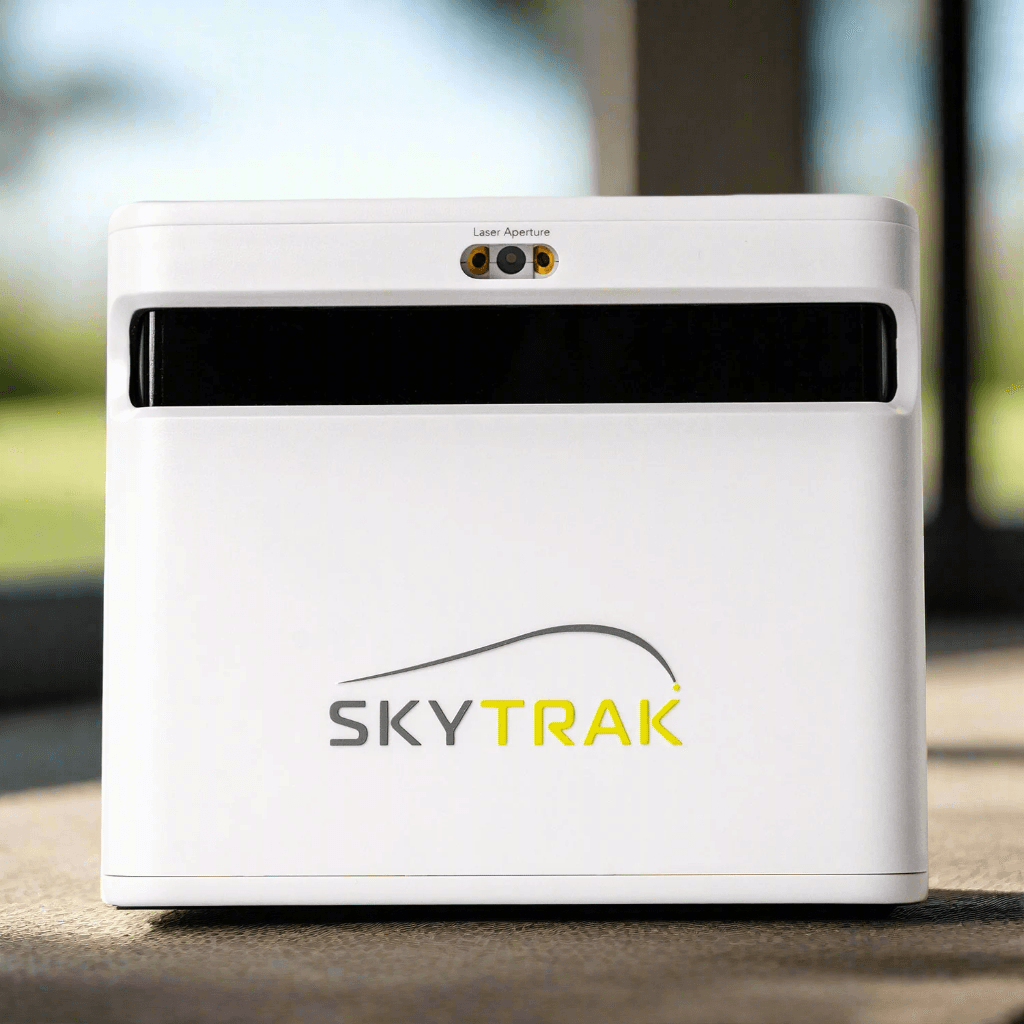 Mid-tierSkyTrakSkyTrak+
Most retailers now list the current-gen ST MAX at $1,695 against this closeout's $1,995, so the newer unit is both cheaper and the better buy. The closeout's advantage is retailer-specific rather than gone: PlayBetter has held it at $1,495 since early July, which is $500 off the same sensor platform while residual stock lasts.
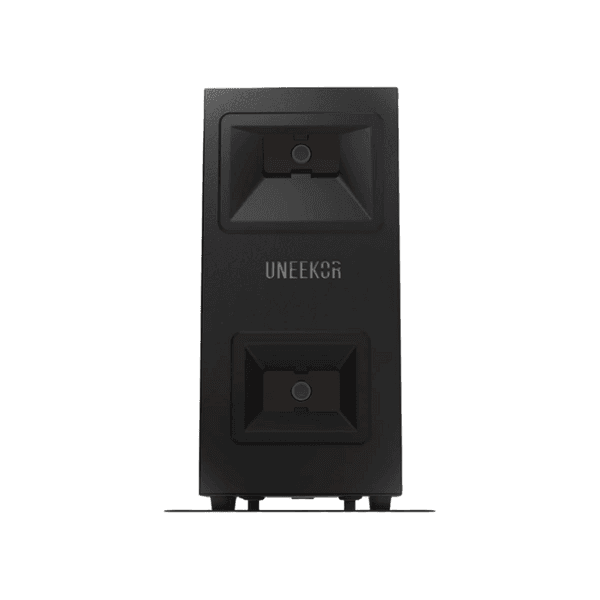 Mid-tierUneekorEYE MINI Lite
Photometric accuracy at sub-$2,800. Sometimes called the 'SkyTrak+ killer' for serious players on a budget.
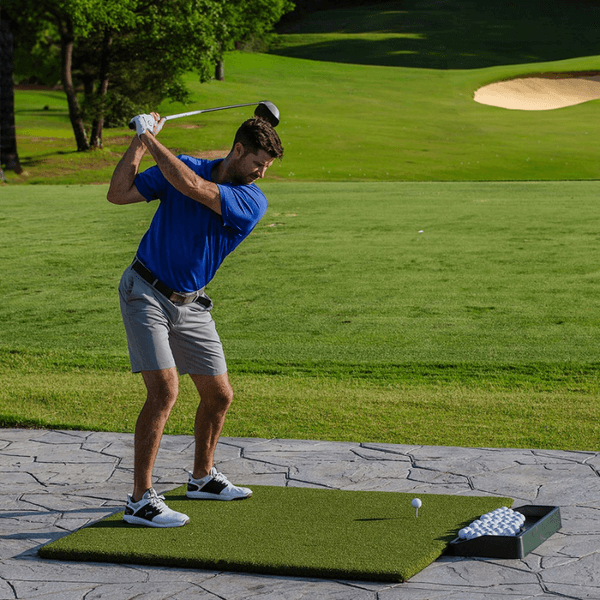
Low-profile mat that doesn't steal precious ceiling clearance. The honest minimum that lasts.
Alternatives we considered
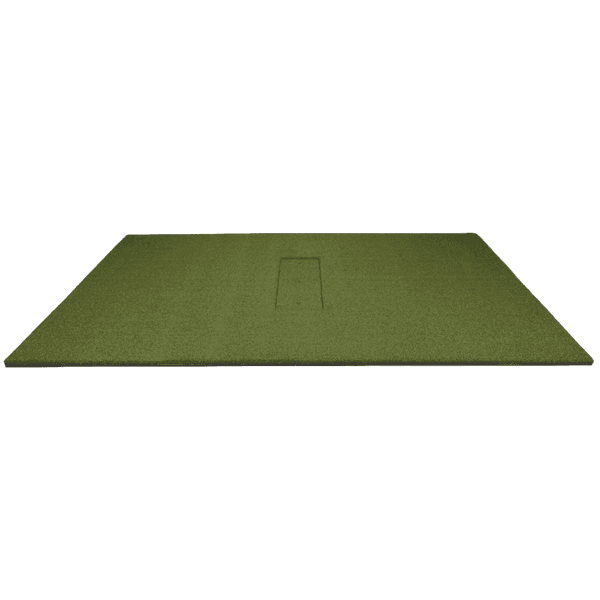 Mid-tierCarl's PlaceHotShot Hitting Mat System
Modular mat with replaceable HotShot strip inserts. Swap just the worn strip, not the whole mat. Three turf tiers.
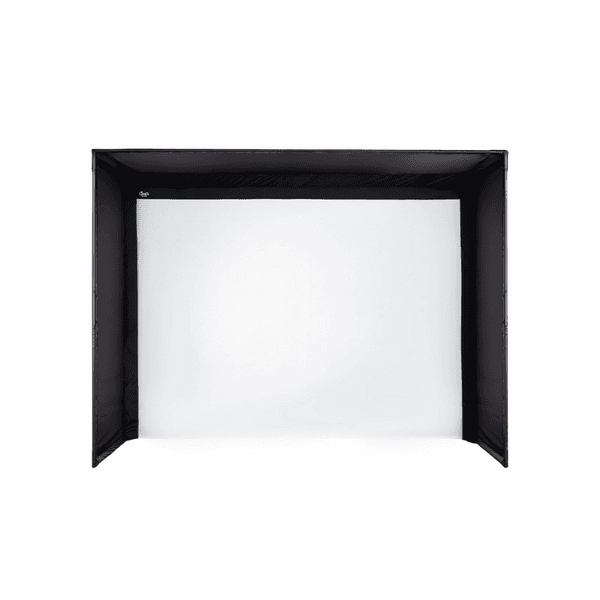
Custom-sized to your exact ceiling height — order a 7'10" enclosure if that's what fits. Pre-bundled enclosures are usually too tall.
Alternatives we considered
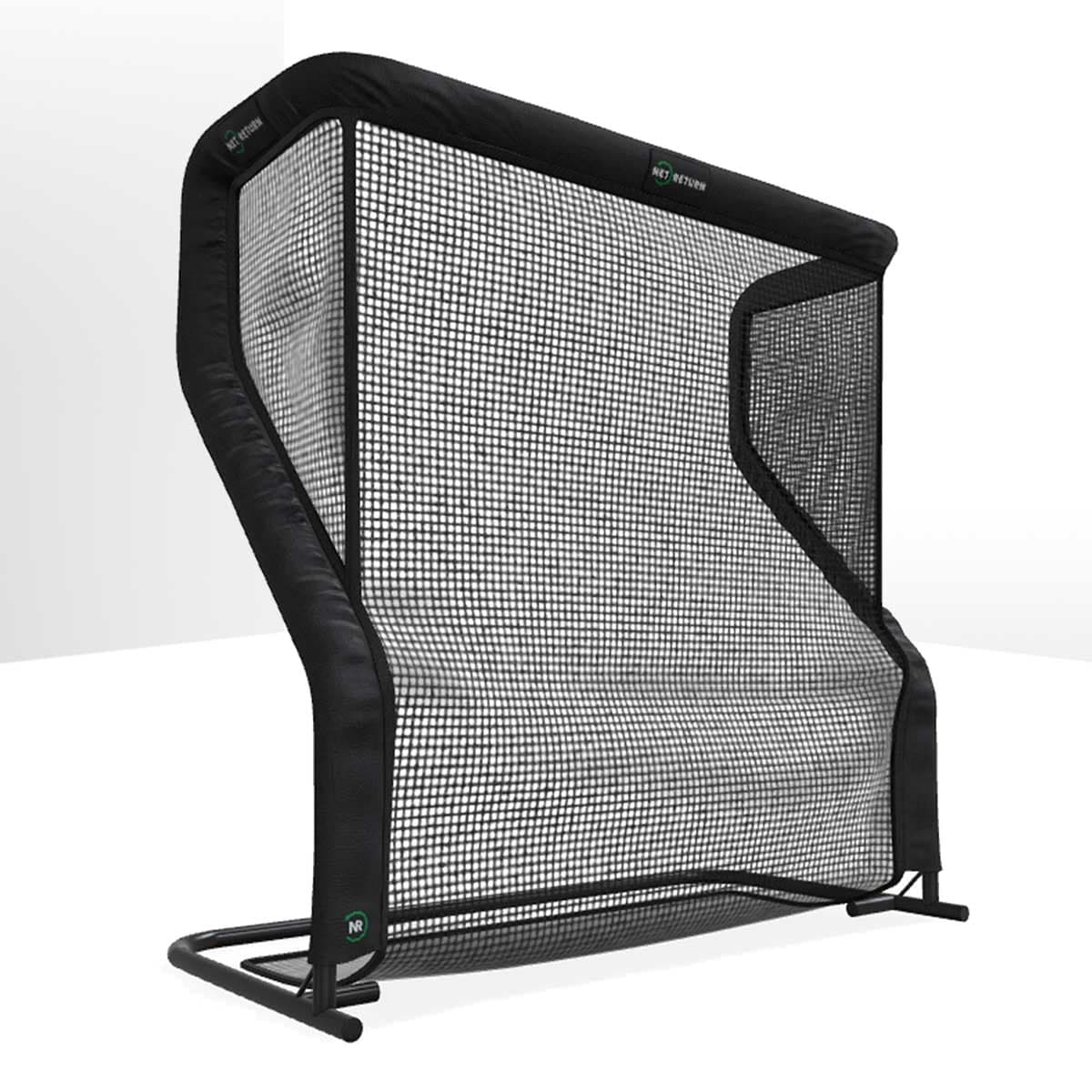 BudgetNet ReturnPro Series V2
Sets up in 5 minutes, folds for storage. Renter-friendly and apartment-viable. The portable choice.
0.496:1 ultra-short throw mounts close to the screen, so the beam angles down well below the swing path instead of crossing it — which is what kills projectors in low-ceiling rooms. Swapped in 2026-09-20 from the BenQ AH500ST: same geometry, but 4K instead of 1080p, 100 more lumens, a factory golf colour mode, and $200 cheaper. The right projector form factor for this constraint.
Alternatives we considered
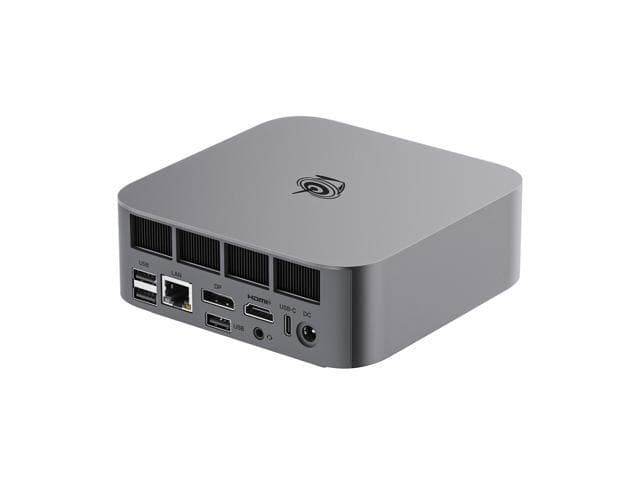
Mini PC tucks behind the screen or on a shelf — no tower stealing floor space in a small basement. Runs SkyTrak/Square native software comfortably.
Alternatives we considered
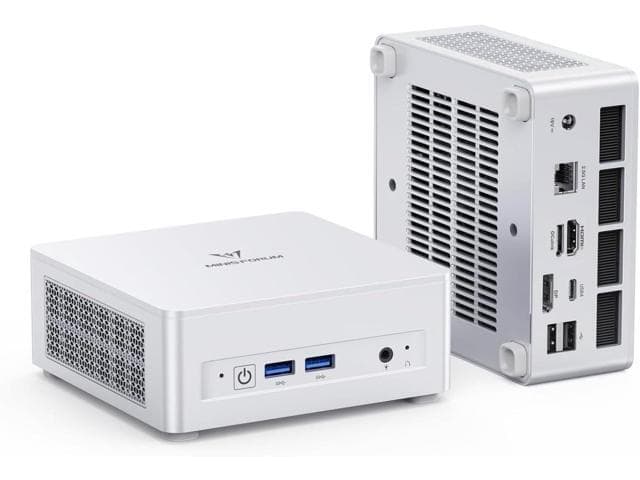 BudgetGMKtec / MINISFORUMGeneric AMD Mini PC (Radeon 780M)
1.5L mini PC for SkyTrak-family software. The honest budget answer when GSPro is not on the table.
Square's native software is included and sufficient for casual play. Skip GSPro until practice volume justifies it.
Alternatives we considered
 PremiumGSProGSPro
$250/yr for the community-standard sim platform — ~2,000 LiDAR courses, active development, annual license.
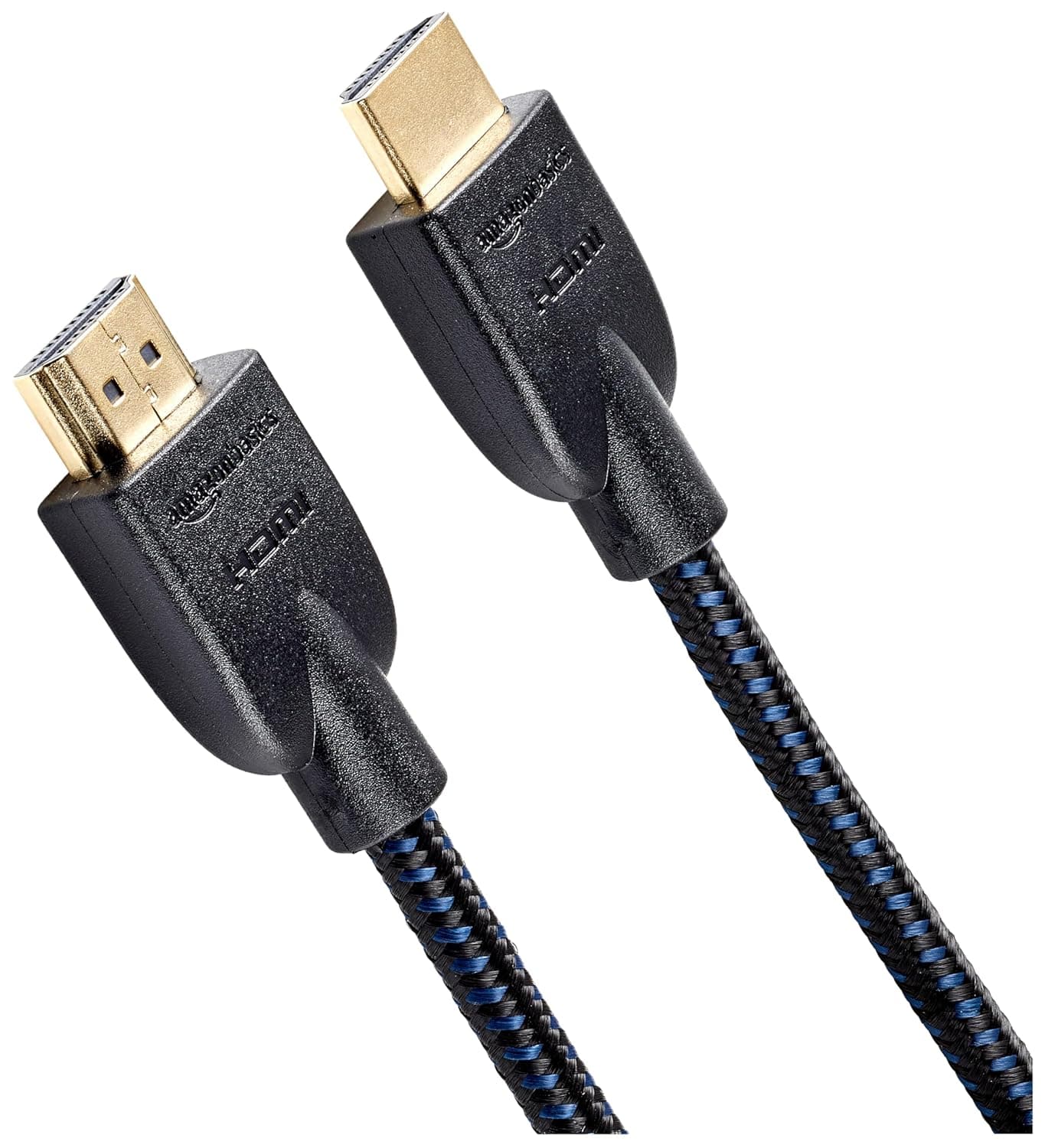
HDMI, surge protector, low-profile cable management.
Buy from
If you're cross-shopping
Side-by-side comparisons for the The Low-Ceiling Build — 8 ft Basement components.
Stay in the loop
Keep an eye on this build.
We email when meaningful pricing changes hit any component in this build, or when a stronger alternative shows up. One short message, maybe twice a month.
Want this build tailored?
Adjust for your room and your budget.
The configurator takes the same logic that produced this build and applies it to your specific dimensions and persona. If your room is tight, expect different picks.