The Garage Build — $6,000 Recreational
Built around SkyTrak's ST MAX, this is the build most casual golfers should start with. The ST MAX delivers among the best indoor accuracy under $3K at $1,695, and it is SkyTrak's current model: the same camera-plus-radar design as the SkyTrak+ it replaced, with a hitting zone about four times the area. The discontinued SkyTrak+ is about $600 cheaper while closeout stock lasts ($1,095 new); we build on the ST MAX because it will still be on sale when that stock is gone. Pair it with a Carl's Place DIY 8x8 enclosure, the Optoma GT2400HDR projector, and a Mac mini M6 running SkyTrak's macOS app, and you have a complete sim for about $5,570, inside its $6,000 label; we would rather label the build honestly than trim a part to hit $5,000. That total runs on SkyTrak's free level, which is range-only; course play is Core: Foresight at $299.99/yr, and through November 12, 2026 (SkyTrak's Holiday Sale), a new ST MAX comes with a free first year of Core: Foresight. The SkyTrak ecosystem is sufficient for casual play. GSPro is not a later add-on here: it doesn't reach a new SkyTrak, because the community plugin that bridged them supports SkyTrak app 5.4–5.8 and SkyTrak now offers only 6.2. If GSPro is the long-term plan, start from a launch monitor on GSPro's list instead.
Shop this build
Every required part, one button each.
Grouped by retailer at today’s prices. Subtotals use today’s prices, so they can differ a little from the build total, which uses our reference price for each part.
When you buy through links on Northcourse, we may earn a commission at no additional cost to you. Read the full affiliate disclosure
Build price watch
Not buying yet? We’ll email you when a part of this build drops below its 30-day typical price at a retailer we track, with what the whole build saves. Amazon isn’t one: Amazon’s rules don’t allow price alerts. No newsletter, unsubscribe in one click.
Room requirements
The honest minimums. If your room is smaller, jump to the configurator — it’ll suggest a different build that fits.
Minimum room
Room for a full driver swing up to about 5′9″ (average swing). Taller golfers: a higher ceiling.
Room planner
See this build in your sim room.
The planner opens with this room, the build's launch monitor and projector, and a 5′9″ right-hander with an average swing, all drawn to scale. Change any of them to match yours.
Who this is for
- — Casual golfers playing 5–15 rounds a year
- — Garage or basement converters with an 11 × 18 ft bay and a 9.5 ft ceiling: room for golfers up to about 5'9" with an average swing (6-footers want 10 ft)
- — Buyers who want a polished, forgiving software experience
- — Anyone considering a sim for the first time
Cost breakdown
Required items first, then optional add-ons. Subscriptions and consumables shown separately.
When you buy through links on Northcourse, we may earn a commission at no additional cost to you. Read the full affiliate disclosure
| Category | Product | Price |
|---|---|---|
| Launch monitor | $1,695 | |
| Hitting mat | $599 | |
| Enclosure | $1,000 | |
| Projector | $1,299 | |
| Computer | $780 | |
| Software | $0 | |
| Accessory | $80 | |
| Accessory | $120 | |
| Accessory · optional | +$250 | |
| Total (required items) | $5,573 | |
When you buy through links on Northcourse, we may earn a commission at no additional cost to you. Read the full affiliate disclosure
Two minutes, five questions, one tailored build.
Build your simulatorField notes
Who this build is for
Picture a 40-something with a two-car garage in suburban Ottawa or Cleveland. They play 10 to 20 rounds a year, watched the Masters in April, and decided this is the winter they finally do something about the off-season. They are not chasing a single-digit handicap. They want to power on the room, hit a bucket of balls, play a few holes at Pebble, and put it away when the family needs the garage back. The bay they can give it is 11 feet wide and 18 feet deep under a 9.5-foot ceiling, with decent insulation and one outlet they can extend.
This build exists because SkyTrak's photometric platform made a complete build under $6,000 a real entry point instead of a marketing fiction — first through the SkyTrak+ closeout, and now through the ST MAX, which has been $1,695 at every retailer since late August 2026 — a sale, as SkyTrak bills it, off a $2,995 list. The discontinued SkyTrak+ is about $600 cheaper while its closeout stock lasts ($1,095 new), and it is the listed alternative; the build stays on the ST MAX, the current model, with a hitting zone about four times the area. The launch monitor is doing a lot of the lifting. Everything else is a sober supporting cast: a Carl's Place DIY enclosure sized to your bay, an Optoma GT2400HDR for honest 1080p visuals, a Mac mini M6 running SkyTrak's macOS app, and SkyTrak's own software. All in, the build lands at $5,572.94, which is why it carries a $6,000 label rather than the $5,000 it started with; we would rather label it honestly than trim a part to hit the lower number. That total carries no annual fee, but it buys SkyTrak's free level, which is a driving range, not a golf course. Playing rounds — Pebble included — takes SkyTrak's Core: Foresight membership at $299.99 a year. Through November 12, 2026 (SkyTrak's Holiday Sale), a new ST MAX comes with a free first year of Core: Foresight, a promotion rather than the standing price, so if you buy by then the first winter's rounds cost nothing extra. If interest fades after that, let the membership lapse and keep the range; you have not buried yourself in subscriptions.
What this build trades
We do not recommend the Foresight GC3 here, and we are not pretending we'd love to. A recreational player will not see the data difference between the ST MAX and the GC3 across casual rounds. The GC3 is $3,999, Foresight's sale price since October 13, 2026, against a $6,999 list, with no announced end date — so the ST MAX saves about $2,300 (about $5,300 if the GC3 goes back to list), before the Foresight+ membership the GC3 now needs for course play (roughly $500–$1,200/yr). Either way, that money buys a much better projector and a real PC. The honest tradeoff is that the ST MAX does not measure angle of attack and uses a single-camera image, so spin numbers on shorter wedges occasionally drift. None of that matters at the volume a recreational player puts in.
The Optoma GT2400HDR is 1080p, not 4K. On an 8x8 screen at sim distance, you will not see pixels. Where you will notice the compromise is color: the BenQ TK710STi renders fairways with more pop, but it is $700 more and harder to justify until the room earns it. The Mac mini runs SkyTrak's app with plenty of margin — SkyTrak asks for an Apple M1 or newer, and the M6 is several generations past that — but it cannot run GSPro at all, since GSPro is Windows-only. That costs nothing here: GSPro doesn't reach a new SkyTrak either. We moved off the Beelink mini PC this build used to carry because SkyTrak's Windows app lists a dedicated GTX 1650 as its minimum, and we want the computer clearly above the software's requirement, not near it.
Common gotchas during install
- Ceiling for your height. This build is planned for a 9.5-foot ceiling, which suits a golfer up to about 5'9" with an average swing. A 6-footer wants 10 feet (Shop Indoor Golf's ceiling table, the figures our room planner uses). Nine feet is the lowest any published figure allows, and only for a golfer under 5'10" with a flat swing. Check yours in the ceiling-height tool before you buy.
- Room depth. Plan on 18 feet: about a foot behind the screen, the ball 10 feet from it (SkyTrak's recommended distance), and the 7 feet behind the tee that Shop Indoor Golf and Carl's Place advise. A typical driver swing reaches about 6 feet back, and the 7 feet is the published margin. SkyTrak's own room minimum is 12 feet; that leaves no room behind a ball 10 feet out.
- HDMI cable runs. A short-throw projector ceiling-mounted 8 feet from a computer tucked behind the screen needs a 25-foot HDMI cable, not the 6-footer in the box. Buy a fiber-optic HDMI 2.0 line if the run exceeds 15 feet — copper degrades fast.
- Screen tensioning. A Carl's Place screen sags if the bungees are not pulled evenly on first install. Spend 15 minutes balancing them. A loose screen ripples on impact and the projector image waves.
- Projector ceiling clearance vs. throw. The GT2400HDR needs a specific lens-to-screen distance for a 100-inch image. Measure before you mount. The mount itself takes 3.5 to 6 inches of ceiling on the fixed mounts our retailers sell, and 17 to 26 inches on the telescoping ones, which matters if you are sitting at exactly 9.5 feet.
- Dust. Garages are dusty. Set the Mac mini on a shelf, not the floor, and clean the vents every few months.
- Side-netting if width is tight. Eleven feet is SkyTrak's minimum room width for the ST MAX, and it leaves about 16 inches either side of the 8x8 frame, so a thin pull will find drywall, and the side walls sit inside the 7 feet around the golfer that Carl's Place and Shop Indoor Golf advise, which our room planner reads as under guidance. The optional side-netting is $250 worth of insurance — see our room requirements guide for the width figures.
What to upgrade first if budget grows
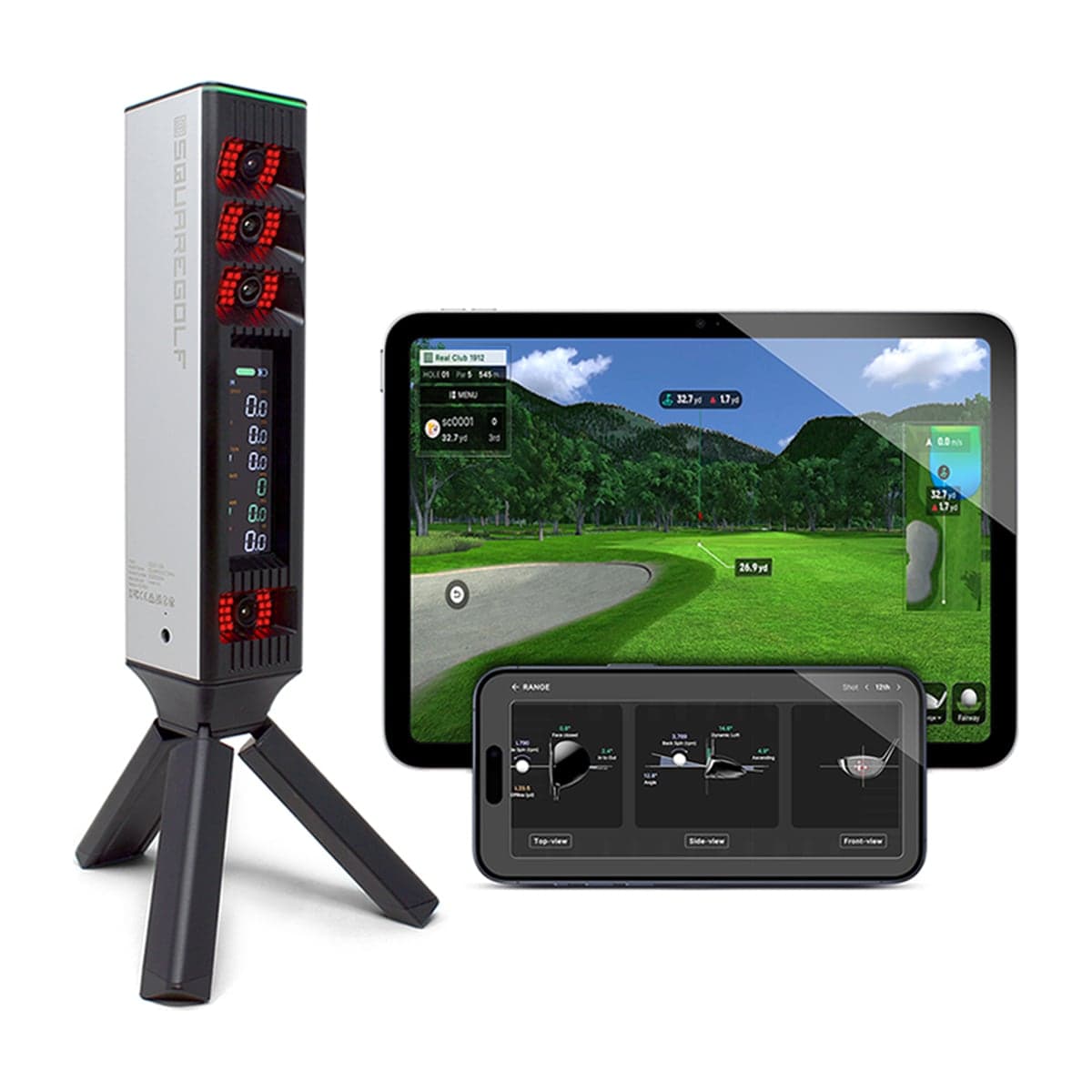
Add about $700 next year and the highest-leverage spend is the projector. Swap to the BenQ TK710STi, a 4K laser short-throw, and your virtual rounds suddenly look the way you hoped they would the first time you turned the room on. Its longer 0.69–0.83 throw hangs it a foot and a half to two and a half feet farther from the screen than the Optoma, so check the new spot with a driver in hand before you move the mount. Budget for the computer too: we pair the Mac mini with 1080p screens, and our 4K SkyTrak room, the $10,000 dedicated build, pairs this projector with an RTX 5060 tower at about $1,200. If a left-handed kid or friend joins the rotation, the Square Golf Omni at $1,599 plays either hand — Square says the unit may need to be repositioned to switch — and it sits $96 below the ST MAX. Square's app runs on Windows, iPad and Android, not macOS, so the swap also needs an iPad (one you already own works) or a Windows PC in place of the Mac mini. Absent that, we would leave the launch monitor alone — the ST MAX has years of software updates ahead, more than the SkyTrak+ it replaced, and the resale value is good if you ever do upgrade.
If the budget grows by about $1,500 instead, that is the whole gap to the $7,000 basement build, which runs a 4K projector and GSPro on a Windows tower, and the honest move is to look at that build wholesale rather than retrofit this one piece by piece; GSPro can't be added to this one's SkyTrak. Its course play is GSPro at $250/yr, in place of SkyTrak's $299.99/yr Core here.
Where to go from here
If your room is narrower than 11 feet or shallower than 18, check it in the room planner before you buy, and see our space-constrained guide for what fits smaller rooms. If you find yourself playing four times a week by February, you will outgrow this; start with the $10,000 dedicated build and skip the in-between. Otherwise, this is the build most casual golfers should start with. Start there, see how the winter goes, and re-budget in spring.
Why these components
Each pick has a reason. Here’s ours.
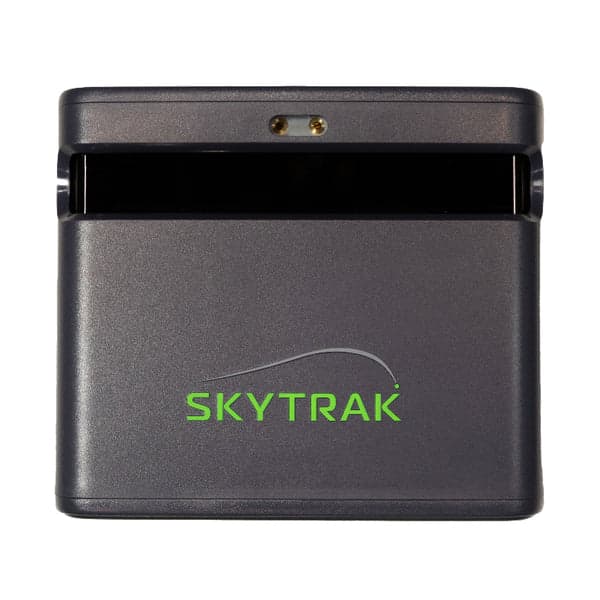
SkyTrak's current model at $1,695, with the same camera-plus-radar design as the SkyTrak+ it replaced and a hitting zone about four times the area. Among the best indoor accuracy under $3K, and beside-the-ball placement keeps the floor behind you clear for the swing. The discontinued SkyTrak+ is about $600 less while closeout stock lasts ($1,095 new), for a smaller hitting zone and a shorter support runway.
Buy from
- Buy at Amazon $1,695Free ship, SkyTrak ST MAX
- Buy at PlayBetter $1,695Free ship, SkyTrak ST MAX
- Buy at Indoor Golf Outlet $1,695Free ship, SkyTrak ST MAX
- Buy at Carl's Place $1,695Free ship, SkyTrak ST MAX
- Buy at Shop Indoor Golf $1,695Free ship, SkyTrak ST MAX
- Buy at Rain or Shine Golf $1,695Free ship, SkyTrak ST MAX
Prices confirmed Nov 12, 2026 · we check every retailer daily
Alternatives we considered
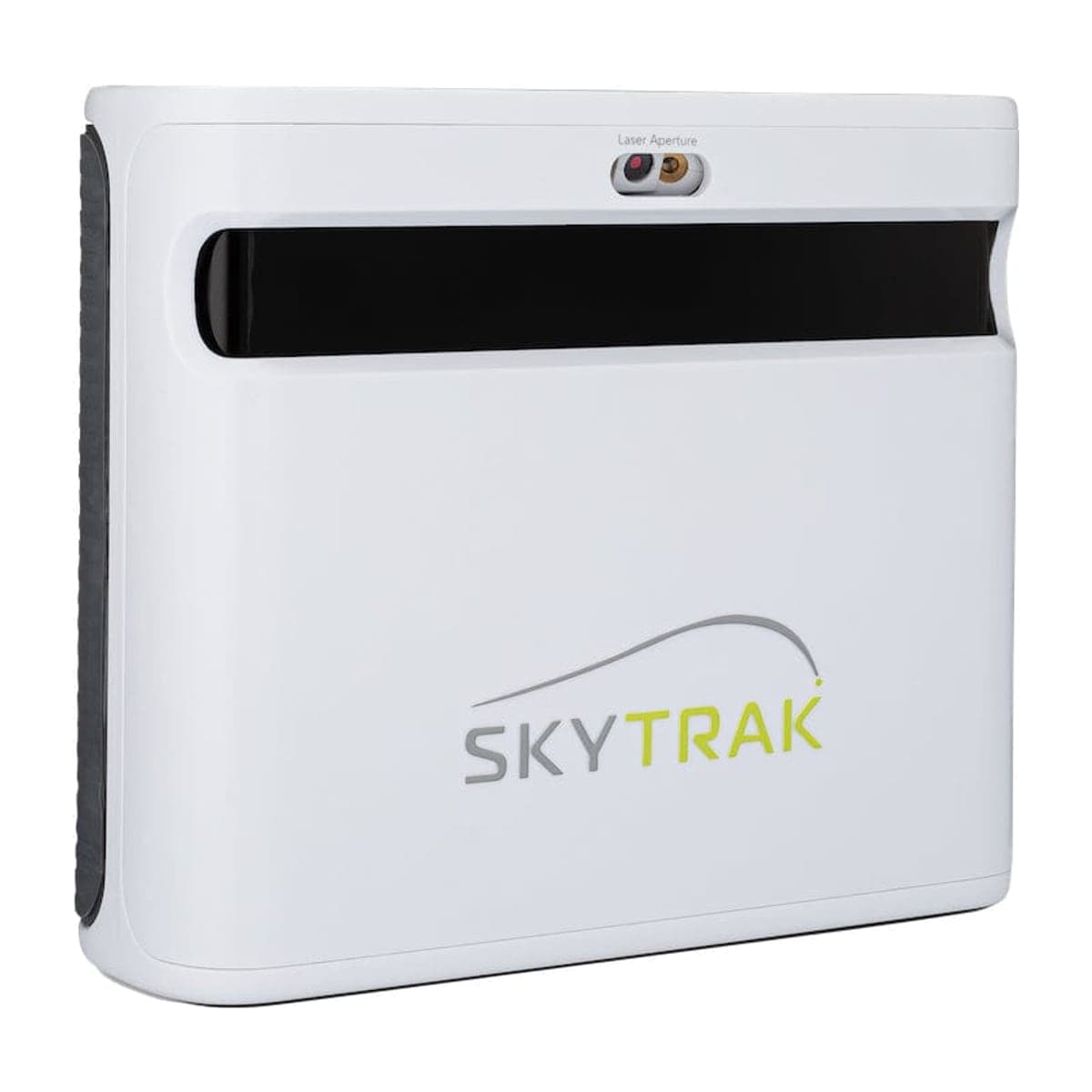 Mid-tierSkyTrakSkyTrak+
Previous generation, on closeout while stock lasts. The current ST MAX adds a hitting zone about four times the area and a longer support runway; the closeout's whole case is the money it saves.
 Mid-tier
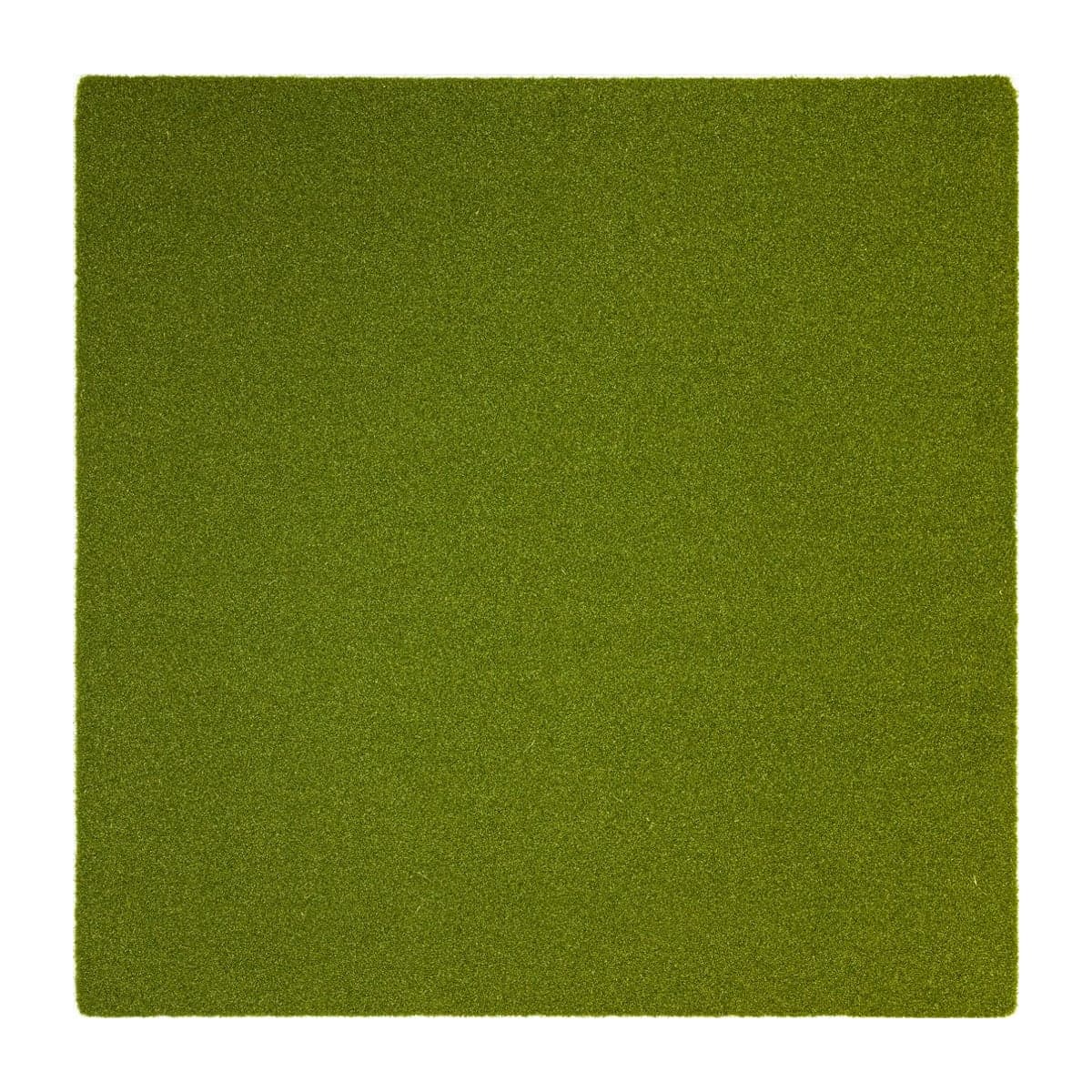
Real-feel turf at $599 that won't beat up your wrists across casual rounds — the realistic minimum for regular play, without paying for a full-stance premium surface.
Buy from
- Buy at Amazon $599Free ship, Country Club Elite Mat (5×5)
- Buy at Indoor Golf Outlet $599Free ship, Country Club Elite Mat (5×5)
- Buy at Rain or Shine Golf $599Free ship, Country Club Elite Mat (5×5)
Prices confirmed Nov 12, 2026 · we check every retailer daily
Alternatives we considered
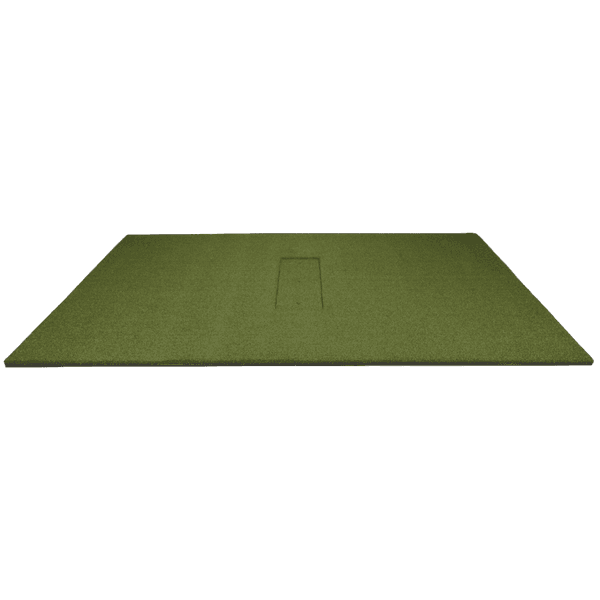 Mid-tierCarl's PlaceHotShot Hitting Mat System
Modular mat with replaceable HotShot strip inserts. Swap just the worn strip, not the whole mat. Three turf tiers.
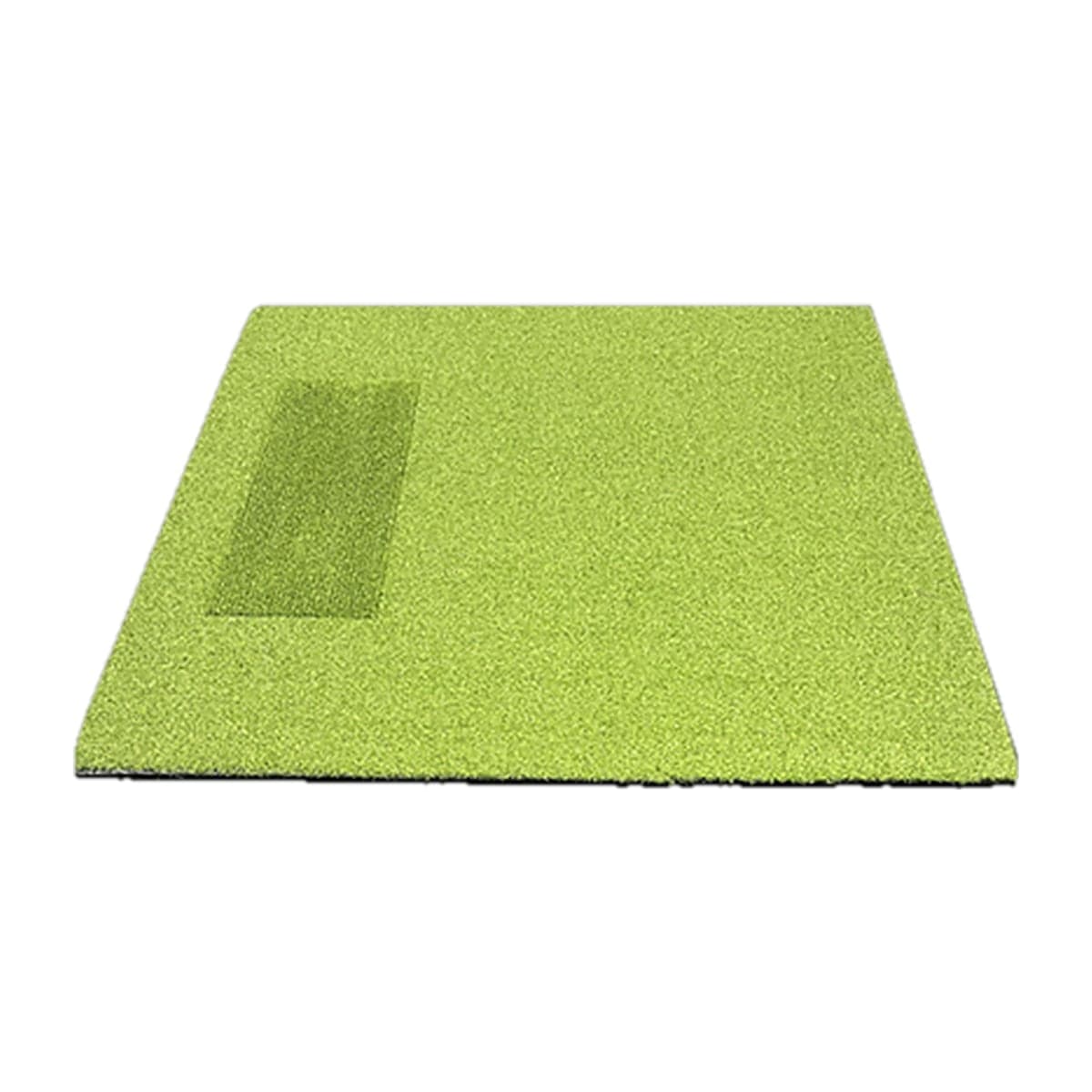 Mid-tierBig MossPure Flight MAX Hitting Mat (5×5)
5×5 stance mat with Big Moss's Pure Flight nylon strip built in. No tee holes.
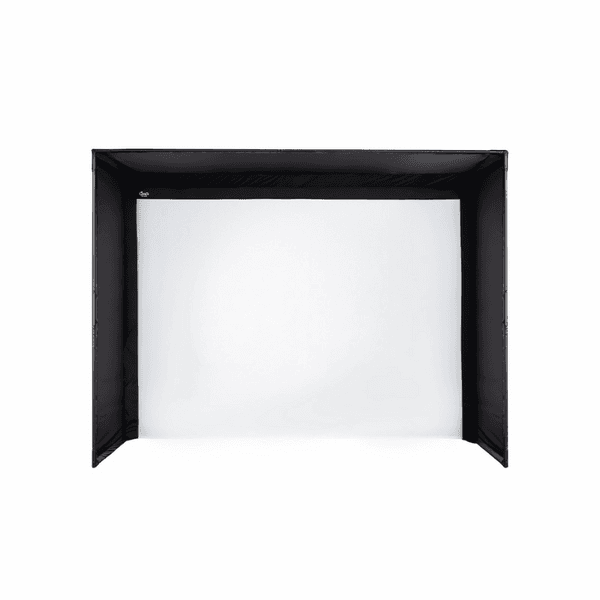
Pro-grade impact screen sized to your room, with Carl's BlackStop side walls and top for light containment. Delivers the 'real enclosure' look casual builders want without overspending.
Buy from
- Buy at Indoor Golf Outlet $1,000Free ship, C-Series DIY Enclosure (8x8)
- Buy at Carl's Place $1,000Free ship, C-Series DIY Enclosure (8x8)
Prices confirmed Nov 12, 2026 · we check every retailer daily
Alternatives we considered
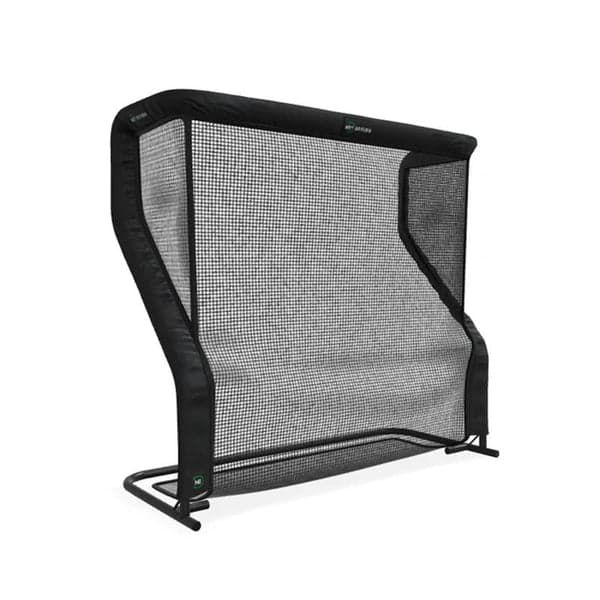 BudgetNet ReturnPro Series V2
Sets up in 5 minutes, folds for storage. Renter-friendly. The portable choice.
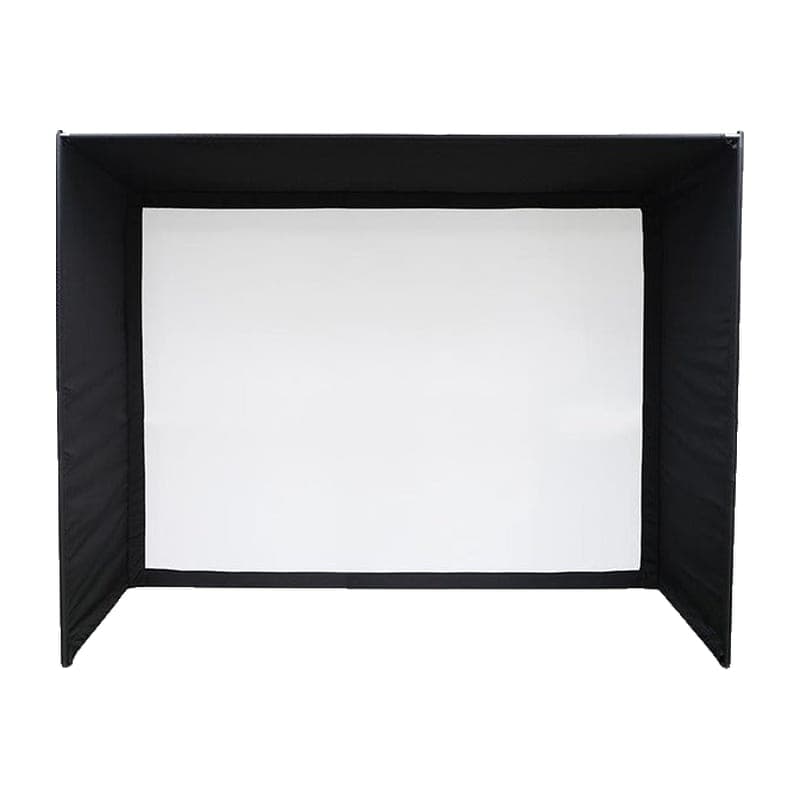 BudgetImpact SportsStandard Enclosure
Complete pole-frame bay with screen, roof, side walls and padding, in six sizes.
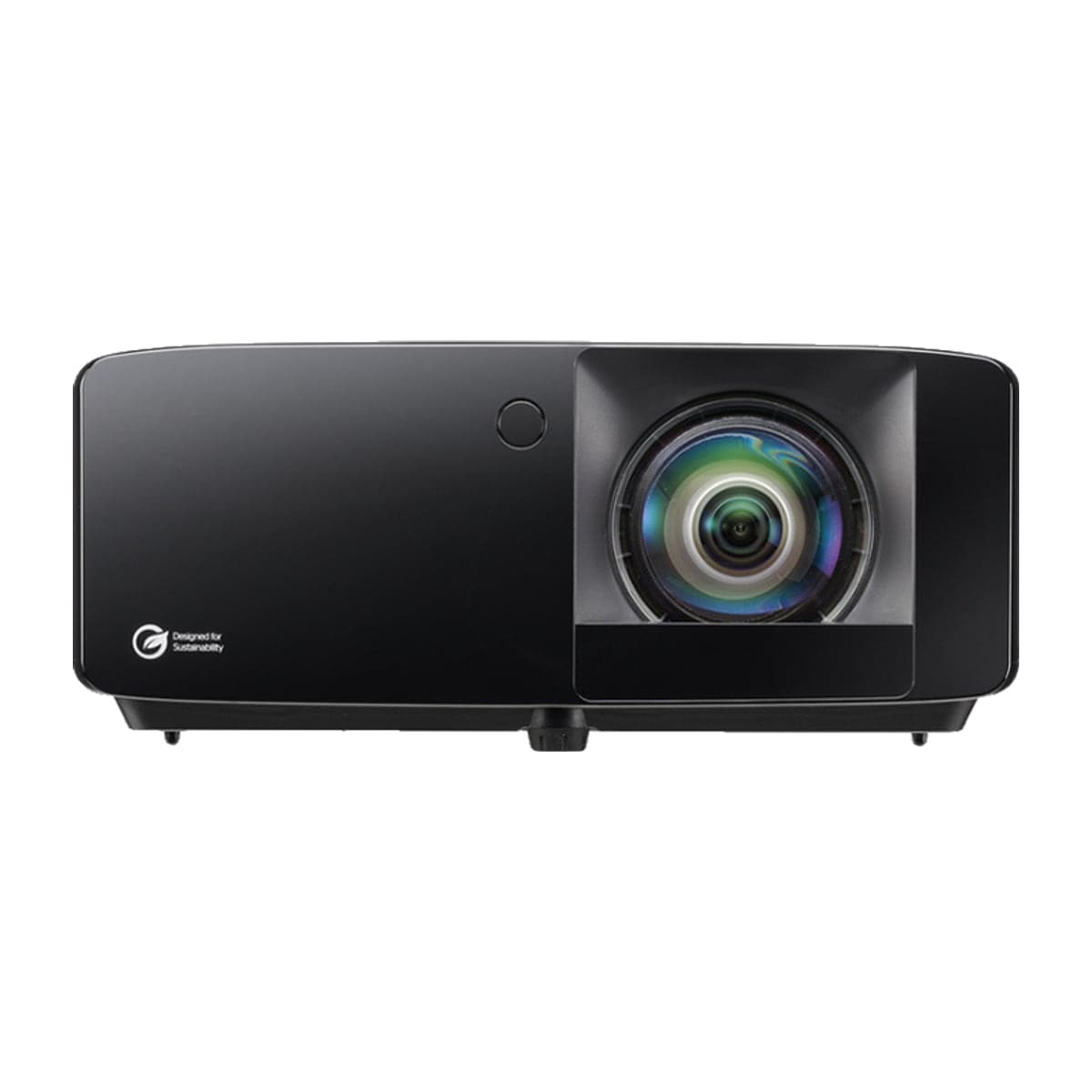
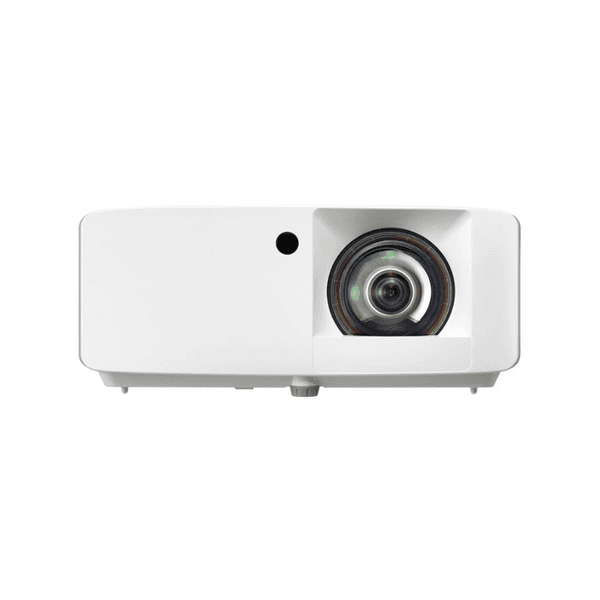
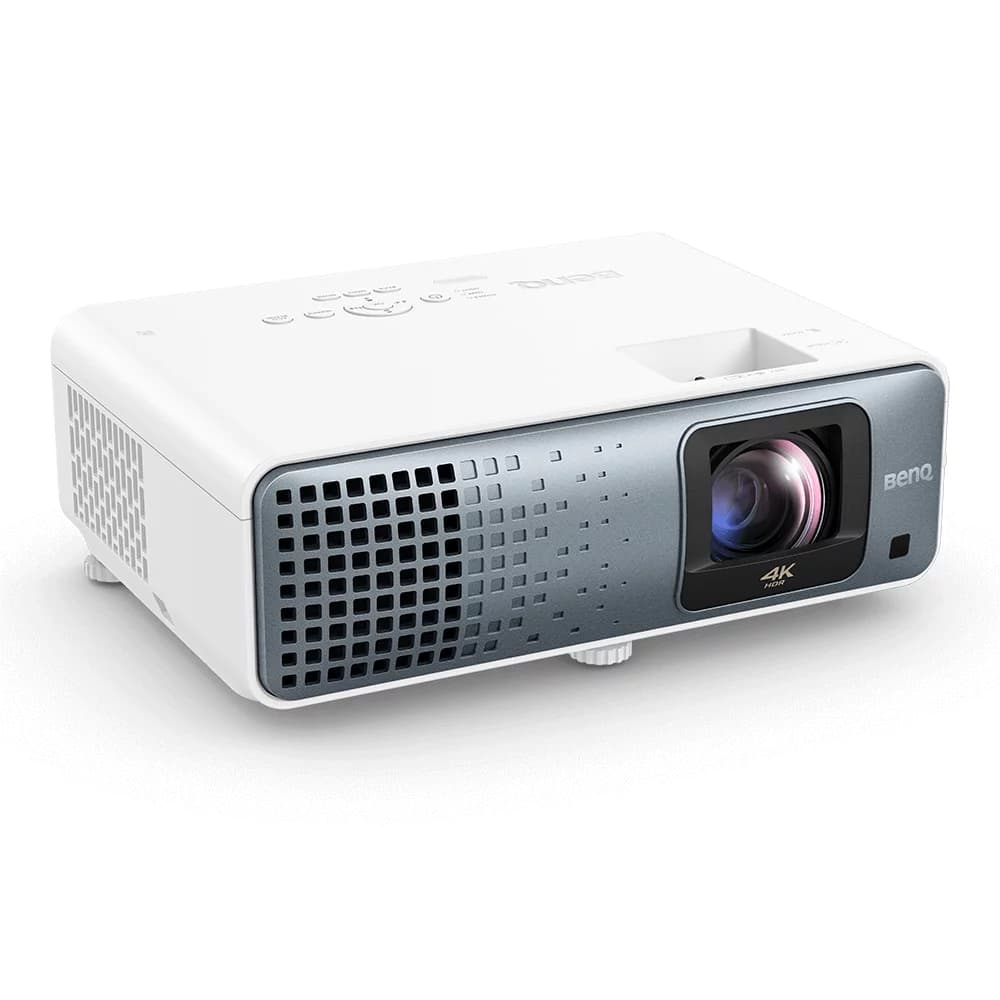
Optoma's current-model 1080p short-throw at $1,299, with 4,200-lumen laser brightness for daytime garage play and HDR support. Optoma's GT2000HDR is the cheaper alternative, about $200 less for the same 0.496 throw, at 3,500 lumens instead of 4,200 and without the Golf Sim picture mode; it suits a garage you can darken.
Buy from
- Buy at Amazon $1,299Free ship, GT2400HDR
- Buy at Indoor Golf Outlet $1,299Free ship, GT2400HDR
- Buy at B&H $1,299Free ship, GT2400HDR
Prices confirmed Nov 12, 2026 · we check every retailer daily
Alternatives we considered

The 2026 Mac mini (M6, 16GB) at $779.99 from Amazon.com runs SkyTrak's macOS app. SkyTrak asks for an Apple M1 or newer, and the M6 is several generations past that, so the app has plenty of headroom on this build's 1080p projector. An M-series iPad you already own (M1 or newer) does the same job. It runs no Windows sim software, so GSPro later means a Windows tower.
Buy from
Prices confirmed Nov 12, 2026 · we check every retailer daily
Alternatives we considered
 Mid-tierSkytechGaming PC (Ryzen 7 5700, RTX 5060)
Ryzen 7 5700 + RTX 5060 + 32GB, sold by Amazon.com. Our standard sim PC: comfortably above SkyTrak, E6 Connect and GSPro minimums at 1080p–1440p.

SkyTrak's native software is genuinely good. The free level that comes with the launch monitor covers range practice; course play starts at Core: Foresight ($299.99/yr), which this build leaves out of its total. GSPro is not an upgrade path on a new SkyTrak: no SkyTrak model is on GSPro's official list, and the free community plugin owners used supports SkyTrak app 5.4–5.8, while SkyTrak now offers only 6.2.
Alternatives we considered
 Mid-tierSkyTrakSkyTrak Core Membership
SkyTrak's entry course-play membership, billed yearly. Choose the Foresight or the Trackman course pack.
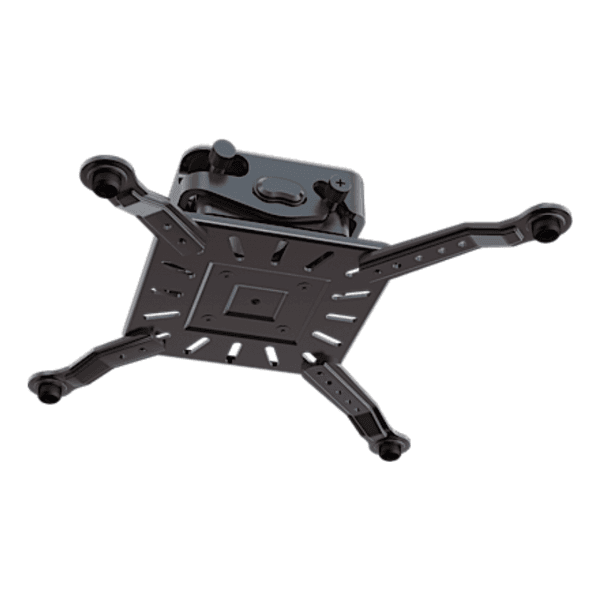
Standard adjustable ceiling mount. Stable mounting prevents image drift across sessions.
Buy from
- Buy at Amazon $20Free ship, Projector Ceiling Mount
- Buy at Indoor Golf Outlet $260Free ship, Projector Ceiling Mount
- Buy at Shop Indoor Golf $120Free ship, Projector Ceiling Mount
- Buy at Rain or Shine Golf $80Free ship, Projector Ceiling Mount
Prices confirmed Nov 12, 2026 · we check every retailer daily
HDMI cables, surge-protected power strip, basic cable management.
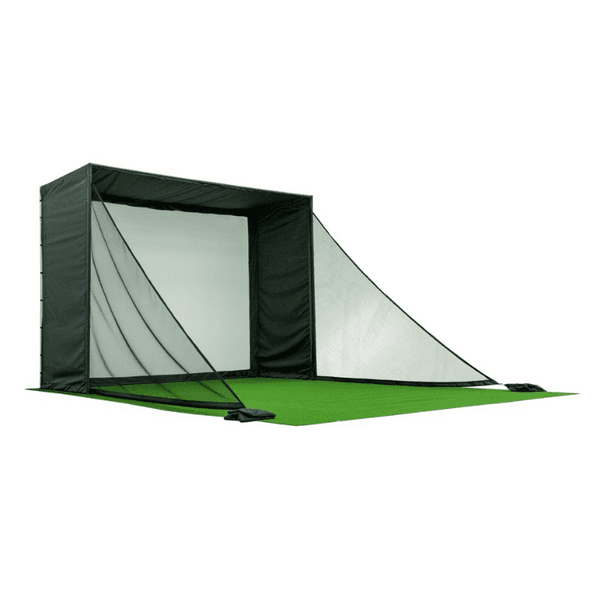
Recommended if your space is under 12 ft wide. Catches the inevitable mishits — worth the modest cost for peace of mind.
Buy from
- Buy at PlayBetter $140Free ship, Side Netting
- Buy at Indoor Golf Outlet $120Free ship, Side Netting
- Buy at Carl's Place $140Free ship, Side Netting
Prices confirmed Nov 12, 2026 · we check every retailer daily
If you're cross-shopping
Side-by-side comparisons for the The Garage Build — $6,000 Recreational components.
Stay in the loop
Keep an eye on this build.
We email when meaningful pricing changes hit any component in this build, or when a stronger alternative shows up. One short message, maybe twice a month.
Want this build tailored?
Adjust for your room and your budget.
The configurator takes the same logic that produced this build and applies it to your specific dimensions and persona. If your room is tight, expect different picks.