The GCQuad Showroom — $39,000
When the build budget is genuinely uncompromised, the launch monitor is the GCQuad — the industry's accuracy benchmark used by tour pros and serious club fitters. The Uneekor EYE XO2 mounts overhead as a secondary unit for ambidextrous quick play. SIGPRO Commercial enclosure, LG ProBeam laser projector, Skytech King 95 RTX 5070 Ti turnkey PC. Every premium accessory: foam floor tiles, ball tray, branded tees, and a Foresight Course Pass for the GCQuad's own course play. This is the build that asks no questions about cost and delivers no compromises.
Shop this build
Every required part, one button each.
Grouped by retailer at today’s prices. Subtotals use today’s prices, so they can differ a little from the build total, which uses our reference price for each part.
When you buy through links on Northcourse, we may earn a commission at no additional cost to you. Read the full affiliate disclosure
Not in stock at any retailer we track today: King 95 Gaming PC (RTX 5070 Ti). See retailers on each product page.
Build price watch
Not buying yet? We’ll email you when a part of this build drops below its 30-day typical price at a retailer we track, with what the whole build saves. Amazon isn’t one: Amazon’s rules don’t allow price alerts. No newsletter, unsubscribe in one click.
Room requirements
The honest minimums. If your room is smaller, jump to the configurator — it’ll suggest a different build that fits.
Minimum room
Room for a full driver swing up to about 6′4″ (average swing). From 6′5″, your head shadows the image.
Room planner
See this build in your sim room.
The planner opens with this room, the build's launch monitor and projector, and a 6′4″ right-hander with an average swing, all drawn to scale. Change any of them to match yours.
Who this is for
- — Buyers building a permanent showroom as part of a home renovation
- — Owners who'd rather buy the right thing once and never upgrade
- — Players who want tour-grade accuracy at home for serious club fitting
- — Hosts who treat the room as both private practice studio and showcase
- — A room about 16 × 20 ft with a 10.5 ft ceiling: room for golfers up to 7 ft with an average swing
Cost breakdown
Required items first, then optional add-ons. Subscriptions and consumables shown separately.
When you buy through links on Northcourse, we may earn a commission at no additional cost to you. Read the full affiliate disclosure
| Category | Product | Price |
|---|---|---|
| Launch monitor | $15,999 | |
| Launch monitor | $10,999 | |
| Hitting mat | $1,370 | |
| Enclosure | $3,550 | |
| Projector | $3,799 | |
| Computer | $2,400 | |
| Software | $250 | |
| Software | $0 | |
| Software | $0 | |
| Software | $0 | |
| Accessory | $120 | |
| Accessory | $150 | |
| Accessory | $250 | |
| Accessory | $40 | |
| Accessory | $15 | |
| Accessory | $250 | |
| Total (required items) | $39,192 | |
| Annual ongoing (subscriptions) | +$1,243/yr | |
When you buy through links on Northcourse, we may earn a commission at no additional cost to you. Read the full affiliate disclosure
Two minutes, five questions, one tailored build.
Build your simulatorField notes
Who this build is for
This is the build for the owner who's decided the room is part of the home's identity rather than an amenity inside it. Typically a 50+ buyer building a new home or a major addition where the simulator studio is on the architectural plans from day one, with finishes coordinated against the rest of the house. The contractor is briefed, the AV integrator is already wiring three other rooms, and the launch monitor decision is being made against a ten-to-fifteen-year ownership horizon.
At this tier the buyer often has access to a club fitter or a coach who uses GCQuad data, and there's a real preference for using the same unit at home. The room may host lessons, host visitors, occasionally host charity events. Money-no-object doesn't mean money-thrown-around — it means the choice at every component category goes to the option that earns its place over the long run, not the option that costs the most.
What this build trades, plainly
The GCQuad anchors this build because the build can carry it. Four-camera quadrascopic measurement, the unit used in tour facilities and serious club fitting bays, Foresight's own Premier software (the successor to FSX Play) with the cleanest data export in the niche. The honest framing on GCQuad versus GC3 matters here: independent community testing — MyGolfSpy lab work, threads on GolfWRX and the Foresight subreddit, comparison videos from Crossfield — generally finds the GCQuad delivers measurably tighter dispersion repeatability than the GC3 across long sessions, particularly with wedges and partial shots where face variance matters most. For a single-digit handicap doing serious data work, that delta is real. For a typical premium buyer playing virtual rounds and tracking long-game tendencies, the GC3 delivers the same practical experience for about $12,000 less at today's prices — the GC3 at $3,999, Foresight's sale price since October 13, 2026, against the GCQuad's $15,999 — and about $9,000 less with both at list.
If the buyer is honest about which case applies, the GCQuad earns its place when the build is a long-term club fitting and lesson room, or when the owner specifically wants the industry benchmark at home. Otherwise the $12,500 performance build with the GC3 is the smarter spend. There's no shame in the lower tier being the right tier.
The Uneekor EYE XO2 mounts overhead as the secondary unit. The pairing logic is the same as the $28K Uneekor showroom: GCQuad for fittings, lessons, and serious sessions; EYE XO2 for casual rounds, family use, and the moments when nobody wants a five-minute setup before they hit a ball. Two launch monitors at this tier is standard.
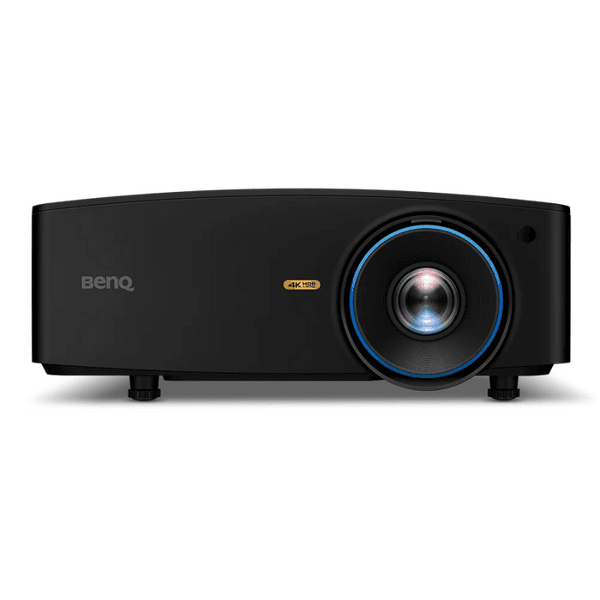
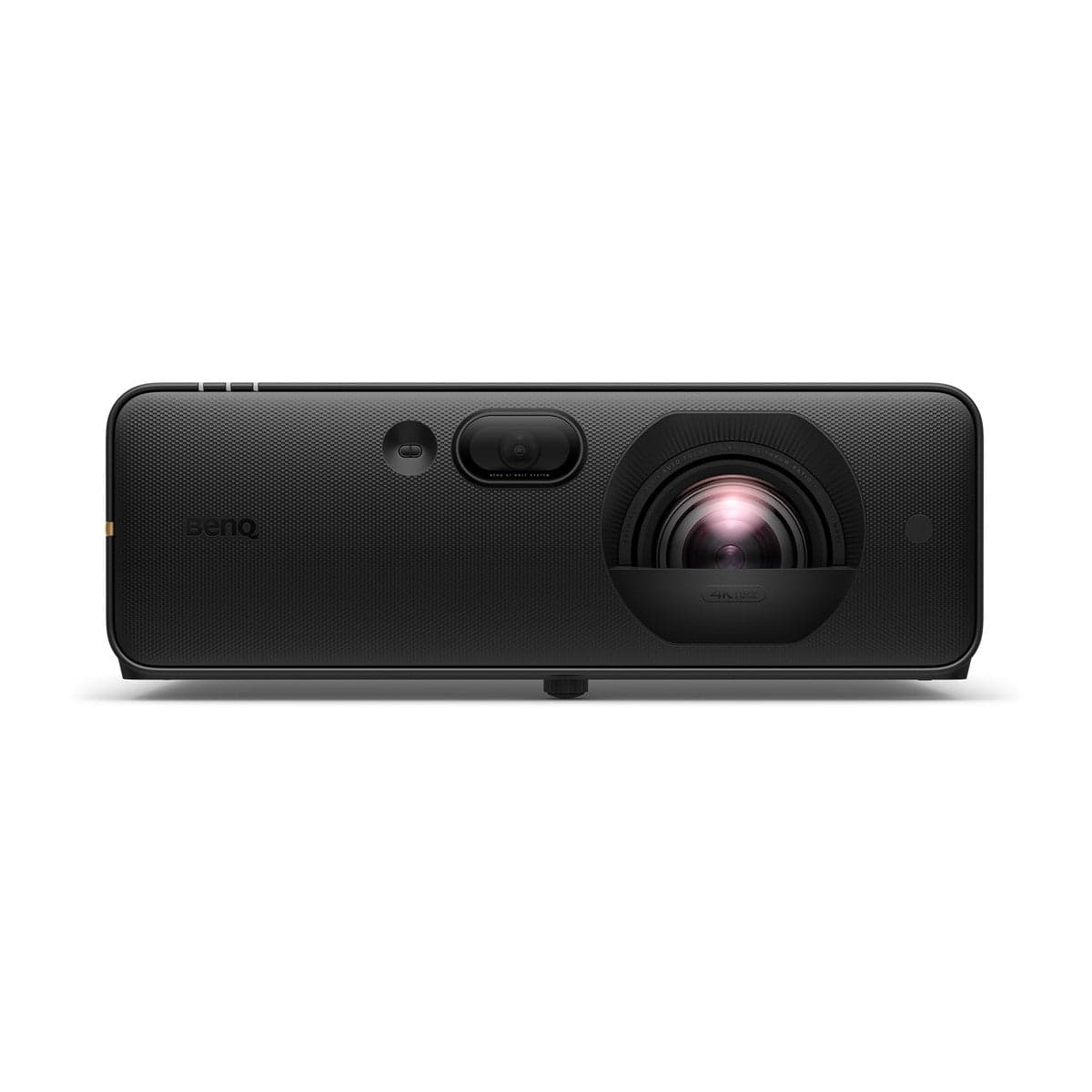
The LG ProBeam BU53RG replaces the BenQ LK936ST that anchors the lower showroom builds. Both are 4K laser projectors, and they sit close on brightness — 5,000 ANSI on the LG against 5,100 on the BenQ. Both have horizontal and vertical lens shift, so either lets an installer align the image without keystone correction, which always costs 4K detail; the BenQ actually has more range (V ±60% / H ±23% against the LG's V ±50% / H ±20%). The LG's laser is rated up to 15,000 hours against the BenQ's 20,000, and its 0.94–1.14 zoom (0.94–1.107 by LG's own throw tables) throws from farther back than the BenQ's 0.81–0.89. Worth stating plainly, since the tier invites the assumption otherwise: at $3,799 against $4,899 the ProBeam is the cheaper of the two, and the LK936ST is closeout stock with no announced successor. That is the case for the LG here — price and availability, not a feature the BenQ lacks. If you can still buy an LK936ST and want the extra shift range, it is a fine choice in this room too, and it remains the projector in the other showroom builds.
Aesthetic and install considerations
A studio at this level, done well, hides everything that isn't intentional. Cable runs are inside walls. The PC, network gear, AV receiver, and any subscription dongles live in a finished service closet behind the room. The launch monitors are mounted on structural blocking located before drywall closed up. The projector mount matches the ceiling finish rather than contrasting with it. There are no visible surface-mounted plates anywhere in the room.
Acoustic treatment at this tier is designed by someone who treats acoustics for a living, not specified from a forum post. Panels behind the screen, on the side walls, on the ceiling between the projector and the hitting position, and structural isolation under the screen mounting hardware so impact transmission doesn't carry through joists. Integrated in-ceiling audio is wired to a small AV receiver in the service closet — not a soundbar, not the projector speaker. Smart lighting is on the home's existing Lutron or Crestron system. HVAC is sized for the PC's heat dump under sustained load, with a dedicated supply and return.
Lamp projector replacement at 3,000 to 10,000 hours is fine for entry builds. Showroom builds run laser sources rated 15,000 to 20,000 hours with no maintenance, and the math works out: at five hours of weekly use, the projector outlasts the warranty on the rest of the room.
What's not here, and why
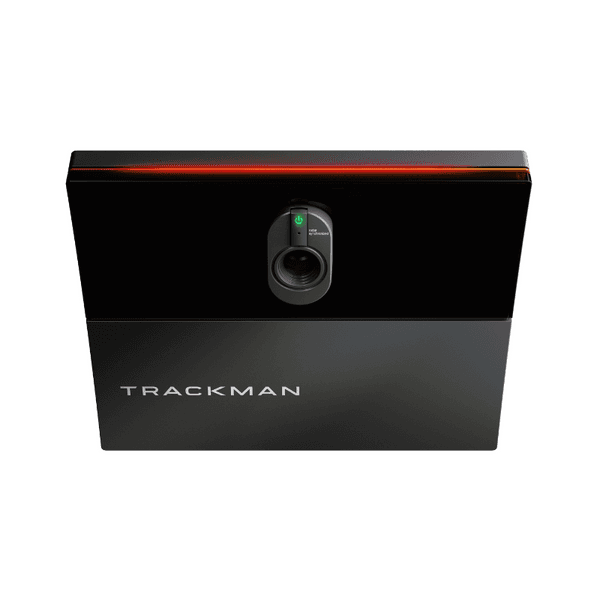
Trackman 4 at $25K is the brand-name omission. It's the industry's marquee radar unit, and at this build's price tier the question of whether it belongs is fair. The honest answer is that radar measurement indoors tracks fewer parameters as cleanly as the GCQuad's photometric system does, and most home installs don't have the room depth Trackman wants for full ball-flight observation. For a commercial range, Trackman is the right answer. For a home showroom at this level, the GCQuad reads better and measures more.
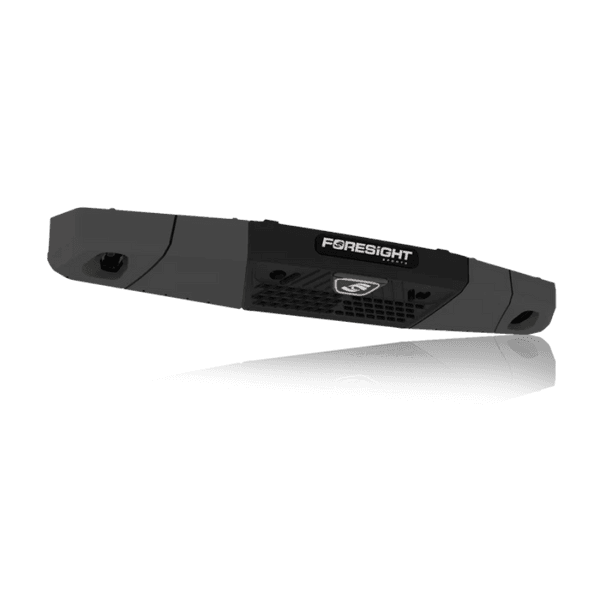
The Foresight Falcon is the other thoughtful omission. As a single overhead unit it's excellent and some pros prefer it, but the GCQuad plus EYE XO2 pairing here covers the floor-unit and overhead cases in one configuration. A Falcon-only build at this budget would carry less measurement coverage than the dual-LM approach.
If you're weighing this against another persona's build at this budget, the showroom persona page walks through where premium buyers actually land, and the configurator preset for showroom will land in roughly this neighborhood when the brief calls for it.
Why these components
Each pick has a reason. Here’s ours.
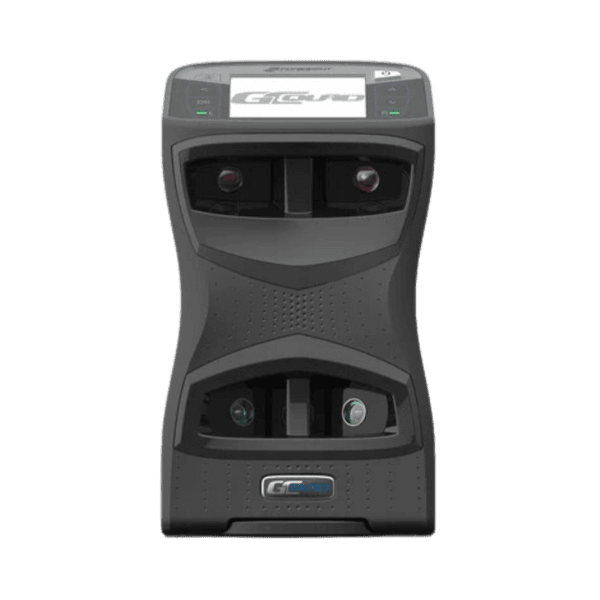
The industry's accuracy benchmark — four-camera quadrascopic system used in tour facilities. When the build is uncompromised, this is the launch monitor.
Buy from
- Buy at Amazon $14,895Free ship, GCQuad
- Buy at PlayBetter $15,999Free ship, GCQuad
- Buy at Indoor Golf Outlet $15,999Free ship, GCQuad
- Buy at Carl's Place $15,999Free ship, GCQuad
- Buy at Rain or Shine Golf $15,999Free ship, GCQuad
Prices confirmed Nov 12, 2026 · we check every retailer daily
Alternatives we considered
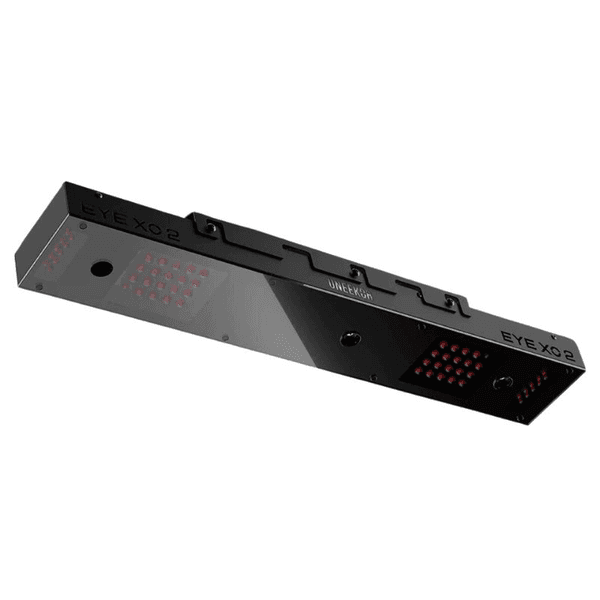
Ceiling-mounted secondary launch monitor for ambidextrous quick play. Common in premium permanent installs — the GCQuad handles fittings, the Uneekor handles casual rounds and family use.
Buy from
- Buy at PlayBetter
$11,000$7,999Free ship, EYE XO2 - Buy at Indoor Golf Outlet
$10,999$7,999Free ship, EYE XO2 - Buy at Carl's Place
$10,999$7,999Free ship, EYE XO2 - Buy at Shop Indoor Golf $7,999Free ship, EYE XO2
Prices confirmed Nov 12, 2026 · we check every retailer daily
Alternatives we considered
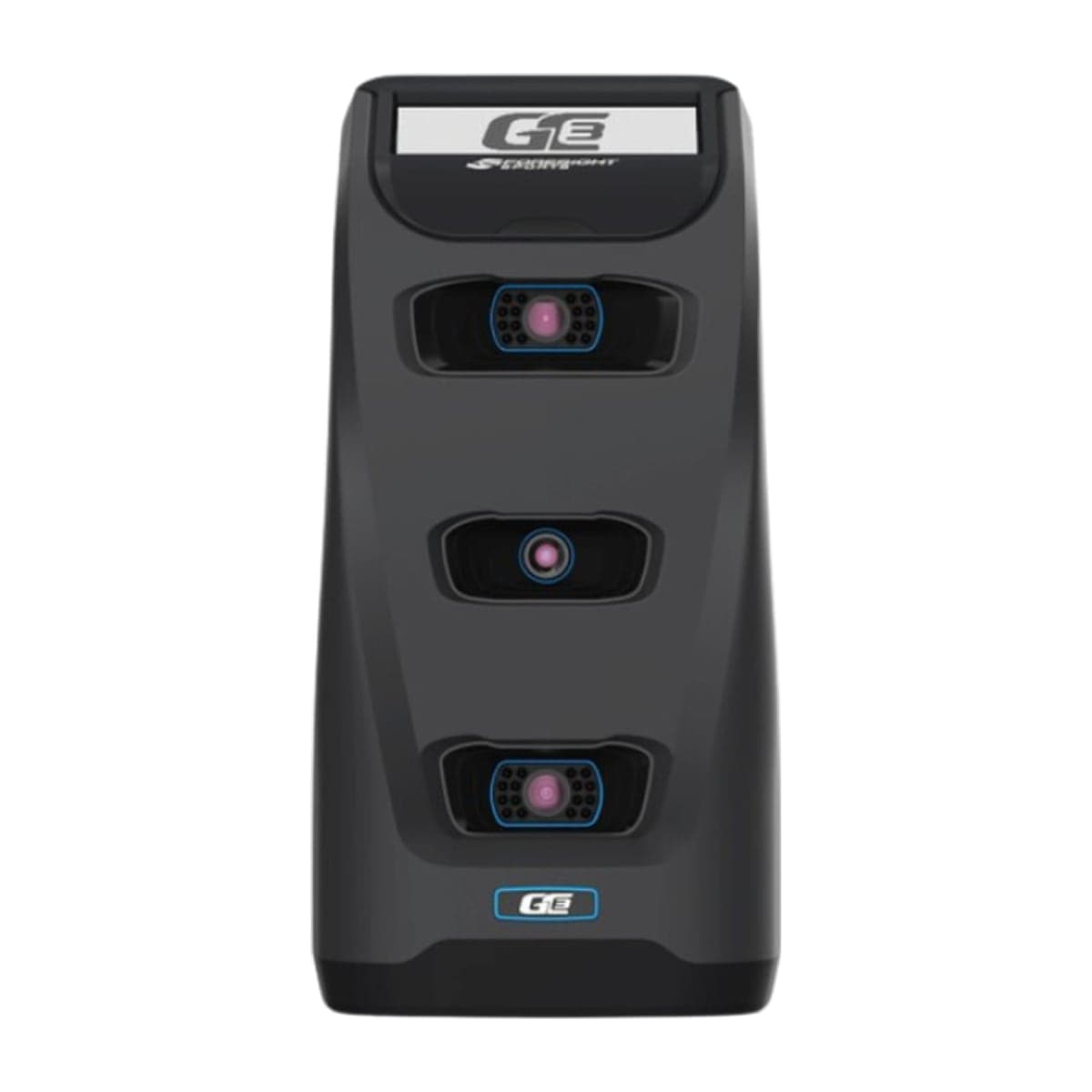 PremiumForesight SportsGC3
Photometric accuracy used in club fitting and tour facilities. Course play has run on a Foresight+ membership since September 2026, a yearly cost on top of the hardware.
- Buy at PlayBetter
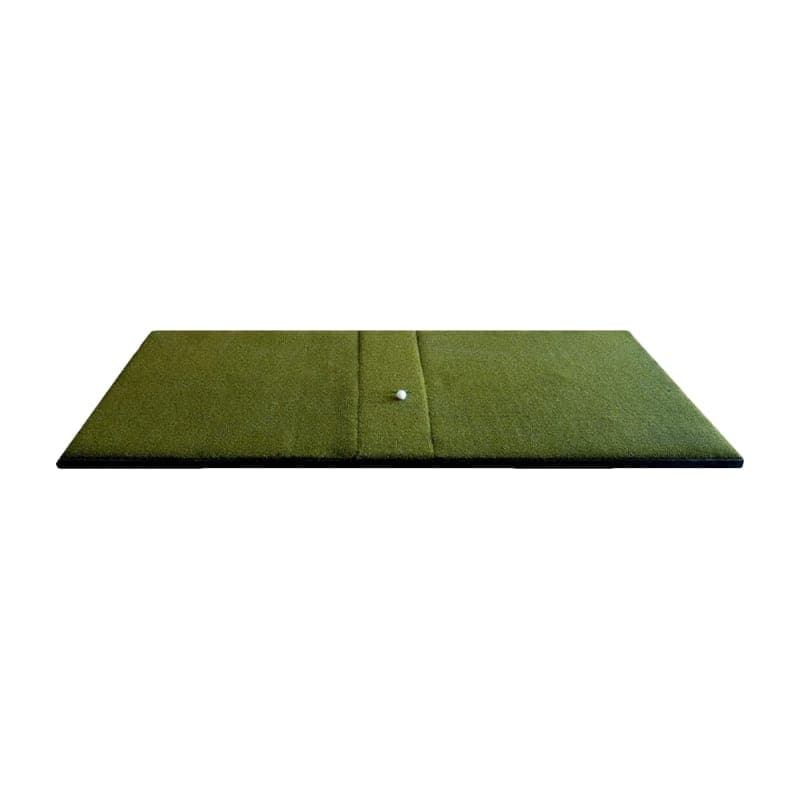
Shop Indoor Golf's SIGPRO Super Softy 4×9 at $1,369.99, sold by Indoor Golf Outlet and Shop Indoor Golf's Amazon store: a 12 × 48 in strip that takes a real tee with a stance area on each side, on an interlocking rubber-tile base Shop Indoor Golf says is hard to move once set up. Both-handed players share one tee without repositioning, and at nine feet it runs across this 16 ft bay with room to spare. This build used to specify Fiberbuilt's 4×10 center-hit, the same layout in Fiberbuilt's Pure Impact Turf; as of November 2026 it is sold out at every retailer we track.
Buy from
- Buy at Amazon $1,370Free ship, SIGPRO Super Softy (4'×9')
- Buy at Indoor Golf Outlet $1,370Free ship, SIGPRO Super Softy (4'×9')
Prices confirmed Nov 12, 2026 · we check every retailer daily
Alternatives we considered
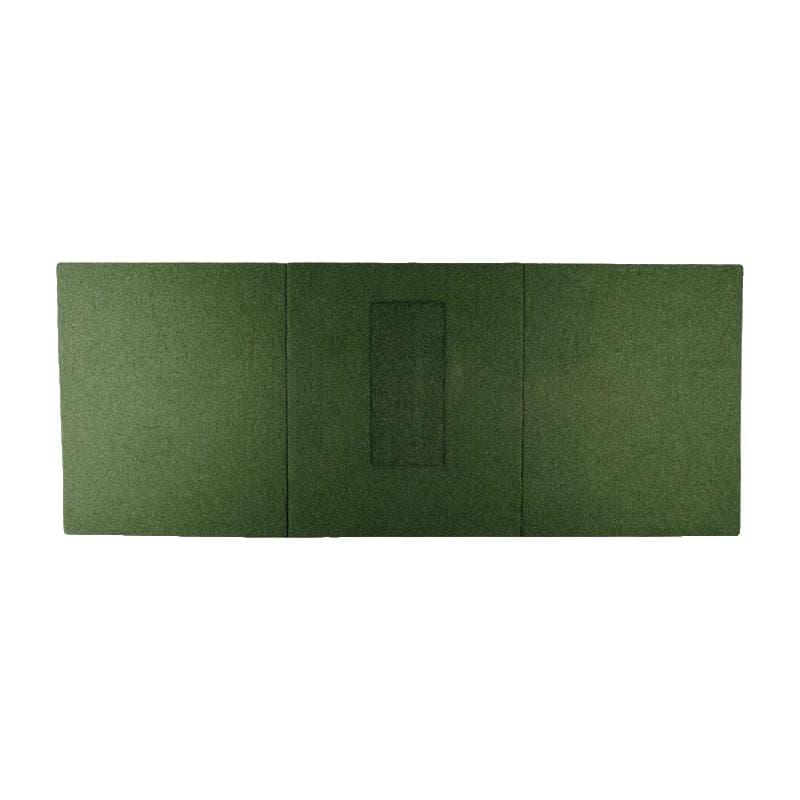 PremiumShop Indoor GolfSIGPRO Softy (4x10)
The original Softy at 4×10: a Teeline strip on soft foam that takes a real tee, in the middle with a stance on each side.
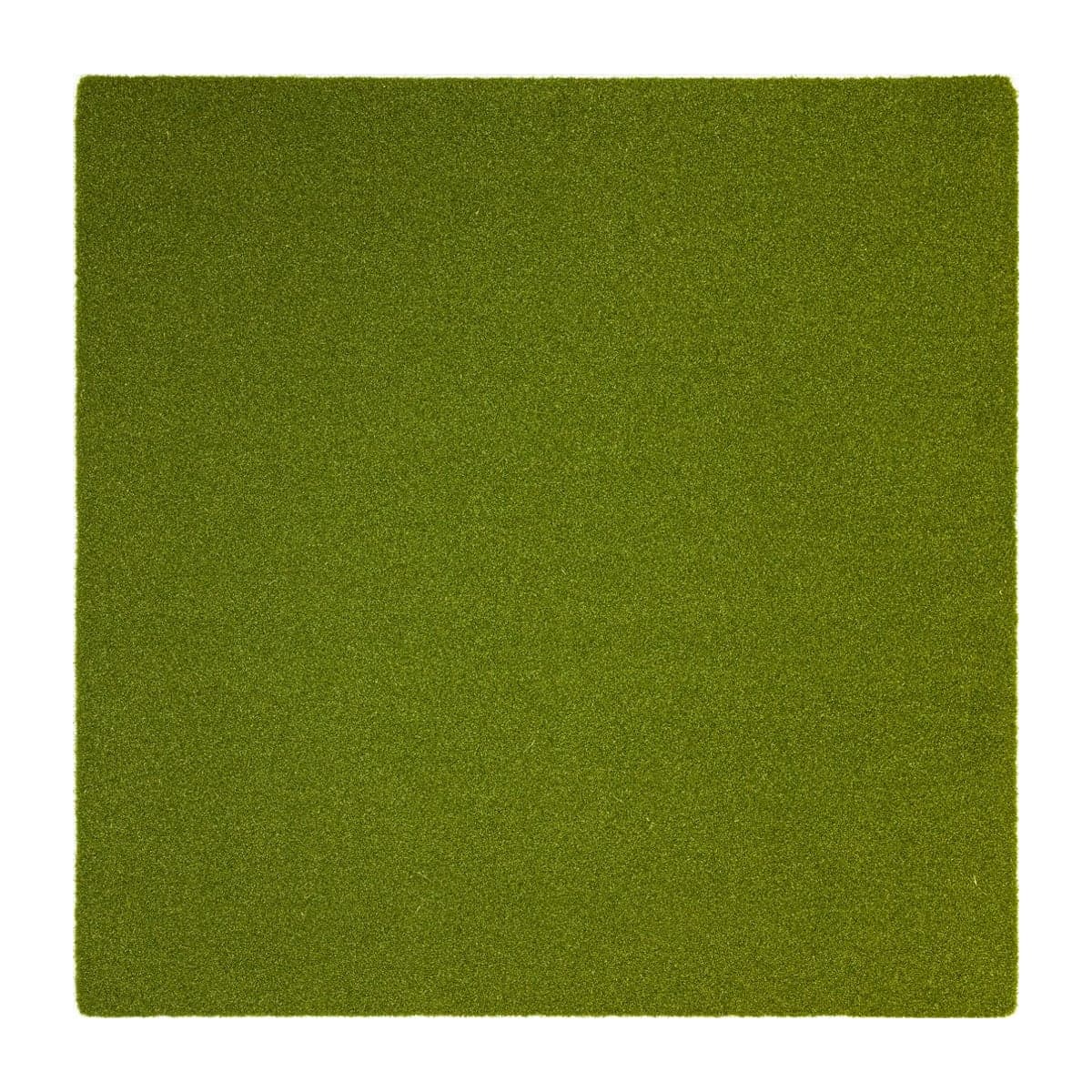 Mid-tierReal Feel Golf MatsCountry Club Elite Mat (5×5)
Full-stance 5×5 with real-feel turf. Used in commercial ranges; the practical mid-tier pick for serious-practice home builds.
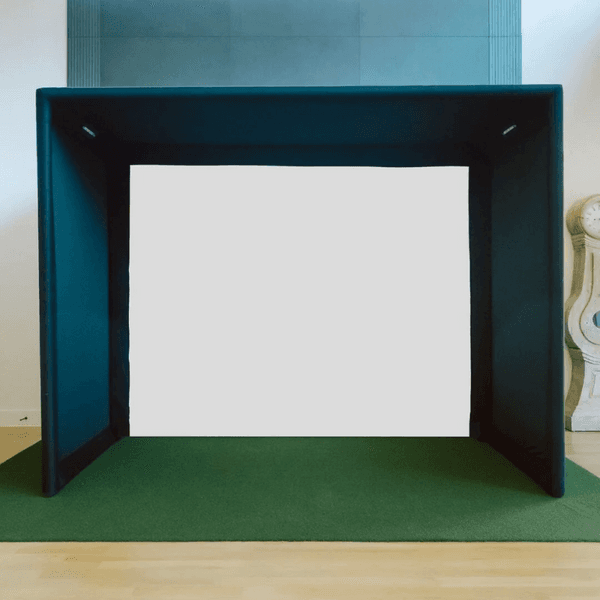
Commercial-grade screen and enclosure on a 2-inch pipe frame. Priced at the 9' x 14' x 5' list of $3,549.99; Shop Indoor Golf runs it 20% off from time to time (the last sale, at $2,839.99, ran October 6 to early November 2026). The frame kit is not included in any configuration, so the pipe is extra and not in this total.
Buy from
- Buy at Indoor Golf Outlet
$2,840$2,662Free ship, SIGPRO Commercial Enclosure (9x14) - Buy at Shop Indoor Golf $2,662Free ship, SIGPRO Commercial Enclosure (9x14)
Prices confirmed Nov 12, 2026 · we check every retailer daily
Alternatives we considered
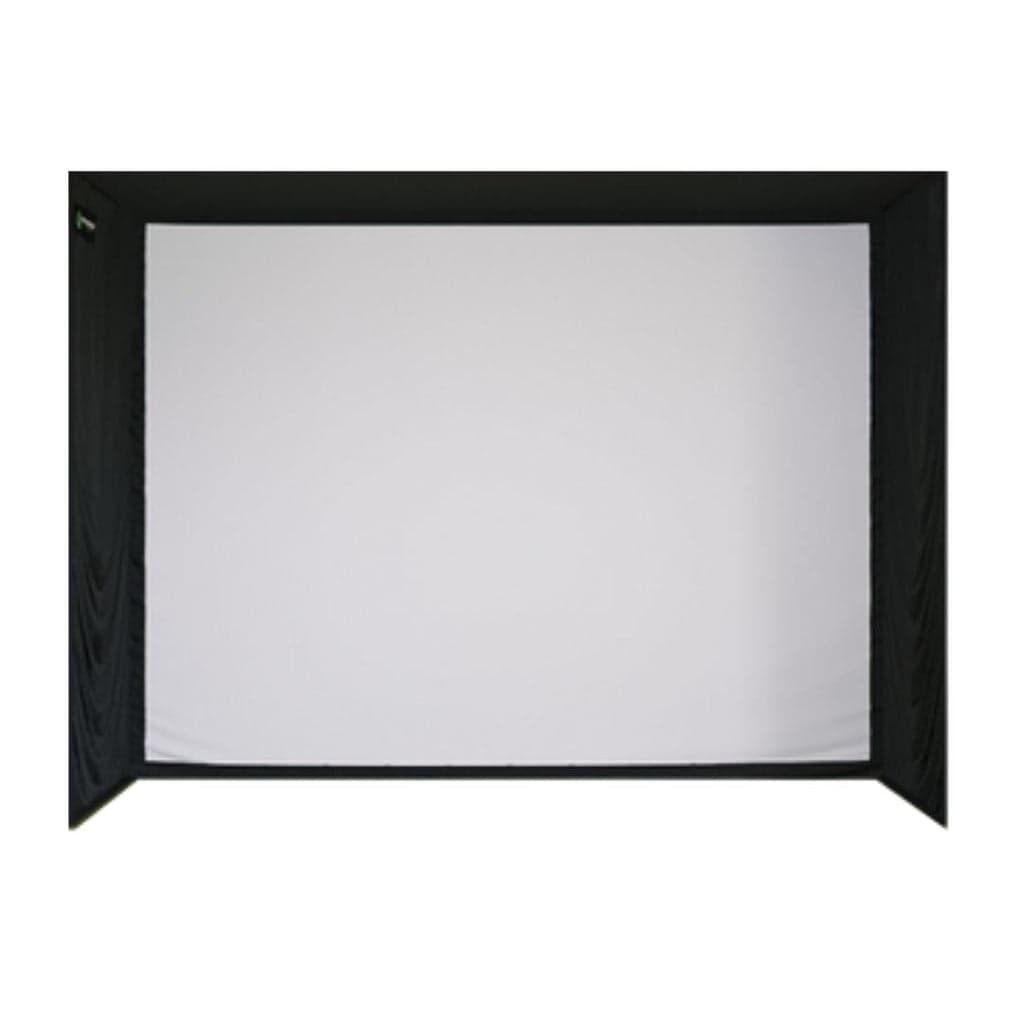 Mid-tierShop Indoor GolfSIG12 Enclosure
12-foot width accommodates serious permanent installs. Generous footprint for both-handed practice.
- Buy at Indoor Golf Outlet
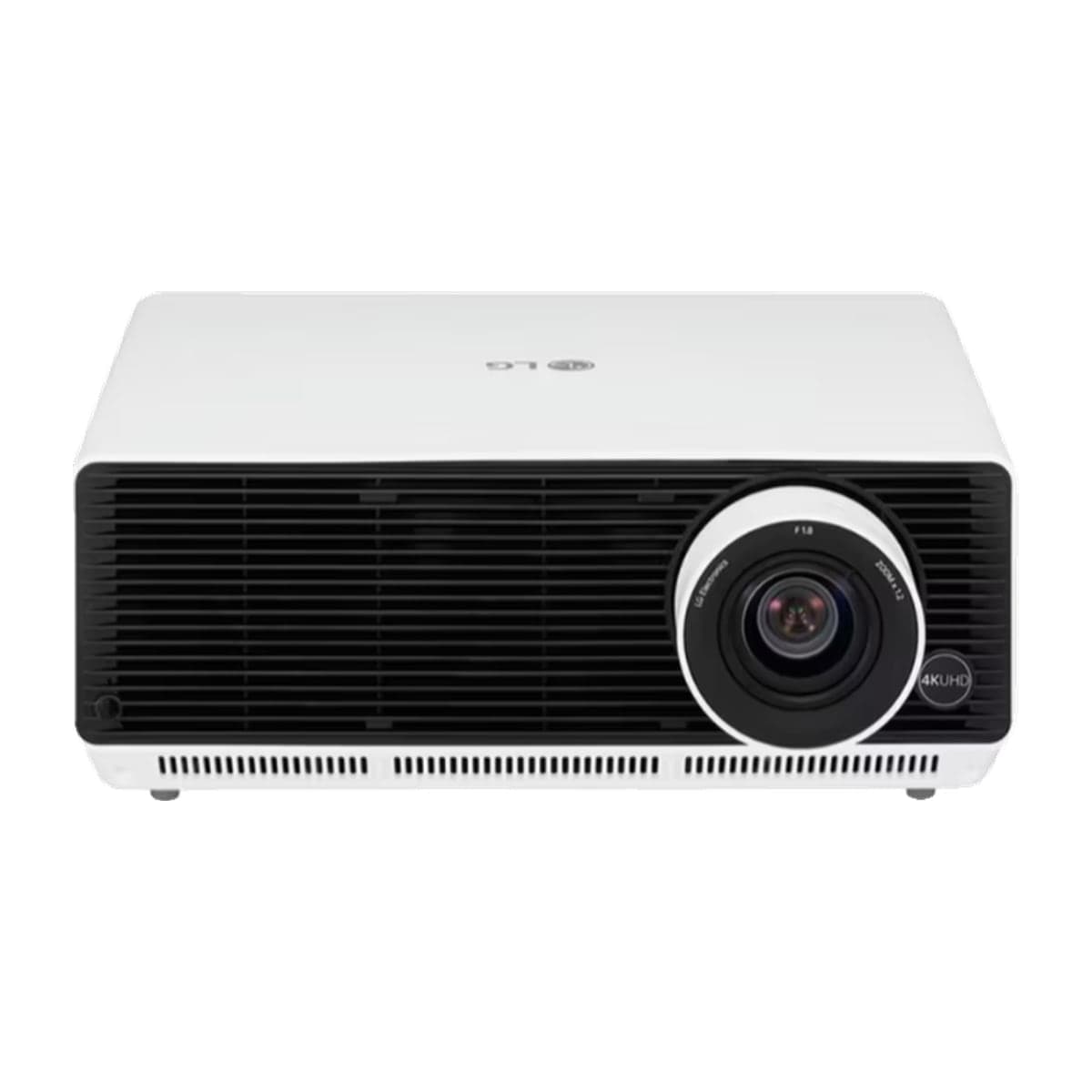
LG ProBeam 4K laser at 5,000 lumens, with a 1.2× zoom and lens shift for a clean ceiling install. The laser is rated up to 15,000 hours, which is still decades at home use. About $1,100 under the BenQ LK936ST, which is closeout stock.
Buy from
- Buy at PlayBetter $3,799Free ship, ProBeam BU53RG
- Buy at Indoor Golf Outlet $3,799Free ship, ProBeam BU53RG
- Buy at Carl's Place $3,799Free ship, ProBeam BU53RG
- Buy at B&H $3,799Out of stock, ProBeam BU53RG
Prices confirmed Nov 12, 2026 · we check every retailer daily
Alternatives we considered
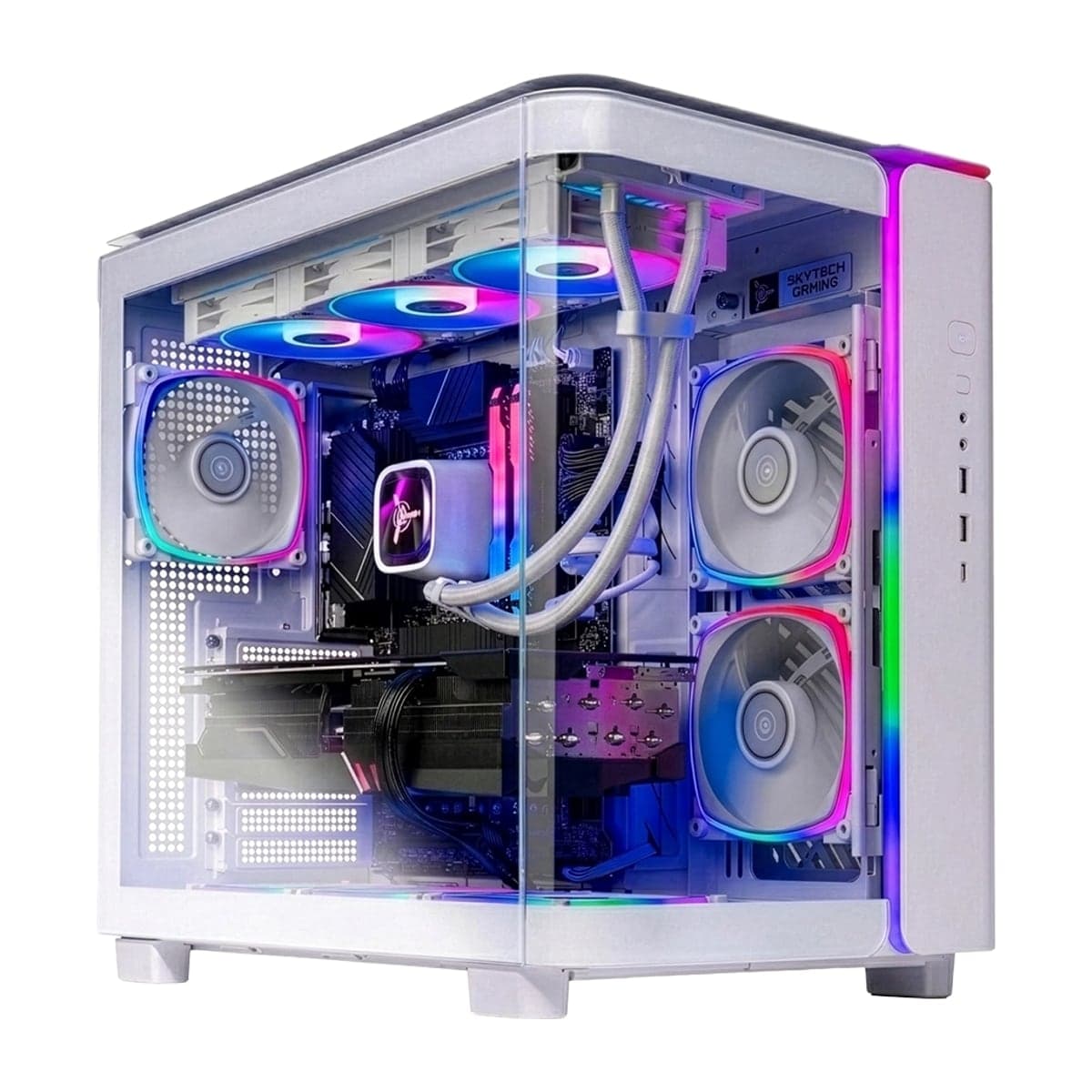
Skytech's King 95 (Core i7-14700F, RTX 5070 Ti 16GB, 32GB DDR5), sold by Amazon.com. Uneekor recommends an RTX 4070 Ti for the EYE XO2's software and this card is a step above it; it also clears Foresight Premier's RTX 5070 medium tier for the GCQuad, and runs GSPro at the ProBeam's native 4K, above GSPro's RTX 3080-or-better recommendation. The strongest GPU in any of our builds.
Buy from
Prices confirmed Nov 11, 2026 · we check every retailer daily

Community-standard practice tools, run on the EYE XO2 through Uneekor Pro. The deepest practice software in the niche.
Buy from
- Buy at Indoor Golf Outlet $250Free ship, GSPro
- Buy at Carl's Place $250Free ship, GSPro
- Buy at Shop Indoor Golf $250Free ship, GSPro
- Buy at Foresight Sports $250Free ship, GSPro
Prices confirmed Nov 12, 2026 · we check every retailer daily

GSPro and E6 Connect both reach the EYE XO2 through Uneekor Pro ($199/yr), so this room runs third-party software on the Uneekor rather than paying Foresight's $599/yr Gold gate. The Foresight unit stays on Foresight's own Premier software.
Polished course visuals for casual rounds and guest play, on the EYE XO2 through Uneekor Pro. E6 on the GCQuad would need Foresight's $2,500 E6 licence.
Buy from
Prices confirmed Nov 12, 2026 · we check every retailer daily

GCQuad's own Premier software on Foresight+ Silver with a Course Pass. Cleanest data export for fittings.
Professionally routed cable management — HDMI 2.1, surge, raceways.
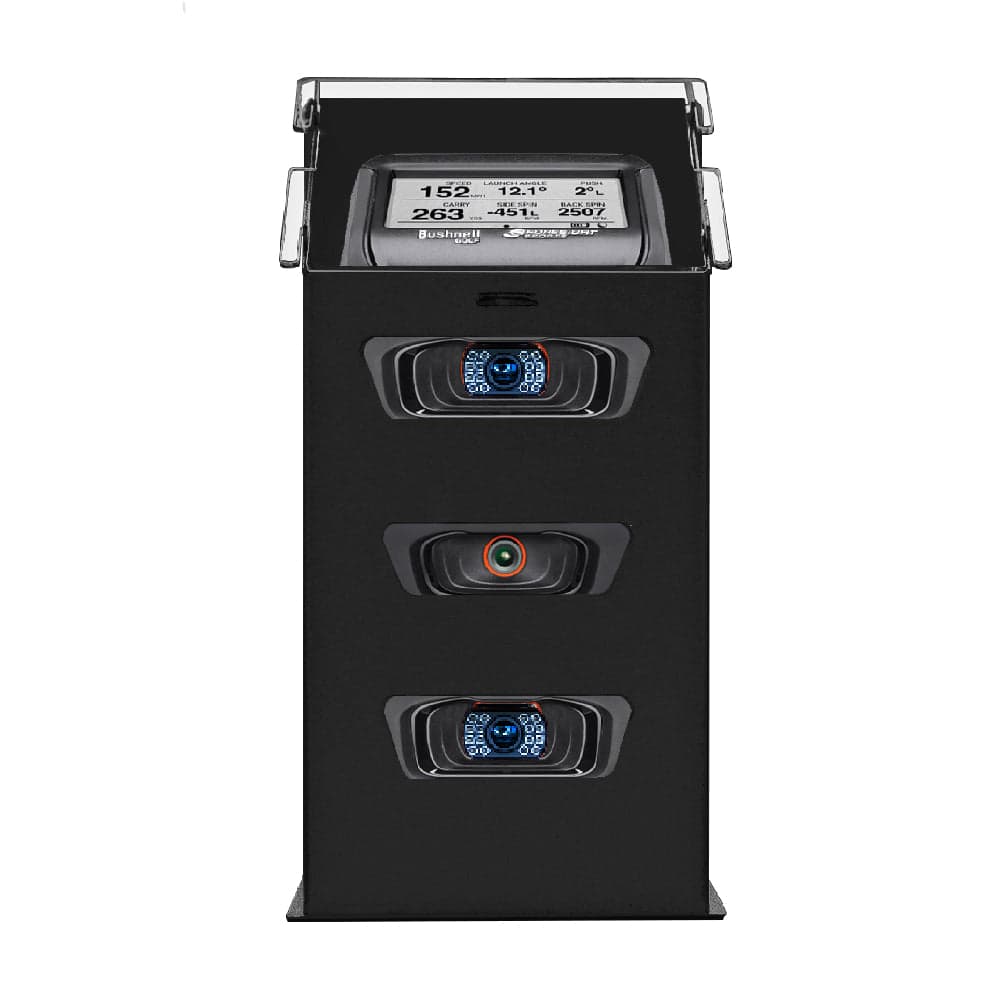
Protects the GCQuad between sessions. Standard for $16K+ launch monitors.
Buy from
- Buy at Amazon $99Free ship, Launch Monitor Protective Case
- Buy at PlayBetter $149Free ship, Launch Monitor Protective Case
- Buy at Shop Indoor Golf $100Free ship, Launch Monitor Protective Case
- Buy at SkyTrak $100Free ship, Launch Monitor Protective Case
Prices confirmed Nov 12, 2026 · we check every retailer daily
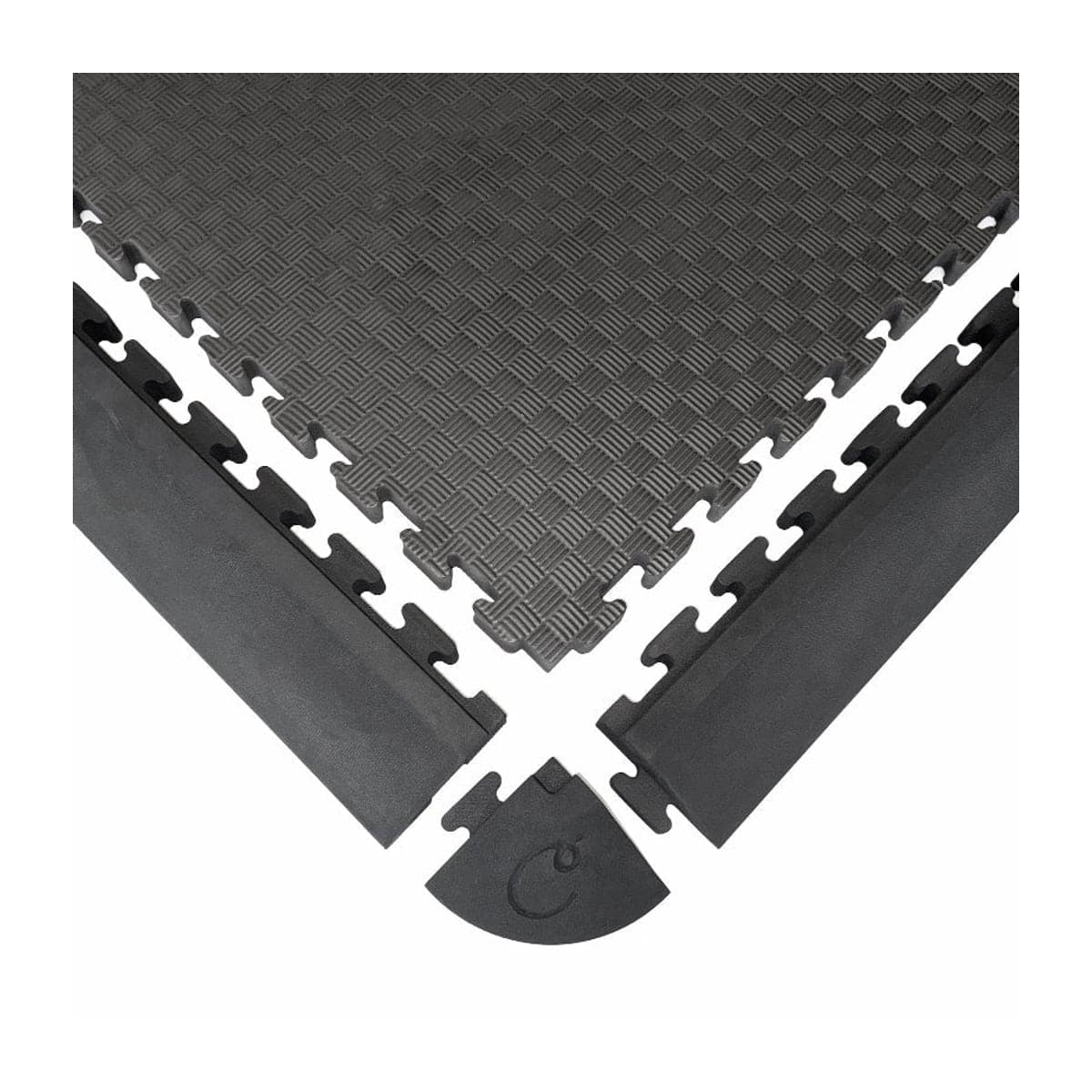
Floor finish element. Comfortable underfoot during long sessions; sound dampening.
Buy from
- Buy at PlayBetter $230Free ship, Interlocking Foam Floor Tiles
- Buy at Indoor Golf Outlet $230Free ship, Interlocking Foam Floor Tiles
- Buy at Carl's Place $230Free ship, Interlocking Foam Floor Tiles
Prices confirmed Nov 12, 2026 · we check every retailer daily
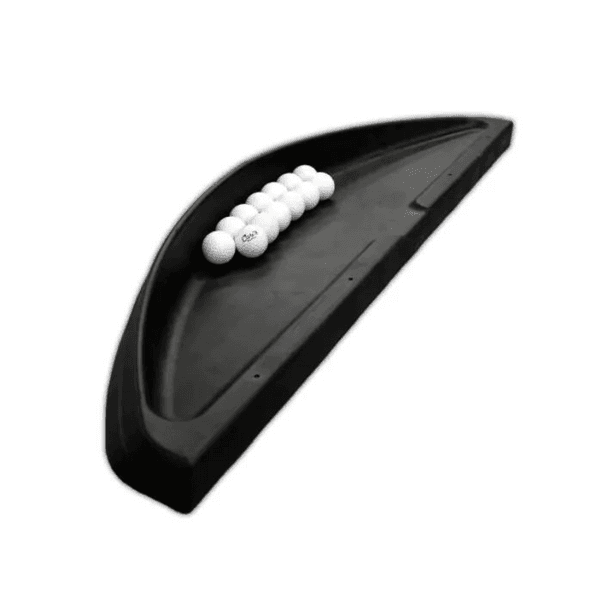
Visual finish; ball organization in a high-use showroom.
Buy from
- Buy at Amazon $100Free ship, Ball Tray
- Buy at PlayBetter $140Free ship, Ball Tray
- Buy at Indoor Golf Outlet $190Free ship, Ball Tray
- Buy at Carl's Place $140Free ship, Ball Tray
- Buy at Shop Indoor Golf $100Free ship, Ball Tray
- Buy at SkyTrak $69Free ship, Ball Tray
Prices confirmed Oct 7, 2026 · we check every retailer daily
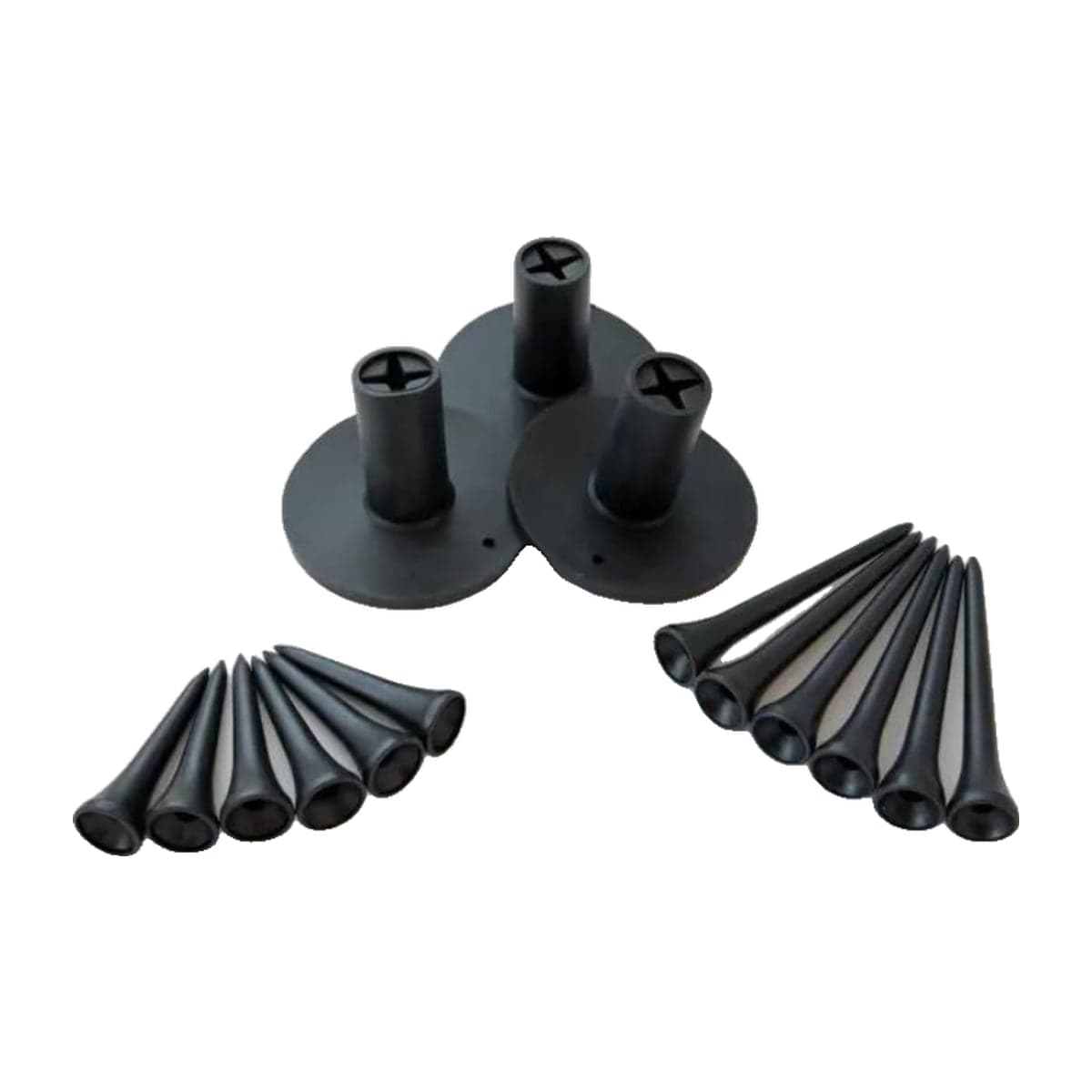
Consumable. Premium showrooms plan for replenishment.
Buy from
- Buy at Amazon $6Free ship, Simulator Tees
- Buy at PlayBetter $13Free ship, Simulator Tees
- Buy at Carl's Place $13Free ship, Simulator Tees
Prices confirmed Nov 12, 2026 · we check every retailer daily
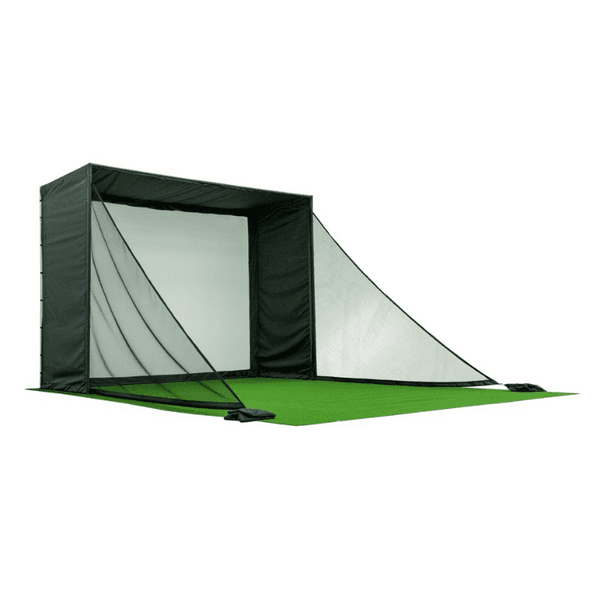
Even at 14 ft width, side netting protects the room finish from edge mishits.
Buy from
- Buy at PlayBetter $140Free ship, Side Netting
- Buy at Indoor Golf Outlet $120Free ship, Side Netting
- Buy at Carl's Place $140Free ship, Side Netting
Prices confirmed Nov 12, 2026 · we check every retailer daily
If you're cross-shopping
Side-by-side comparisons for the The GCQuad Showroom — $39,000 components.
Stay in the loop
Keep an eye on this build.
We email when meaningful pricing changes hit any component in this build, or when a stronger alternative shows up. One short message, maybe twice a month.
Want this build tailored?
Adjust for your room and your budget.
The configurator takes the same logic that produced this build and applies it to your specific dimensions and persona. If your room is tight, expect different picks.