The Dedicated Room — $12,500 Performance
Built around the Foresight GC3 — the industry-standard photometric launch monitor used in club fitting and tour facilities. Same triscopic camera platform as the Bushnell Launch Pro, on the same Foresight+ membership the Launch Pro runs on since September 2026 — the GC3's premium buys brand and resale now, not included software. The Carl's Place Premium enclosure delivers the brighter image quality you'll want once you're staring at virtual courses for hours a week. Shop Indoor Golf's SIGPRO Super Softy 4×9 is the hitting surface: a replaceable strip that takes a real tee, with a stance on each side so a right- and a left-hander share it. A pre-built RTX 5070 Ti tower saves the assembly weekend and sits above what both programs here ask for: GSPro's RTX 3080-or-better recommendation for 4K, and the RTX 5070 Foresight lists for its Premier software at medium settings. GSPro covers serious practice; E6 Connect is an optional extra for polished visitor rounds, though on a GC3 it means Foresight's $2,500 E6 licence rather than a plain subscription.
Shop this build
Every required part, one button each.
Grouped by retailer at today’s prices. Subtotals use today’s prices, so they can differ a little from the build total, which uses our reference price for each part.
When you buy through links on Northcourse, we may earn a commission at no additional cost to you. Read the full affiliate disclosure
Not in stock at any retailer we track today: King 95 Gaming PC (RTX 5070 Ti). See retailers on each product page.
Build price watch
Not buying yet? We’ll email you when a part of this build drops below its 30-day typical price at a retailer we track, with what the whole build saves. Amazon isn’t one: Amazon’s rules don’t allow price alerts. No newsletter, unsubscribe in one click.
Room requirements
The honest minimums. If your room is smaller, jump to the configurator — it’ll suggest a different build that fits.
Minimum room
Room for a full driver swing up to about 5′9″ (average swing). Taller golfers: a higher ceiling.
Room planner
See this build in your sim room.
The planner opens with this room, the build's launch monitor and projector, and a 5′9″ right-hander with an average swing, all drawn to scale. Change any of them to match yours.
Who this is for
- — Players practicing 3+ times per week
- — Buyers who want tour-grade accuracy without GCQuad pricing
- — Anyone building a dedicated room they expect to keep for 10+ years
- — Owners who want the launch monitor outright and budget the software's $849 a year from day one
- — Buyers nearer $11,200: the Country Club Elite 5×5 in place of the Super Softy, with no spare strip to buy, is the whole $1,071 difference
- — A room about 13 × 18 ft with a 9.5 ft ceiling: room for golfers up to about 5'9" with an average swing (6-footers want 10 ft)
Cost breakdown
Required items first, then optional add-ons. Subscriptions and consumables shown separately.
When you buy through links on Northcourse, we may earn a commission at no additional cost to you. Read the full affiliate disclosure
| Category | Product | Price |
|---|---|---|
| Launch monitor | $3,999 | |
| Hitting mat | $1,370 | |
| Enclosure | $1,750 | |
| Projector | $1,999 | |
| Computer | $2,400 | |
| Software | $250 | |
| Software | $0 | |
| Accessory | $300 | |
| Accessory | $80 | |
| Accessory | $120 | |
| Software · optional | +$0 | |
| Total (required items) | $12,268 | |
| Annual ongoing (subscriptions) | +$849/yr | |
When you buy through links on Northcourse, we may earn a commission at no additional cost to you. Read the full affiliate disclosure
Two minutes, five questions, one tailored build.
Build your simulatorField notes
Who this build is for
At about $12,300, this is the buy-once-cry-once version of a performance room. The signal it sends — to yourself, mostly — is that you intend to keep this room for ten years and you've stopped pretending the upgrade itch will go away on the cheaper version. Handicap is 0 to 10. You play 50+ rounds a year and you'd practice three times a week if winter weren't a problem in Calgary or Buffalo or Pittsburgh.
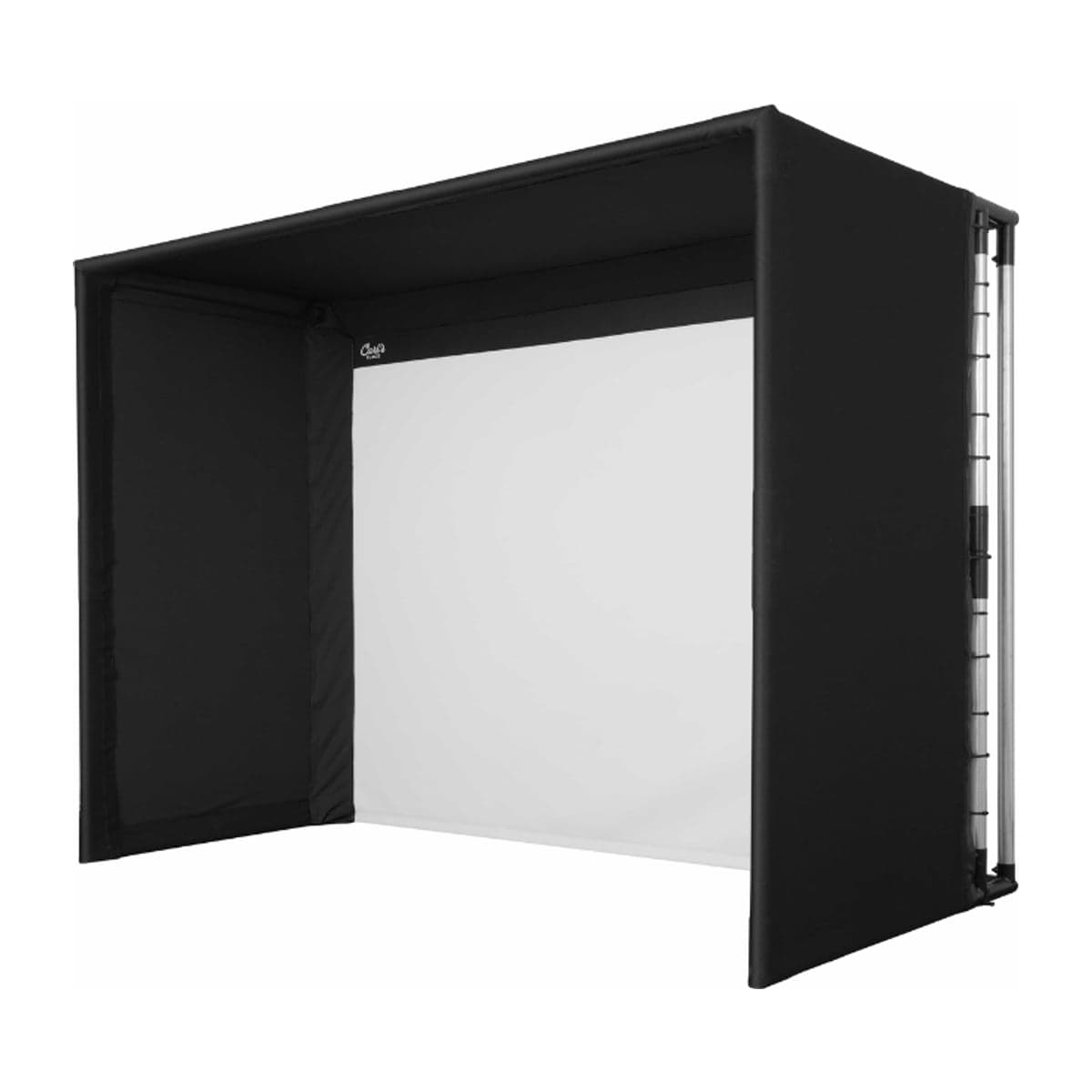
The buyer for this build has usually demoed both the GC3 and the GCQuad at a club fitter, walked away from the $16K price tag on the GCQuad, and started running the math on the GC3. That math works. You get the same triscopic camera platform Foresight licenses to Bushnell for the Launch Pro, on the same Foresight+ membership the Launch Pro uses since Foresight restructured in September 2026. The enclosure is the Carl's Place C-Series 9x12 with the Premium 3-layer screen at $1,749.95 — twelve feet of width for both-handed practice, framing that doesn't flex under full driver swings, and $750 less than the SIG12 sold by Shop Indoor Golf — paired with Shop Indoor Golf's SIGPRO Super Softy 4×9 at $1,369.99, a strip that takes a real tee with a stance on each side, sold by Indoor Golf Outlet and on Amazon. A pre-built RTX 5070 Ti tower, the Skytech King 95, saves you the assembly weekend and sits above what both programs ask for: GSPro recommends an RTX 3080 or better for 4K, so it runs at the projector's native resolution, and Foresight lists an RTX 5070 for its Premier software at medium settings.
What this build trades, plainly
The defensible question this build forces is GC3 versus GCQuad. The GCQuad uses four cameras instead of three — a true quadrascopic system — and independent reviewer testing summarized at MyGolfSpy and Practical Golf shows measurably tighter shot-to-shot repeatability on dispersion, plus better club-data fidelity on partial wedge shots. For a tour player or a serious club fitter charging clients, that delta matters. For a 5-handicap working on consistency over a decade of indoor practice, it rarely justifies the difference — about $12,000 at today's prices, with the GC3 on Foresight's $3,999 sale and the GCQuad at $15,999, and about $9,000 with both at list. The GC3's three-camera platform reads ball speed, launch angle and spin axis, plus club speed, smash factor, club path and angle of attack, with photometric directness rather than ball-flight estimation. What it does not report is face angle or dynamic loft: Foresight limits the GC3 to one-dot club data, and that is part of what the GCQuad's premium buys. Photometric units track angle of attack at impact; most under-$3K radar units estimate it from ball flight, and the difference shows up the moment you try to share data with a coach who reads it for real.
Against the Bushnell Launch Pro: same hardware, and as of September 2026 the same business model. Foresight moved course play onto a Foresight+ membership plus a Course Pass, which both units now pay, so the old trade — the GC3's higher sticker against Bushnell's annual fees — no longer exists. Five-year TCO favors the Bushnell by the full hardware gap at every tier and every horizon: $1,000 at the GC3's $3,999 sale price, $4,000 if it goes back to its $6,999 list. What the GC3 still buys is resale value, a second year of warranty (two years to the Bushnell's one) and the Foresight name on the box. Both now carry a fee you cannot price a decade out; Foresight's tiers have reset repeatedly, most recently in September 2026 when Gold went from $499 to $599 and the bundled courses became a separate Course Pass. On a three-to-five-year horizon, the Bushnell wins the math; our Launch Pro vs GC3 comparison walks the full table. This build is priced with the GC3 at $3,999, Foresight's sale price at Foresight and its dealers since October 13, 2026, against a $6,999 list. Foresight has announced no end date; if the price goes back to list, the build costs about $3,000 more.
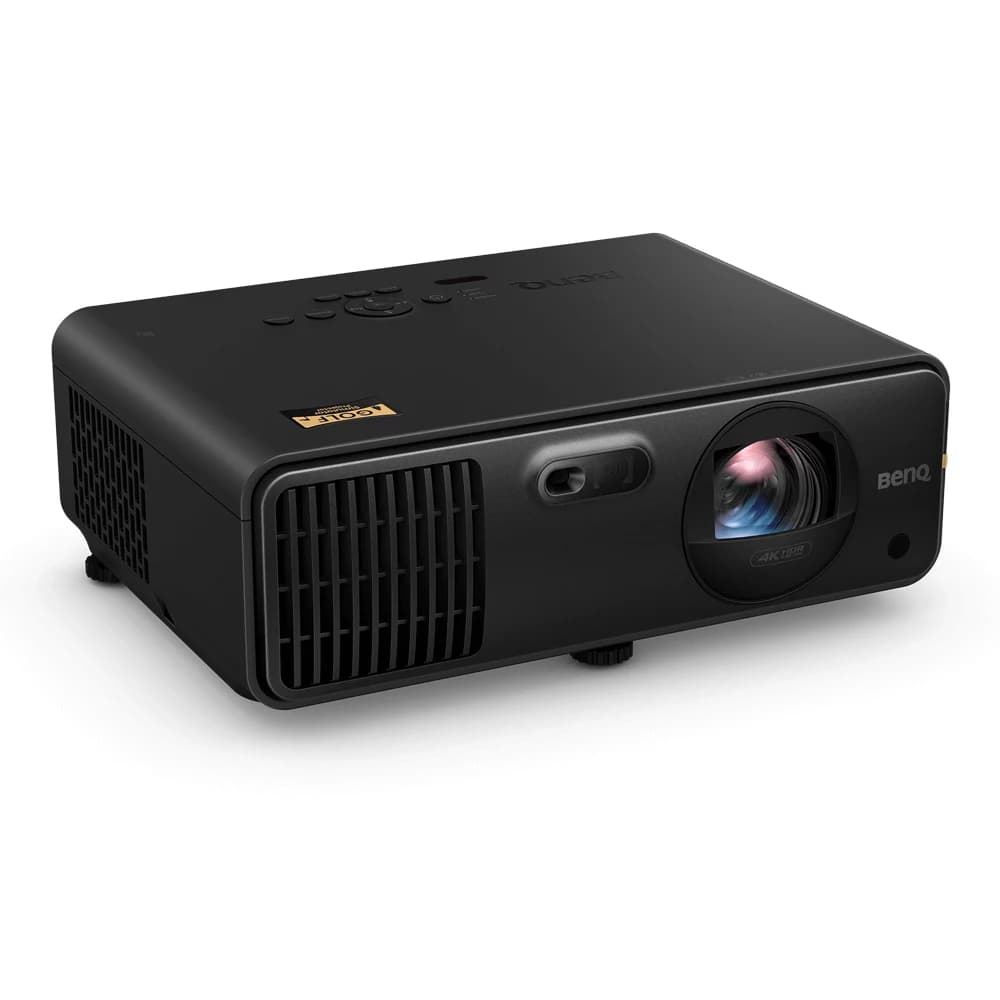
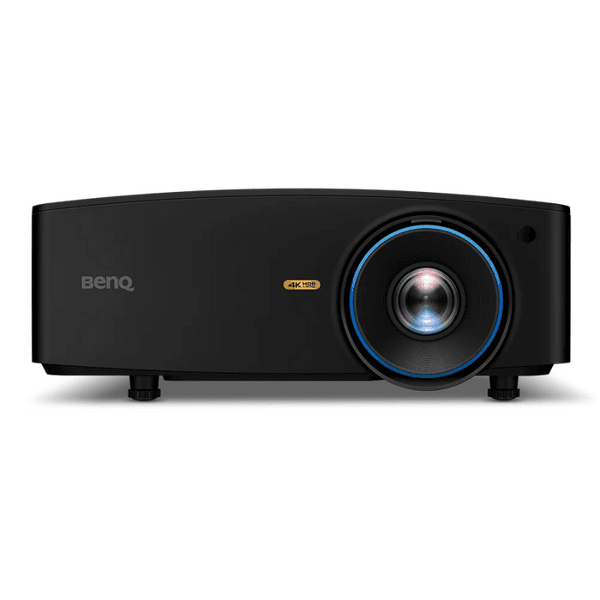
The projector choice — BenQ TK710STi, not the LK936ST — saves $2,900, $1,999 against $4,899. Both are 4K lasers now that the TK710STi has replaced the discontinued, lamp-based TK700STi this build used to specify, so neither has a lamp to replace. What the LK936ST buys is brightness: 5,100 lumens against the TK710STi's 3,200 ANSI, by BenQ's figures. In a practice room with controlled light, 3,200 is enough. The LK936ST earns its premium when the room has ambient light to fight or hosting matters more than data clarity.
Common gotchas during install
The GC3 sits on the floor beside the ball — Foresight's manual says about 2 feet from the hitting area, on the side you face. If you have left-handed players in the household, plan to reposition the unit between users (about 30 seconds of work) or skip ahead to the $30,000 Falcon build, which is ceiling-mounted and ambidextrous by design.
GSPro is Windows-only, so in a Mac household the tower is not a nice extra; it is the only path to GSPro. It also won't tolerate being run from a sleeping PC over the network. The tower handles this fine, but if you bridge a basement install over a long Ethernet run, terminate the cable correctly — flaky network drops manifest as GSPro freezing mid-shot, which is maddening to debug.
Plan the room at 13 by 18 feet under a 9.5-foot ceiling. Thirteen feet clears the Premium's 12-foot frame plus the couple of inches a side Carl's asks for. It puts the side walls inside the 7 feet around the golfer that Carl's Place and Shop Indoor Golf advise, which our room planner reads as under guidance; a right- and a left-hander can share one tee (the planner fits that from about 12'10"), under the same guidance. Eighteen feet is our room planner's depth for this unit: about a foot behind the screen, the ball 10 feet from it (Foresight publishes no ball-to-screen distance for the GC3, so the planner starts from the middle of the figures other makers publish), and the 7 feet behind the tee that Shop Indoor Golf and Carl's Place advise. The ceiling suits a golfer up to about 5'9" with an average swing; a 6-footer wants 10 feet.
The Premium's screen is 4:3, 132 by 99 inches by Carl's spec sheet. A 16:9 projector has to throw its whole frame wide enough to cover the screen's height, so the TK710STi's 0.69–0.83 throw fills it from about 10 to 12 feet away; a 16:9 picture the screen's width (it letterboxes) hangs it 7½ to 9 feet out. With the tee 10 feet from the screen, the full picture puts the lens over the tee or a little behind it, and the 16:9 picture a foot or two ahead of the ball, near where a driver tops out on a 9.5-foot ceiling. Mount it tight to the ceiling, check the spot with a driver in hand before you drill, and cage it. If it is still too close, the Optoma UHZ35ST's fixed 0.496 throw fills the screen's width from about 5½ feet, for as long as its clearance stock lasts.
The Super Softy sits on interlocking heavy rubber tiles, 2¾ inches tall with the base, and Shop Indoor Golf says the tiles make it hard to move once it is set up. Decide where the strip goes before you lay them: 10 feet from the screen, with room beside it for the GC3 on whichever side the golfer faces.
What to upgrade first if budget grows
If the budget grows toward $30,000, the spend goes into the launch monitor before anything else. The Foresight Falcon — ceiling-mounted, quadrascopic, Foresight's current flagship — eliminates floor footprint and handed-setup repositioning, which adds up over years. From there, the BenQ LK936ST for 5,100 lumens in a room with ambient light, and the SIGPRO Commercial 9x14 screen for a commercial-grade impact surface. That is roughly the $30,000 performance showroom. Diminishing returns are real past that: spending more on this kind of room doesn't make it play meaningfully better — it just looks more finished.
Going the other direction, the honest floor for this room is the same parts list with one line changed. The Country Club Elite 5×5 at $599 in place of the Super Softy takes about $1,070 off, the spare Softy XL strip included since the Elite has no strip, to about $11,200, and keeps the GC3, the BenQ TK710STi, this same Carl's Place premium enclosure and the same RTX 5070 Ti tower. That used to be a separate build; the mat was the only difference, so it is one room now. What the Elite gives up is the second stance: a 5×5 is one player's mat, so it moves when a left-hander steps in. Going up instead, Fiberbuilt's 4×10 center-hit is the same both-hands layout for $1,699, about $330 more, with a larger 2 × 4 ft turf panel, though as of November 2026 it is sold out at every retailer we track. This build used to specify Fiberbuilt's 8×4 Studio Mat, which has one stance. Below that floor, you're compromising on the launch monitor (an estimated angle of attack from a radar unit, which most coaches can't usefully read) or on the room. The launch monitor is the part you don't compromise. Everything else is recoverable later.
If you're still weighing this against the Falcon-anchored build, the configurator and the $30,000 performance showroom write-up cover the practical break points.
Why these components
Each pick has a reason. Here’s ours.
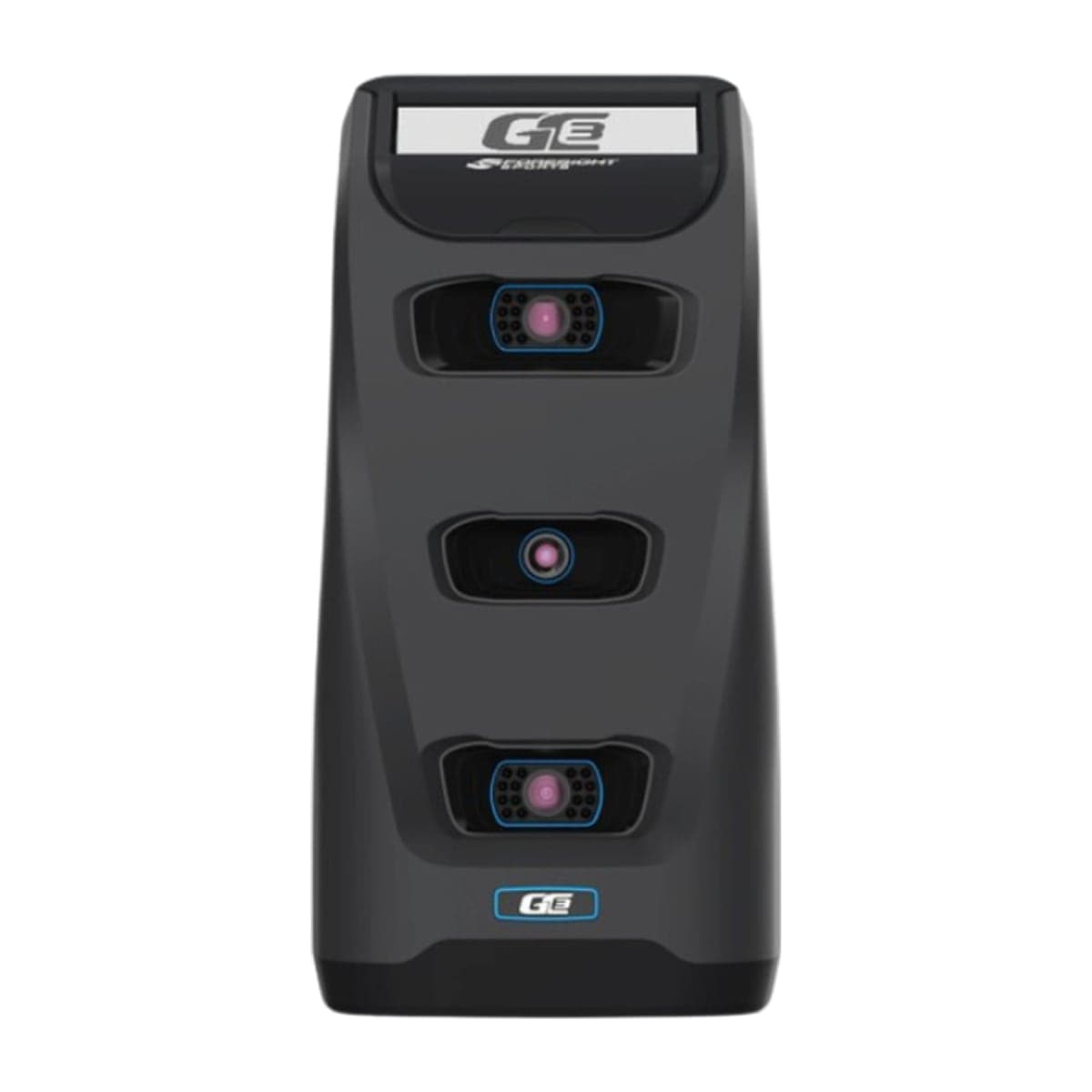
Industry-standard photometric accuracy used in club fitting and tour facilities. The pick when resale value and the Foresight name matter; course play runs on a Foresight+ membership plus a Course Pass, roughly $500-$1,200/yr, as it does on every unit on this platform since September 2026. $3,999 is Foresight's sale price, at Foresight and its dealers since October 13, 2026, against a $6,999 list; there is no announced end date, and if it goes back to list this build costs about $3,000 more. The GolfJoy Spica 3 is a three-camera side-of-ball unit that GSPro lists by name with no maker membership in the way, where the GC3 needs Foresight+ Gold at $599/yr for GSPro; the trade is a newer brand with a short US track record.
Buy from
- Buy at Amazon $3,999Free ship, GC3
- Buy at PlayBetter $3,999Free ship, GC3
- Buy at Indoor Golf Outlet $3,999Free ship, GC3
- Buy at Carl's Place $3,999Free ship, GC3
- Buy at Rain or Shine Golf $3,999Free ship, GC3
Prices confirmed Nov 12, 2026 · we check every retailer daily
Alternatives we considered
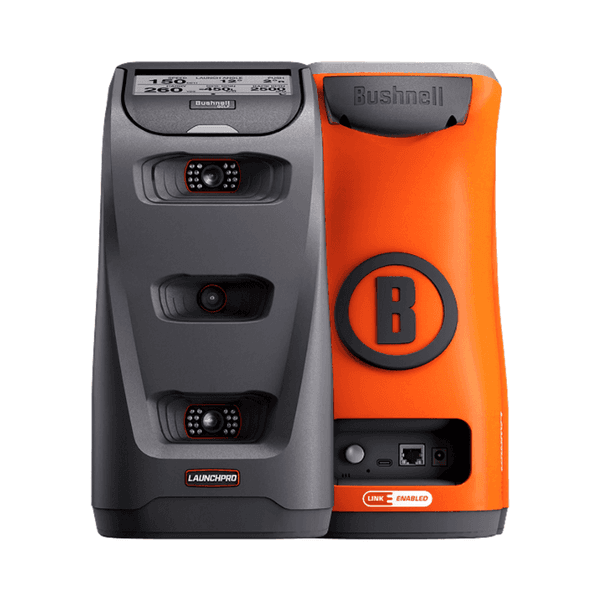 PremiumBushnellLaunch Pro
Tour-level photometric accuracy from the same hardware platform as the Foresight GC3. Lower entry cost with subscription model.
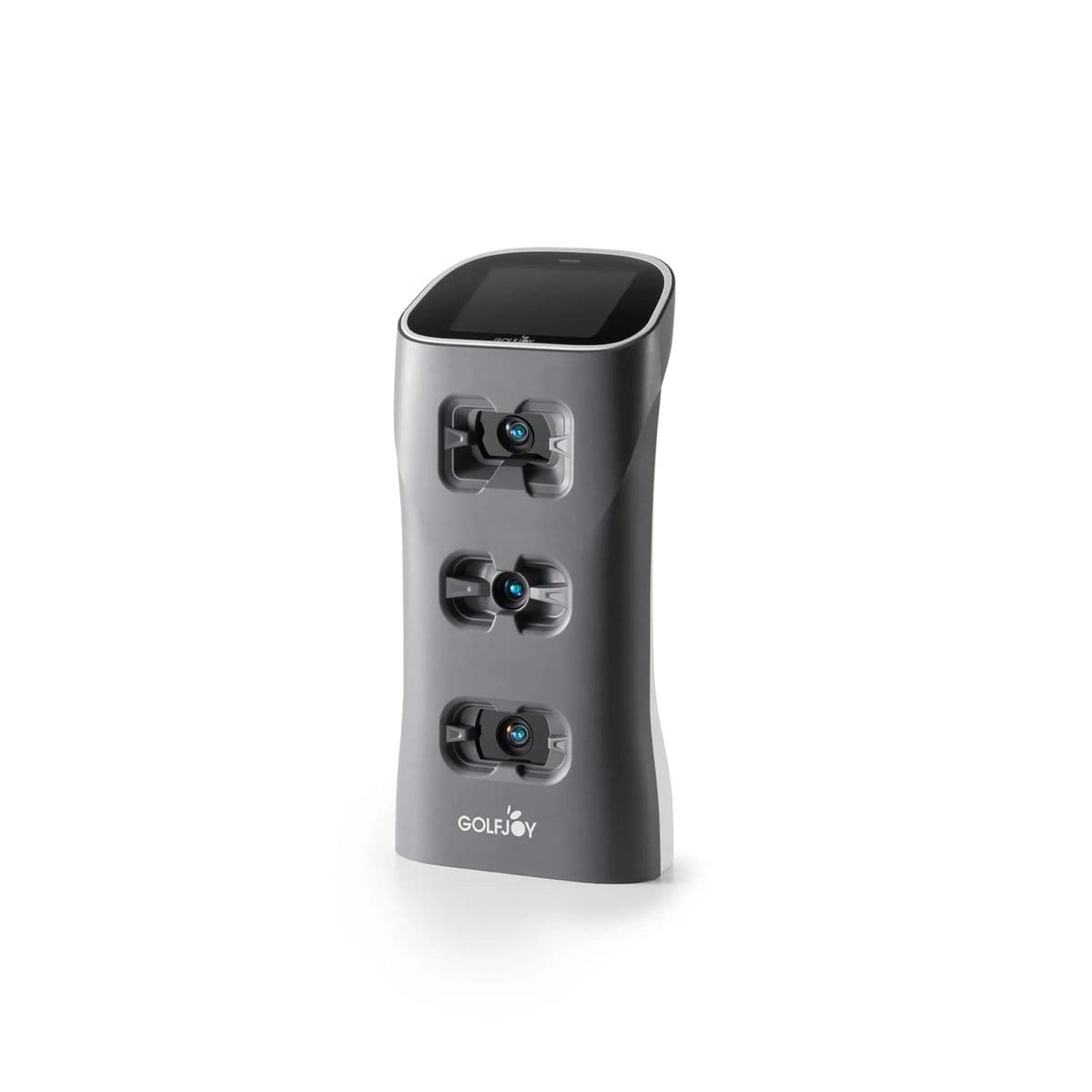 PremiumGolfJoySpica 3
Three-camera side-of-ball unit that GSPro and Creative Golf both list by name. GolfJoy's own PC software is a yearly subscription after a trial.
$3,189+ $249/yr
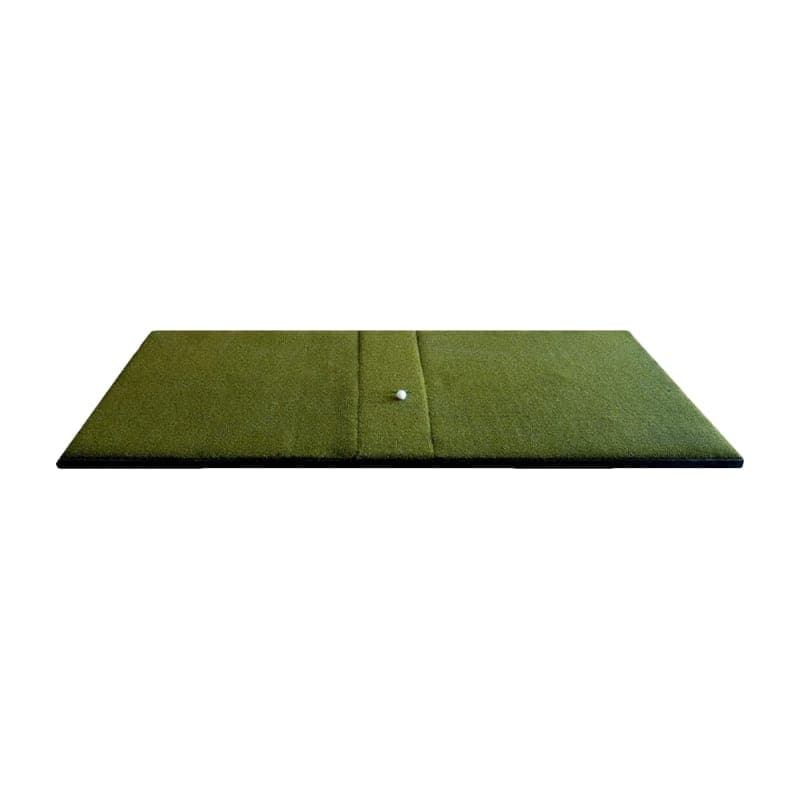
Shop Indoor Golf's SIGPRO Super Softy 4×9 at $1,369.99, sold by Indoor Golf Outlet and Shop Indoor Golf's Amazon store: one 12 × 48 in strip that takes a real tee, with a stance area on each side, on an interlocking rubber-tile base that Shop Indoor Golf says is hard to move once it is set up. A right- and a left-hander share it without moving it; only the GC3 changes sides. The strip is the part that wears, and it is replaced on its own. Fiberbuilt's 4×10 center-hit is the same layout for $1,699, about $330 more, with a 2 × 4 ft Pure Impact Turf panel and Fiberbuilt's 10+ year rating, but as of November 2026 it is sold out at every retailer we track; the Fiberbuilt 8×4 this build used to list ($1,499) has one stance. The Country Club Elite 5×5 is the way to spend about $1,070 less, the spare strip included: real-feel turf on a cushion underlayer with no strip to replace and one stance, so the mat moves when the hand changes.
Buy from
- Buy at Amazon $1,370Free ship, SIGPRO Super Softy (4'×9')
- Buy at Indoor Golf Outlet $1,370Free ship, SIGPRO Super Softy (4'×9')
Prices confirmed Nov 12, 2026 · we check every retailer daily
Alternatives we considered
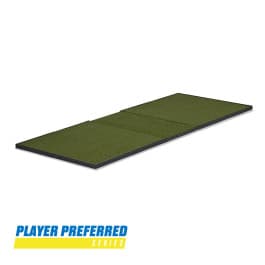 ShowroomFiberbuiltStudio Mat (4×10 Center-Hit)
10-foot Player Preferred Fiberbuilt with center hit zone. Worth the upgrade in wider bays or ambidextrous builds.
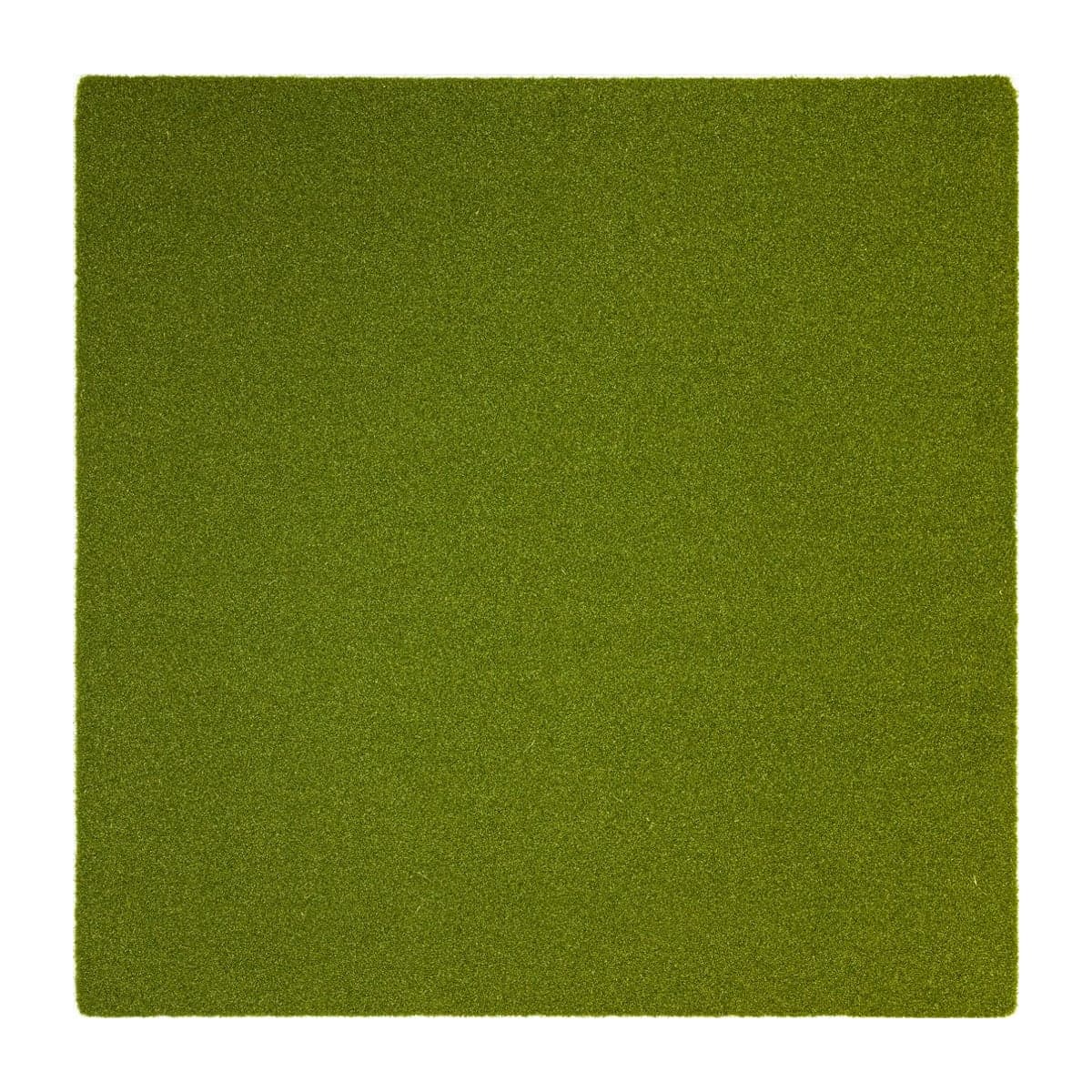 Mid-tierReal Feel Golf MatsCountry Club Elite Mat (5×5)
Full-stance 5×5 with real-feel turf. Used in commercial ranges; the practical mid-tier pick for serious-practice home builds.
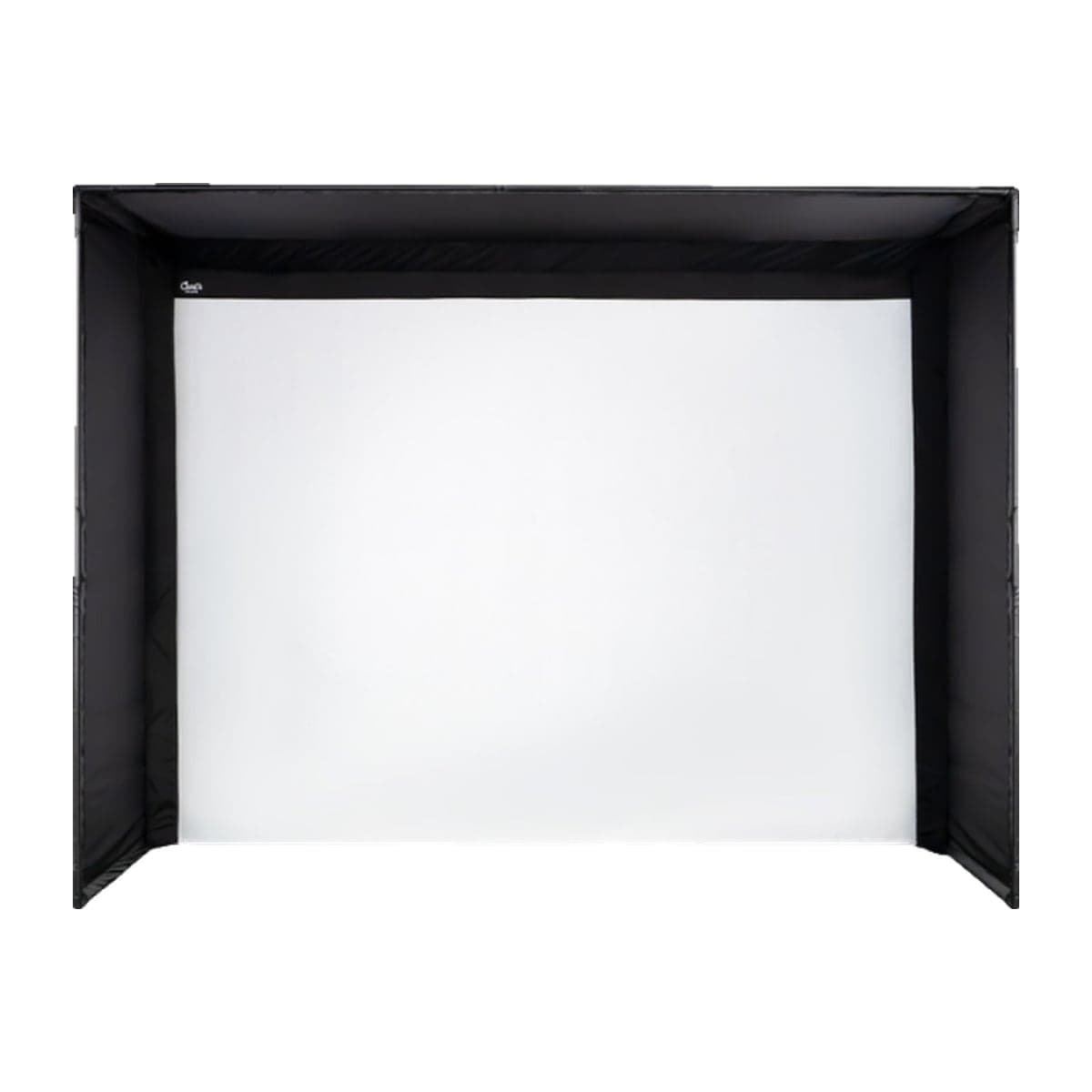
Carl's Place flagship enclosure. Brighter image quality from the upgraded impact screen. Premium framing handles repeated full driver swings without flexing.
Buy from
- Buy at Indoor Golf Outlet $1,750Free ship, C-Series DIY Enclosure (9x12, Premium screen)
- Buy at Carl's Place $1,750Free ship, C-Series DIY Enclosure (9x12, Premium screen)
Prices confirmed Nov 12, 2026 · we check every retailer daily
Alternatives we considered
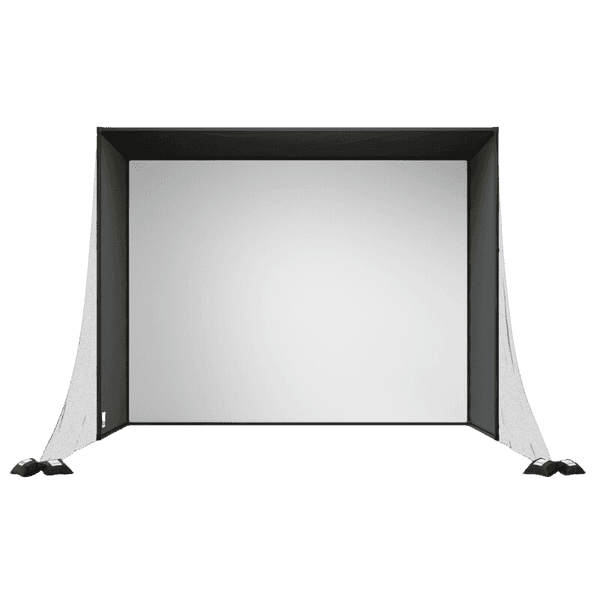 Mid-tierRain or Shine GolfSwingBay 9x12 (Triple-Layer Screen)
Lightest aluminum push-button frame with triple-layer screen. Quick assembly, both-handed friendly.
 PremiumCarl's PlacePro Golf Enclosure (2025 Redesign)
Carl's 2025 redesign — heavy 2" EMT and BlackStop fabric, in sizes from 8 x 10.5 x 5 ft. The mid-premium gap-filler between C-Series and SIGPRO Commercial.
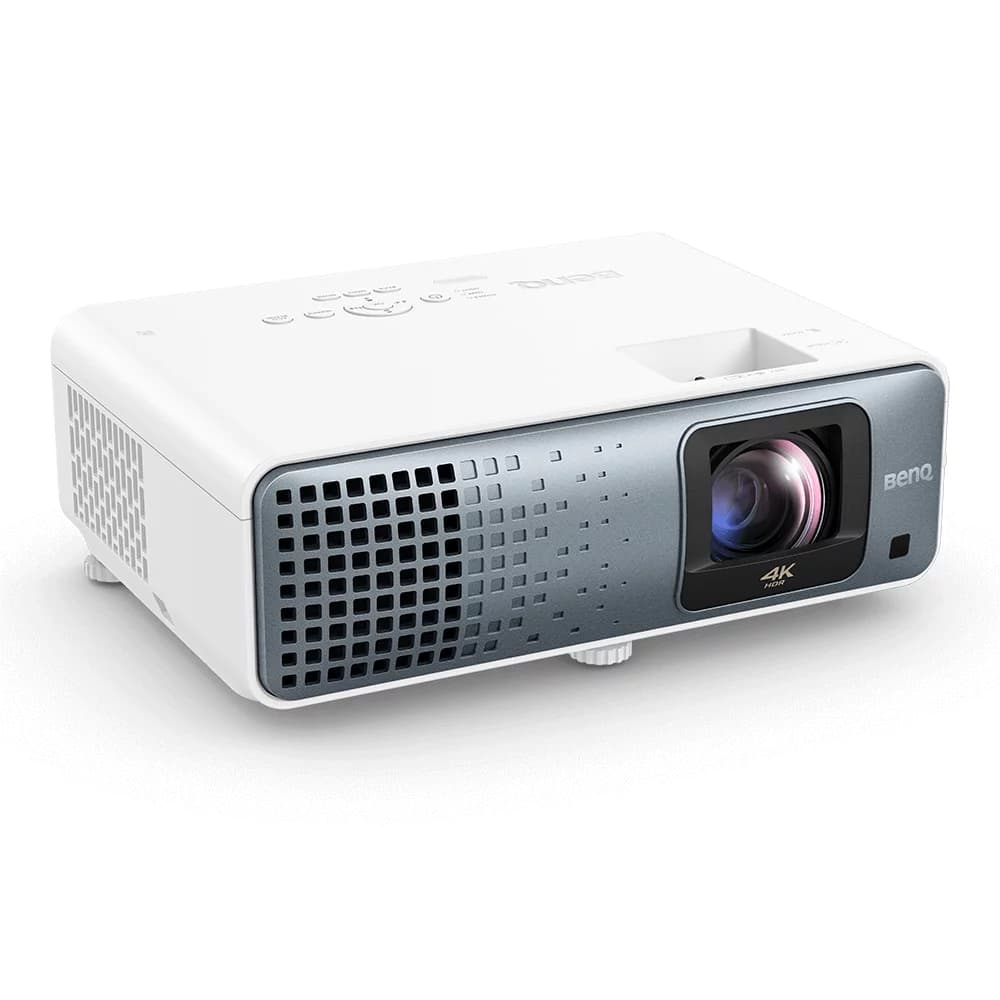
4K laser short-throw with 16.7 ms input lag at 4K by BenQ's figures, and no lamp to replace across a decade of practice; it replaced the discontinued TK700STi. A picture that fills the Premium's 4:3 screen (132 × 99 in) puts it about 10 to 12 feet from the screen, over the tee or just behind it in this 18 ft room; a 16:9 picture the screen's width (it letterboxes) hangs it 7½ to 9 feet out, a foot or two ahead of the ball. Either way, check the mount position with a driver in hand.
Buy from
- Buy at Amazon $1,965Free ship, TK710STi
- Buy at PlayBetter $2,199Free ship, TK710STi
- Buy at Indoor Golf Outlet $2,199Free ship, TK710STi
- Buy at Carl's Place $2,199Free ship, TK710STi
- Buy at Shop Indoor Golf $2,199Free ship, TK710STi
- Buy at B&H $1,999Free ship, TK710STi
Prices confirmed Nov 12, 2026 · we check every retailer daily
Alternatives we considered
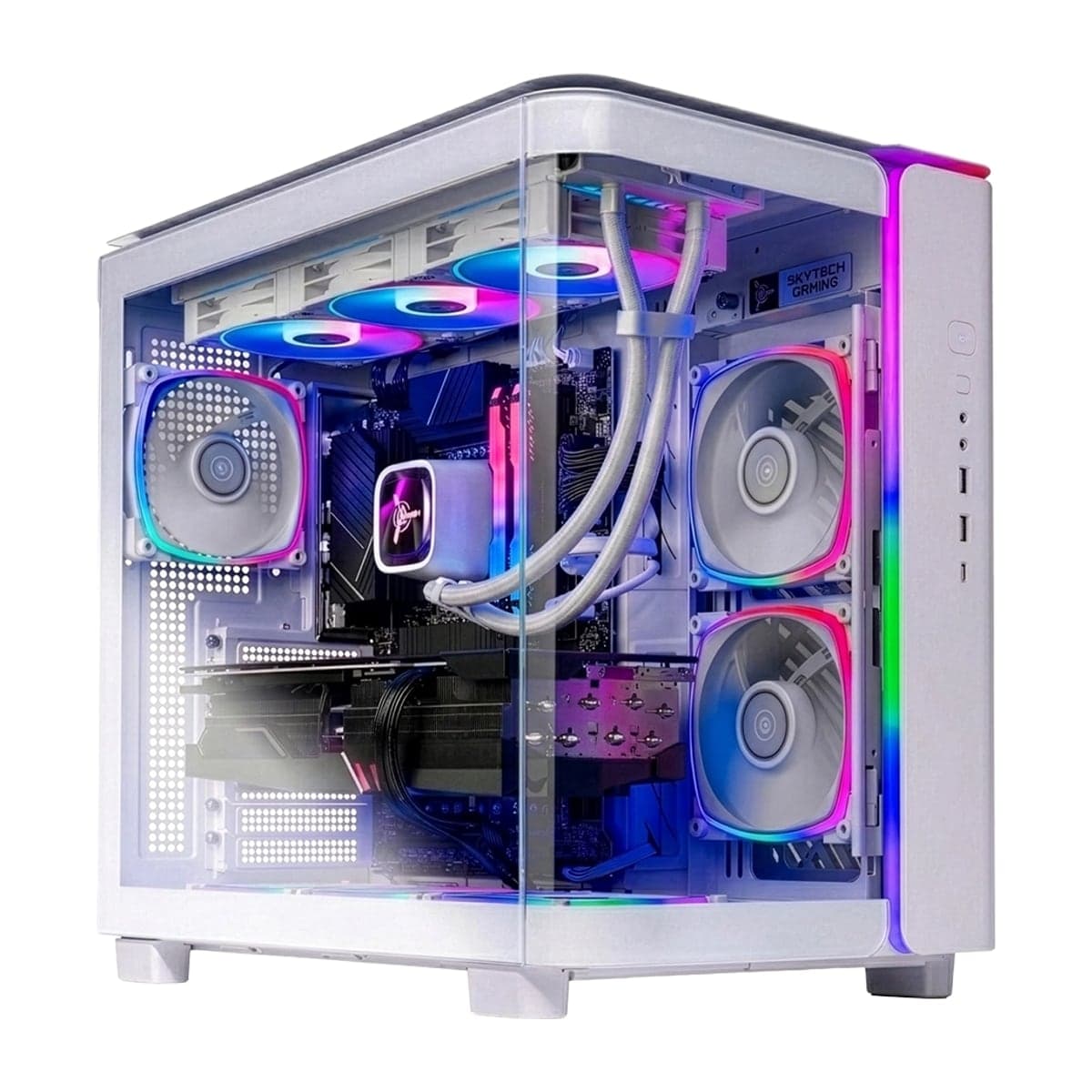
Skytech's King 95 (Core i7-14700F, RTX 5070 Ti 16GB, 32GB DDR5), sold by Amazon.com. It sits above both programs this room runs: GSPro recommends an RTX 3080 or better for 4K, so it plays at the TK710STi's native resolution, and Foresight lists an RTX 4060 for Premier at low settings and an RTX 5070 for medium. An RTX 5060 tower clears Premier's low-settings minimum but not its medium tier.
Buy from
Prices confirmed Nov 11, 2026 · we check every retailer daily

$250/yr license for the community standard. 2,500+ LiDAR courses, real practice tools. The serious-practice software.
Buy from
- Buy at Indoor Golf Outlet $250Free ship, GSPro
- Buy at Carl's Place $250Free ship, GSPro
- Buy at Shop Indoor Golf $250Free ship, GSPro
- Buy at Foresight Sports $250Free ship, GSPro
Prices confirmed Nov 12, 2026 · we check every retailer daily

GSPro on a GC3 bought new needs Foresight+ Gold underneath — Foresight's own GSPro page says an active Gold membership is required — so the real software line is $849/yr, not GSPro's $250. Gold also brings swing video, multiple profiles and Foresight's own Premier software for practice and coach exports.
Polished graphics and approachable interface for casual rounds and visitors, alongside GSPro for practice. On a GC3 it isn't the plain $300/yr subscription it is on most hardware: Foresight sells E6 Connect for its units as a $2,500 licence that also needs Gold (already in this build) or a perpetual FSX licence, Windows only.
Buy from
Prices confirmed Nov 12, 2026 · we check every retailer daily
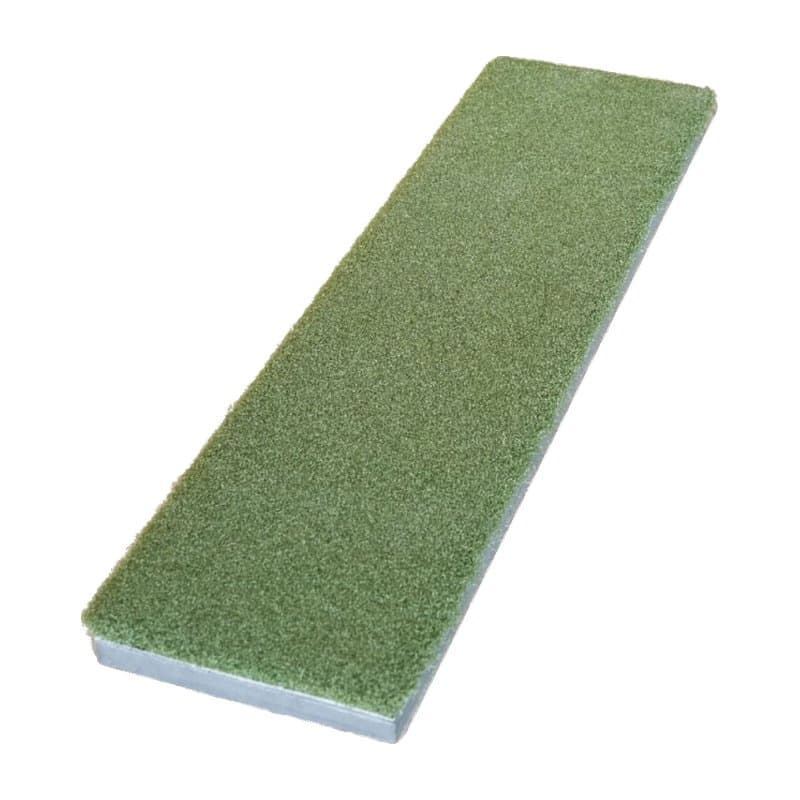
A spare of the Super Softy's own strip, the SIGPRO Softy XL: 12 × 48 in, takes a real tee, soft foam under Teeline turf. It is the part that wears on a practice build doing daily reps, and a spare on the shelf means swapping it the day it goes rather than waiting for one to ship. $299.99 at Indoor Golf Outlet in Shop Indoor Golf's fall sale, $399.99 regular.
Buy from
Prices confirmed Nov 12, 2026 · we check every retailer daily
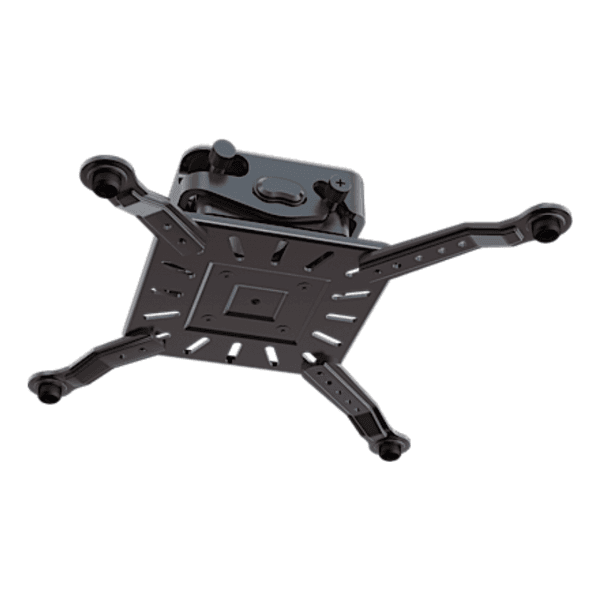
Stable ceiling mount with cable management. Standard for permanent installs.
Buy from
- Buy at Amazon $20Free ship, Projector Ceiling Mount
- Buy at Indoor Golf Outlet $260Free ship, Projector Ceiling Mount
- Buy at Shop Indoor Golf $120Free ship, Projector Ceiling Mount
- Buy at Rain or Shine Golf $80Free ship, Projector Ceiling Mount
Prices confirmed Nov 12, 2026 · we check every retailer daily
Quality cables prevent signal issues during long practice sessions.
If you're cross-shopping
Side-by-side comparisons for the The Dedicated Room — $12,500 Performance components.
Stay in the loop
Keep an eye on this build.
We email when meaningful pricing changes hit any component in this build, or when a stronger alternative shows up. One short message, maybe twice a month.
Want this build tailored?
Adjust for your room and your budget.
The configurator takes the same logic that produced this build and applies it to your specific dimensions and persona. If your room is tight, expect different picks.