Tools · Room planner
See your simulator room before you buy.
Your room, your gear and your swing, drawn to scale, then checked against the strictest published figures.
Under guidance
Works, with one spot under guidance.
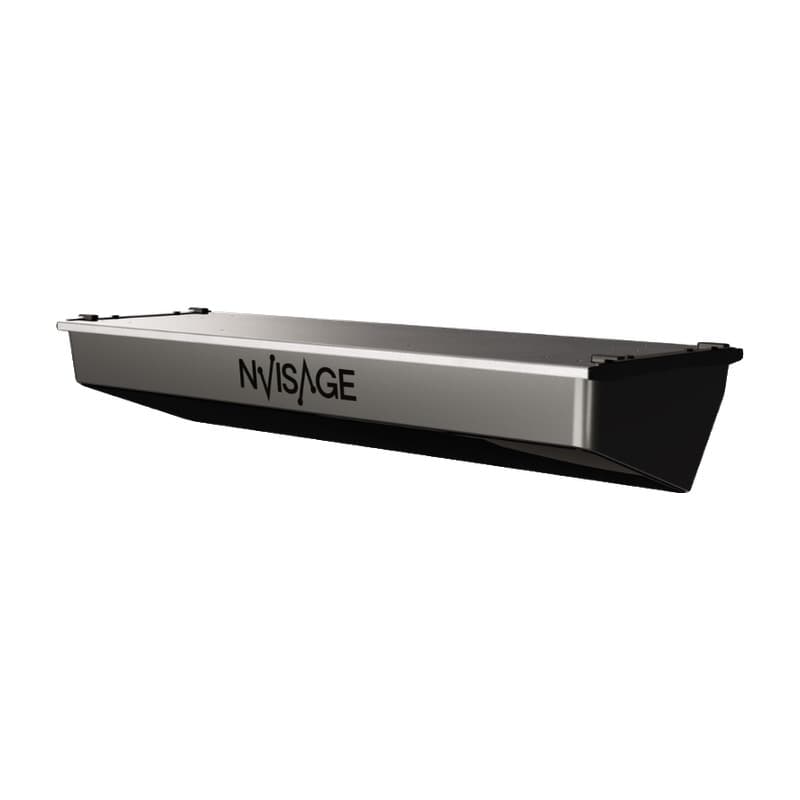
15′ wide, 20′ deep, 11′ ceiling · 6′ right-hander · NVISAGE N1 · Optoma GT2000HDR
Swing shown flattened onto this view. In 3D a typical driver swing on its backswing stays 2′1″ from the projector; where it gets as high as the projector it is 2′3″ to the side of the box the planner keeps around it.
Drawing legend
- Typical driver swing: the measured average swing plane
- Geometric maximum: arm and driver in one line
- Doesn't fit (cross-hatched, heavy solid line; equipment crossed out): a typical driver swing, the light or your body reaches it, or under a published minimum
- Under guidance (wide dashed hatch, long-dashed line): below a published recommendation; in the side view, the band up to the recommended ceiling
- Close (dotted): meets every published figure, but inside the 12 in margin or the geometric maximum
- Published guidance (dash-dot): Shop Indoor Golf's minimum ceiling in the side view, the 7 ft around you in the plan, drawn in a wall's status where it cuts a wall that fails or is under guidance
- Projector at its maker's published size, and its light, from the lens
- Grey dots on the swing: where a typical driver swing passes through the light, so the club casts a moving shadow on the picture (a note)
- Launch monitor, and the range its maker allows
- Double outline in plan: mounted overhead
Both views share one scale; grid squares are 1 ft. Projectors are drawn at their maker’s published size; launch monitors are schematic boxes. The lens point, the launch monitor’s position and everything else come from the plan’s numbers.
The checks
- Under guidanceProjector
Clear of rebounds
The lens is 91 in from the screen, under BenQ's guidance: about 7 to 8 ft so balls bouncing back off the screen don't reach it. The planner holds the 8 ft end, 96 in. The planner can't clear this by moving the tilt or the picture size without making another check worse.
Sources (1)
- benq.com/en-us/business/campaign/golf-simulator-project…Maker · checked Oct 21, 2026
Loading the quote…
- benq.com/en-us/business/campaign/golf-simulator-project…Maker · checked Oct 21, 2026
- CloseProjector
Club clearance
Worked out in 3D, a typical driver swing, backswing included, stays 21 in from the generous box the planner keeps around it. Where your swing gets as high as the projector, it is 27 in to the side. With arm and club straight out (the geometric maximum) the driver could reach it, inside the 12 in clearance the planner keeps. The verdict uses the driver's swing; the club you pick only changes the drawing.
Sources (11)
- tools.openlab.psu.edu/publicData/ANSURII-TR15-007.pdfGovernment report · checked Oct 21, 2026
Loading the quote…
Loading the quote…
Loading the quote…
13 more from this pageFewer
Loading the quote…
Loading the quote…
Loading the quote…
Loading the quote…
Loading the quote…
Loading the quote…
Loading the quote…
Loading the quote…
Loading the quote…
Loading the quote…
Loading the quote…
Loading the quote…
Loading the quote…
- ping.com/en-us/golf-clubs/drivers/g440-max-driverMaker · checked Oct 20, 2026
Loading the quote…
Loading the quote…
- ojs.ub.uni-konstanz.de/cpa/article/view/5641/5134Conference paper · checked Oct 24, 2026
Loading the quote…
Loading the quote…
Loading the quote…
11 more from this pageFewer
Loading the quote…
Loading the quote…
Loading the quote…
Loading the quote…
Loading the quote…
Loading the quote…
Loading the quote…
Loading the quote…
Loading the quote…
Loading the quote…
Loading the quote…
- ojs.ub.uni-konstanz.de/cpa/article/view/1927/1795Conference paper · checked Oct 20, 2026
Loading the quote…
Loading the quote…
Loading the quote…
2 more from this pageFewer
Loading the quote…
Loading the quote…
- pure.ulster.ac.uk/ws/files/11652215/Morrison%202018%20A…Journal · checked Oct 20, 2026
Loading the quote…
Loading the quote…
Loading the quote…
- frontiersin.org/journals/bioengineering-and-biotechnolo…Journal · checked Oct 20, 2026
Loading the quote…
Loading the quote…
Loading the quote…
4 more from this pageFewer
Loading the quote…
Loading the quote…
Loading the quote…
Loading the quote…
- region-resource.optoma.com/products/import/Documents/02…Maker · checked Oct 23, 2026
Loading the quote…
- optomausa.com/product/gt2000hdrMaker · checked Oct 23, 2026
Loading the quote…
- region-resource.optoma.com/products/import/Documents/02…Maker manual · checked Oct 23, 2026
Loading the quote…
- region-resource.optoma.com/products/import/Documents/c5…Maker · checked Oct 23, 2026
Loading the quote…
Loading the quote…
- dc-api.optoma.com/api/getDetail/2662Maker · checked Oct 23, 2026
Loading the quote…
- tools.openlab.psu.edu/publicData/ANSURII-TR15-007.pdfGovernment report · checked Oct 21, 2026
- NoteLaunch monitor
Mounting height
The unit mounts 110 in to 118 in above the hitting surface; with 132 in to the ceiling it has to hang 14 in down on a drop mount.
Sources (2)
- qrfy.io/r/cR4VSiQlKyMaker manual · checked Oct 29, 2026
Loading the quote…
- nvisagetech.com/n1-launch-monitorMaker · checked Oct 29, 2026
Loading the quote…
- qrfy.io/r/cR4VSiQlKyMaker manual · checked Oct 29, 2026
- NoteLaunch monitor
Maker's room size
The maker publishes no room depth or width for this unit, so the planner holds the room to the figures that are published: depth by the ball-to-screen distance and the space behind you; width by the swing's reach to each side wall and the picture's fit.
- NoteProjector
Ball strikes
The projector hangs 40 in in front of the ball, between you and the screen, its lens 120 in up. The ball can reach it, and the club comes close (see Club clearance): a skied or popped-up shot leaving steeper than about 72°, or a ball rebounding off the screen, can reach it. BenQ suggests a protective cage mount against mishits.
Sources (1)
- benq.com/en-us/golf-simulator-projector/knowledge/what-…Maker · checked Oct 21, 2026
Loading the quote…
- benq.com/en-us/golf-simulator-projector/knowledge/what-…Maker · checked Oct 21, 2026
18 checks OK · showhide
- OKRoom and swing
Screen size
The 138 in x 103 in image fits, from the floor to 103 in up, leaving 21 in each side and 29 in above.
- OKRoom and swing
Target line on the picture
A straight shot lands 45 in inside the picture's right edge.
- OKRoom and swing
Ball to screen
The ball sits 131 in from the screen. This launch monitor's maker publishes no ball-to-screen distance, so the planner holds it to Carl's Place's minimum, 120 in from the screen to the ball.
Sources (1)
- carlofet.com/blog/measuring-your-space-for-an-indoor-go…Maker · checked Nov 8, 2026
Loading the quote…
Loading the quote…
- carlofet.com/blog/measuring-your-space-for-an-indoor-go…Maker · checked Nov 8, 2026
- OKRoom and swing
Standing room
The ball is 97 in from the back wall, which leaves 88 in behind your shoulders at address. Your shoulders are about 17 in across: the ANSUR II shoulder-breadth ratio at your height.
Sources (1)
- tools.openlab.psu.edu/publicData/ANSURII-TR15-007.pdfGovernment report · checked Oct 20, 2026
Loading the quote…
Loading the quote…
Loading the quote…
1 more from this pageFewer
Loading the quote…
- tools.openlab.psu.edu/publicData/ANSURII-TR15-007.pdfGovernment report · checked Oct 20, 2026
- OKRoom and swing
Ceiling
A typical driver swing peaks at about 112 in. Shop Indoor Golf's table gives a golfer 5'10" to 6'2" a minimum ceiling of 10 ft and recommends 10 ft. The planner fails a ceiling under 120 in, set by Shop Indoor Golf's minimum. Your 132 in ceiling clears the driver's peak by 20 in. For reference only: our model puts a typical 7-iron at about 116 in and a wedge at about 114 in (our extrapolation from measured swing planes, not measured peaks); Liu 2026's steeper backswing plane puts the driver at about 122 in; the geometric maximum (arm and club in one vertical line) is 134 in. The verdict uses the driver.
Sources (9)
- shopindoorgolf.com/blogs/helpful-articles-videos/key-co…Retailer · checked Oct 20, 2026
Loading the quote…
Loading the quote…
- tools.openlab.psu.edu/publicData/ANSURII-TR15-007.pdfGovernment report · checked Oct 21, 2026
Loading the quote…
Loading the quote…
Loading the quote…
13 more from this pageFewer
Loading the quote…
Loading the quote…
Loading the quote…
Loading the quote…
Loading the quote…
Loading the quote…
Loading the quote…
Loading the quote…
Loading the quote…
Loading the quote…
Loading the quote…
Loading the quote…
Loading the quote…
- ping.com/en-us/golf-clubs/drivers/g440-max-driverMaker · checked Oct 20, 2026
Loading the quote…
Loading the quote…
- ojs.ub.uni-konstanz.de/cpa/article/view/5641/5134Conference paper · checked Oct 24, 2026
Loading the quote…
Loading the quote…
Loading the quote…
11 more from this pageFewer
Loading the quote…
Loading the quote…
Loading the quote…
Loading the quote…
Loading the quote…
Loading the quote…
Loading the quote…
Loading the quote…
Loading the quote…
Loading the quote…
Loading the quote…
- ojs.ub.uni-konstanz.de/cpa/article/view/1927/1795Conference paper · checked Oct 20, 2026
Loading the quote…
Loading the quote…
Loading the quote…
2 more from this pageFewer
Loading the quote…
Loading the quote…
- pure.ulster.ac.uk/ws/files/11652215/Morrison%202018%20A…Journal · checked Oct 20, 2026
Loading the quote…
Loading the quote…
Loading the quote…
- frontiersin.org/journals/bioengineering-and-biotechnolo…Journal · checked Oct 20, 2026
Loading the quote…
Loading the quote…
Loading the quote…
4 more from this pageFewer
Loading the quote…
Loading the quote…
Loading the quote…
Loading the quote…
- playbetter.com/blogs/golf-simulator-space/ceiling-heigh…Retailer · checked Oct 20, 2026
Loading the quote…
- rapsodo.com/blogs/golf/recommended-ceiling-height-for-g…Maker · checked Oct 20, 2026
Loading the quote…
- shopindoorgolf.com/blogs/helpful-articles-videos/key-co…Retailer · checked Oct 20, 2026
- OKRoom and swing
Left wall
With the driver, the left wall is 90 in from your shoulder centre, behind your back. A typical driver swing reaches about 53 in sideways at the top of the swing plane; the geometric maximum (arm and club straight out) is 82 in. That clears the 7 ft (84 in) around the golfer that Carl's Place and Shop Indoor Golf advise. The verdict uses the driver's swing; the club you pick only changes the drawing.
Sources (8)
- tools.openlab.psu.edu/publicData/ANSURII-TR15-007.pdfGovernment report · checked Oct 21, 2026
Loading the quote…
Loading the quote…
Loading the quote…
13 more from this pageFewer
Loading the quote…
Loading the quote…
Loading the quote…
Loading the quote…
Loading the quote…
Loading the quote…
Loading the quote…
Loading the quote…
Loading the quote…
Loading the quote…
Loading the quote…
Loading the quote…
Loading the quote…
- ping.com/en-us/golf-clubs/drivers/g440-max-driverMaker · checked Oct 20, 2026
Loading the quote…
Loading the quote…
- ojs.ub.uni-konstanz.de/cpa/article/view/5641/5134Conference paper · checked Oct 24, 2026
Loading the quote…
Loading the quote…
Loading the quote…
11 more from this pageFewer
Loading the quote…
Loading the quote…
Loading the quote…
Loading the quote…
Loading the quote…
Loading the quote…
Loading the quote…
Loading the quote…
Loading the quote…
Loading the quote…
Loading the quote…
- ojs.ub.uni-konstanz.de/cpa/article/view/1927/1795Conference paper · checked Oct 20, 2026
Loading the quote…
Loading the quote…
Loading the quote…
2 more from this pageFewer
Loading the quote…
Loading the quote…
- pure.ulster.ac.uk/ws/files/11652215/Morrison%202018%20A…Journal · checked Oct 20, 2026
Loading the quote…
Loading the quote…
Loading the quote…
- frontiersin.org/journals/bioengineering-and-biotechnolo…Journal · checked Oct 20, 2026
Loading the quote…
Loading the quote…
Loading the quote…
4 more from this pageFewer
Loading the quote…
Loading the quote…
Loading the quote…
Loading the quote…
- carlofet.com/blog/measuring-your-space-for-an-indoor-go…Maker · checked Oct 23, 2026
Loading the quote…
- shopindoorgolf.com/pages/how-much-space-do-you-need-for…Retailer · checked Oct 23, 2026
Loading the quote…
- tools.openlab.psu.edu/publicData/ANSURII-TR15-007.pdfGovernment report · checked Oct 21, 2026
- OKRoom and swing
Right wall
With the driver, the right wall is 90 in from your shoulder centre, on the ball side. A typical driver swing reaches about 53 in sideways at the top of the swing plane; the geometric maximum (arm and club straight out) is 82 in. That clears the 7 ft (84 in) around the golfer that Carl's Place and Shop Indoor Golf advise. The verdict uses the driver's swing; the club you pick only changes the drawing.
Sources (8)
- tools.openlab.psu.edu/publicData/ANSURII-TR15-007.pdfGovernment report · checked Oct 21, 2026
Loading the quote…
Loading the quote…
Loading the quote…
13 more from this pageFewer
Loading the quote…
Loading the quote…
Loading the quote…
Loading the quote…
Loading the quote…
Loading the quote…
Loading the quote…
Loading the quote…
Loading the quote…
Loading the quote…
Loading the quote…
Loading the quote…
Loading the quote…
- ping.com/en-us/golf-clubs/drivers/g440-max-driverMaker · checked Oct 20, 2026
Loading the quote…
Loading the quote…
- ojs.ub.uni-konstanz.de/cpa/article/view/5641/5134Conference paper · checked Oct 24, 2026
Loading the quote…
Loading the quote…
Loading the quote…
11 more from this pageFewer
Loading the quote…
Loading the quote…
Loading the quote…
Loading the quote…
Loading the quote…
Loading the quote…
Loading the quote…
Loading the quote…
Loading the quote…
Loading the quote…
Loading the quote…
- ojs.ub.uni-konstanz.de/cpa/article/view/1927/1795Conference paper · checked Oct 20, 2026
Loading the quote…
Loading the quote…
Loading the quote…
2 more from this pageFewer
Loading the quote…
Loading the quote…
- pure.ulster.ac.uk/ws/files/11652215/Morrison%202018%20A…Journal · checked Oct 20, 2026
Loading the quote…
Loading the quote…
Loading the quote…
- frontiersin.org/journals/bioengineering-and-biotechnolo…Journal · checked Oct 20, 2026
Loading the quote…
Loading the quote…
Loading the quote…
4 more from this pageFewer
Loading the quote…
Loading the quote…
Loading the quote…
Loading the quote…
- carlofet.com/blog/measuring-your-space-for-an-indoor-go…Maker · checked Oct 23, 2026
Loading the quote…
- shopindoorgolf.com/pages/how-much-space-do-you-need-for…Retailer · checked Oct 23, 2026
Loading the quote…
- tools.openlab.psu.edu/publicData/ANSURII-TR15-007.pdfGovernment report · checked Oct 21, 2026
- OKRoom and swing
Back wall
The back wall is 97 in behind you along the target line, beyond the 82 in the driver can reach with arm and club straight out and the 12 in the planner keeps. The verdict uses the driver's swing; the club you pick only changes the drawing.
Sources (8)
- tools.openlab.psu.edu/publicData/ANSURII-TR15-007.pdfGovernment report · checked Oct 21, 2026
Loading the quote…
Loading the quote…
Loading the quote…
13 more from this pageFewer
Loading the quote…
Loading the quote…
Loading the quote…
Loading the quote…
Loading the quote…
Loading the quote…
Loading the quote…
Loading the quote…
Loading the quote…
Loading the quote…
Loading the quote…
Loading the quote…
Loading the quote…
- ping.com/en-us/golf-clubs/drivers/g440-max-driverMaker · checked Oct 20, 2026
Loading the quote…
Loading the quote…
- ojs.ub.uni-konstanz.de/cpa/article/view/5641/5134Conference paper · checked Oct 24, 2026
Loading the quote…
Loading the quote…
Loading the quote…
11 more from this pageFewer
Loading the quote…
Loading the quote…
Loading the quote…
Loading the quote…
Loading the quote…
Loading the quote…
Loading the quote…
Loading the quote…
Loading the quote…
Loading the quote…
Loading the quote…
- ojs.ub.uni-konstanz.de/cpa/article/view/1927/1795Conference paper · checked Oct 20, 2026
Loading the quote…
Loading the quote…
Loading the quote…
2 more from this pageFewer
Loading the quote…
Loading the quote…
- pure.ulster.ac.uk/ws/files/11652215/Morrison%202018%20A…Journal · checked Oct 20, 2026
Loading the quote…
Loading the quote…
Loading the quote…
- frontiersin.org/journals/bioengineering-and-biotechnolo…Journal · checked Oct 20, 2026
Loading the quote…
Loading the quote…
Loading the quote…
4 more from this pageFewer
Loading the quote…
Loading the quote…
Loading the quote…
Loading the quote…
- shopindoorgolf.com/pages/how-much-space-do-you-need-for…Retailer · checked Oct 23, 2026
Loading the quote…
- carlofet.com/blog/measuring-your-space-for-an-indoor-go…Maker · checked Oct 23, 2026
Loading the quote…
- tools.openlab.psu.edu/publicData/ANSURII-TR15-007.pdfGovernment report · checked Oct 21, 2026
- OKRoom and swing
Swing to screen
The screen is 131 in in front of you, beyond the 82 in the driver can reach with arm and club straight out and the 12 in the planner keeps. The verdict uses the driver's swing; the club you pick only changes the drawing.
Sources (6)
- tools.openlab.psu.edu/publicData/ANSURII-TR15-007.pdfGovernment report · checked Oct 21, 2026
Loading the quote…
Loading the quote…
Loading the quote…
13 more from this pageFewer
Loading the quote…
Loading the quote…
Loading the quote…
Loading the quote…
Loading the quote…
Loading the quote…
Loading the quote…
Loading the quote…
Loading the quote…
Loading the quote…
Loading the quote…
Loading the quote…
Loading the quote…
- ping.com/en-us/golf-clubs/drivers/g440-max-driverMaker · checked Oct 20, 2026
Loading the quote…
Loading the quote…
- ojs.ub.uni-konstanz.de/cpa/article/view/5641/5134Conference paper · checked Oct 24, 2026
Loading the quote…
Loading the quote…
Loading the quote…
11 more from this pageFewer
Loading the quote…
Loading the quote…
Loading the quote…
Loading the quote…
Loading the quote…
Loading the quote…
Loading the quote…
Loading the quote…
Loading the quote…
Loading the quote…
Loading the quote…
- ojs.ub.uni-konstanz.de/cpa/article/view/1927/1795Conference paper · checked Oct 20, 2026
Loading the quote…
Loading the quote…
Loading the quote…
2 more from this pageFewer
Loading the quote…
Loading the quote…
- pure.ulster.ac.uk/ws/files/11652215/Morrison%202018%20A…Journal · checked Oct 20, 2026
Loading the quote…
Loading the quote…
Loading the quote…
- frontiersin.org/journals/bioengineering-and-biotechnolo…Journal · checked Oct 20, 2026
Loading the quote…
Loading the quote…
Loading the quote…
4 more from this pageFewer
Loading the quote…
Loading the quote…
Loading the quote…
Loading the quote…
- tools.openlab.psu.edu/publicData/ANSURII-TR15-007.pdfGovernment report · checked Oct 21, 2026
- OKLaunch monitor
Unit placement
The unit mounts on the ceiling 24 in ahead of the ball (maker range 24 in).
Sources (3)
- qrfy.io/r/Ve_ldkZkoaMaker manual · checked Oct 29, 2026
Loading the quote…
- qrfy.io/r/cR4VSiQlKyMaker manual · checked Oct 29, 2026
Loading the quote…
- nvisagetech.com/n1-launch-monitorMaker · checked Oct 29, 2026
Loading the quote…
- qrfy.io/r/Ve_ldkZkoaMaker manual · checked Oct 29, 2026
- OKLaunch monitor
Maker's ceiling height
Room ceiling height above the hitting surface 132 in: meets the maker's figure (minimum 110 in). The maker measures from the hitting surface, so the mat counts.
Sources (2)
- qrfy.io/r/cR4VSiQlKyMaker manual · checked Oct 29, 2026
Loading the quote…
- nvisagetech.com/n1-launch-monitorMaker · checked Oct 29, 2026
Loading the quote…
- qrfy.io/r/cR4VSiQlKyMaker manual · checked Oct 29, 2026
- OKLaunch monitor
Left- and right-handed play
Handedness is a software setting; the unit stays put. Maker: NVISAGE's N-Bridge manual shows a handedness setting (RH/LH) and says 'The left/right-handed setting is applied to the device based on the value configured in the external game.' It doesn't say in words that one tee serves both hands.
Sources (2)
- qrfy.io/r/LK9T_uBNNAMaker manual · checked Oct 29, 2026
Loading the quote…
- qrfy.io/r/1jkeZu8nn_Maker manual · checked Oct 29, 2026
Loading the quote…
- qrfy.io/r/LK9T_uBNNAMaker manual · checked Oct 29, 2026
- OKProjector
Throw distance
Throw ratio 0.496 puts the lens 91 in from the screen for a 183 in wide frame. The image is narrower than the projector's 16:9 frame, which stays 183 in wide. The plan uses 91 in, inside the maker's projection distance, 39 in to 130 in.
Sources (4)
- optomausa.com/product/gt2000hdrMaker · checked Oct 20, 2026
Loading the quote…
- region-resource.optoma.com/products/import/Documents/02…Maker · checked Oct 20, 2026
Loading the quote…
- region-resource.optoma.com/products/import/Documents/02…Maker manual · checked Oct 20, 2026
Loading the quote…
Loading the quote…
- dc-api.optoma.com/api/getDetail/2662Maker · checked Oct 20, 2026
Loading the quote…
- optomausa.com/product/gt2000hdrMaker · checked Oct 20, 2026
- OKProjector
Lens height
Lens centre at 120 in, 12 in below the ceiling. That is the VIVO MOUNT-VP01W Adjustable Ceiling Projector Mount (Amazon), 6 in from the ceiling, plus 6 in from the mount to the lens, a default no maker publishes.
Sources (8)
- optomausa.com/product/gt2000hdrMaker · checked Oct 20, 2026
Loading the quote…
- region-resource.optoma.com/products/import/Documents/02…Maker · checked Oct 20, 2026
Loading the quote…
- region-resource.optoma.com/products/import/Documents/02…Maker manual · checked Oct 20, 2026
Loading the quote…
Loading the quote…
- dc-api.optoma.com/api/getDetail/2662Maker · checked Oct 20, 2026
Loading the quote…
- support.optomausa.com/hc/en-us/articles/30303227427995-…Maker · checked Oct 20, 2026
Loading the quote…
- esupportdownload.benq.com/esupport/PROJECTOR%20FOR%20CO…Maker manual · checked Oct 20, 2026
Loading the quote…
- amazon.com/VIVO-Universal-Adjustable-Projection-MOUNT-V…Retailer · checked Oct 21, 2026
Loading the quote…
Loading the quote…
- vivo-us.com/products/mount-vp01bMaker · checked Oct 21, 2026
Loading the quote…
Loading the quote…
- optomausa.com/product/gt2000hdrMaker · checked Oct 20, 2026
- OKProjector
Makers' distance from you
BenQ's guidance for a short throw in front of the golfer is at least 39 in (1 m) ahead, with a ceiling of at least 118 in (3 m). This one is 40 in ahead of you, and the ceiling is 132 in.
Sources (1)
- benq.com/en-us/golf-simulator-projector/knowledge/golf-…Maker · checked Oct 21, 2026
Loading the quote…
- benq.com/en-us/golf-simulator-projector/knowledge/golf-…Maker · checked Oct 21, 2026
- OKProjector
Makers' height for it
The lens centre is 120 in up, at or above the 108 in Shop Indoor Golf recommends ("approximately 9 feet above the floor").
Sources (1)
- support.shopindoorgolf.com/en-US/how-high-does-my-golf-…Maker · checked Oct 21, 2026
Loading the quote…
- support.shopindoorgolf.com/en-US/how-high-does-my-golf-…Maker · checked Oct 21, 2026
- OKProjector
Shadow
No shadow: the projector hangs in front of where you stand, so you are outside its light, and a typical driver swing doesn't reach the light.
Sources (12)
- optomausa.com/product/gt2000hdrMaker · checked Oct 20, 2026
Loading the quote…
- region-resource.optoma.com/products/import/Documents/02…Maker · checked Oct 20, 2026
Loading the quote…
- region-resource.optoma.com/products/import/Documents/02…Maker manual · checked Oct 20, 2026
Loading the quote…
Loading the quote…
- dc-api.optoma.com/api/getDetail/2662Maker · checked Oct 20, 2026
Loading the quote…
- support.optomausa.com/hc/en-us/articles/30303227427995-…Maker · checked Oct 20, 2026
Loading the quote…
- esupportdownload.benq.com/esupport/PROJECTOR%20FOR%20CO…Maker manual · checked Oct 20, 2026
Loading the quote…
- tools.openlab.psu.edu/publicData/ANSURII-TR15-007.pdfGovernment report · checked Oct 21, 2026
Loading the quote…
Loading the quote…
Loading the quote…
13 more from this pageFewer
Loading the quote…
Loading the quote…
Loading the quote…
Loading the quote…
Loading the quote…
Loading the quote…
Loading the quote…
Loading the quote…
Loading the quote…
Loading the quote…
Loading the quote…
Loading the quote…
Loading the quote…
- ping.com/en-us/golf-clubs/drivers/g440-max-driverMaker · checked Oct 20, 2026
Loading the quote…
Loading the quote…
- ojs.ub.uni-konstanz.de/cpa/article/view/5641/5134Conference paper · checked Oct 24, 2026
Loading the quote…
Loading the quote…
Loading the quote…
11 more from this pageFewer
Loading the quote…
Loading the quote…
Loading the quote…
Loading the quote…
Loading the quote…
Loading the quote…
Loading the quote…
Loading the quote…
Loading the quote…
Loading the quote…
Loading the quote…
- ojs.ub.uni-konstanz.de/cpa/article/view/1927/1795Conference paper · checked Oct 20, 2026
Loading the quote…
Loading the quote…
Loading the quote…
2 more from this pageFewer
Loading the quote…
Loading the quote…
- pure.ulster.ac.uk/ws/files/11652215/Morrison%202018%20A…Journal · checked Oct 20, 2026
Loading the quote…
Loading the quote…
Loading the quote…
- frontiersin.org/journals/bioengineering-and-biotechnolo…Journal · checked Oct 20, 2026
Loading the quote…
Loading the quote…
Loading the quote…
4 more from this pageFewer
Loading the quote…
Loading the quote…
Loading the quote…
Loading the quote…
- optomausa.com/product/gt2000hdrMaker · checked Oct 20, 2026
- OKProjector
Launch monitor and projector
The overhead launch monitor hangs 14 in from the space the planner allows for the projector, and out of its light. Worked out from the unit's mount point (the maker's unit-to-ball distance and mounting height) and the projector's lens (its maker's throw and offset).
Sources (10)
- qrfy.io/r/Ve_ldkZkoaMaker manual · checked Oct 29, 2026
Loading the quote…
- qrfy.io/r/cR4VSiQlKyMaker manual · checked Oct 29, 2026
Loading the quote…
Loading the quote…
- nvisagetech.com/n1-launch-monitorMaker · checked Oct 29, 2026
Loading the quote…
- support.optomausa.com/hc/en-us/articles/30303227427995-…Maker · checked Oct 20, 2026
Loading the quote…
- esupportdownload.benq.com/esupport/PROJECTOR%20FOR%20CO…Maker manual · checked Oct 20, 2026
Loading the quote…
- region-resource.optoma.com/products/import/Documents/02…Maker · checked Oct 23, 2026
Loading the quote…
- optomausa.com/product/gt2000hdrMaker · checked Oct 23, 2026
Loading the quote…
- region-resource.optoma.com/products/import/Documents/02…Maker manual · checked Oct 23, 2026
Loading the quote…
- region-resource.optoma.com/products/import/Documents/c5…Maker · checked Oct 23, 2026
Loading the quote…
Loading the quote…
- dc-api.optoma.com/api/getDetail/2662Maker · checked Oct 23, 2026
Loading the quote…
- qrfy.io/r/Ve_ldkZkoaMaker manual · checked Oct 29, 2026
Shop this plan
When you buy through links on Northcourse, we may earn a commission at no additional cost to you. Read the full affiliate disclosure
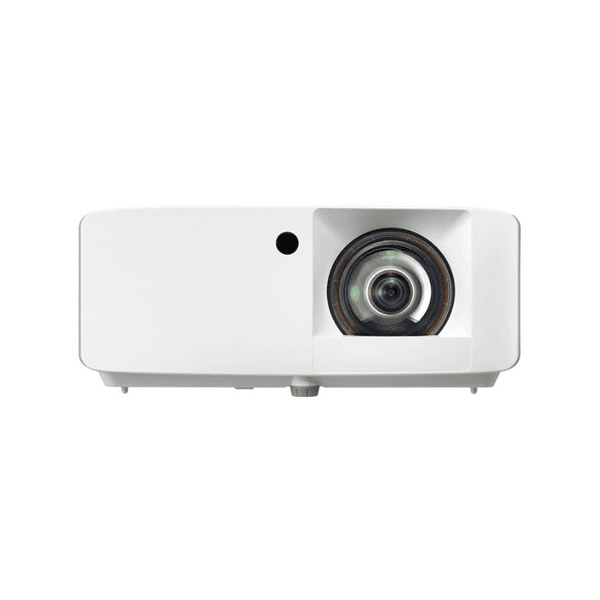
Buy at Amazon · $1,000, Optoma GT2000HDRCompare 3 retailers
Checked against each maker’s published frame, screen and clearances, or its room minimum where that’s all there is. Your picture is 11′6″ wide, 8′7″ tall.
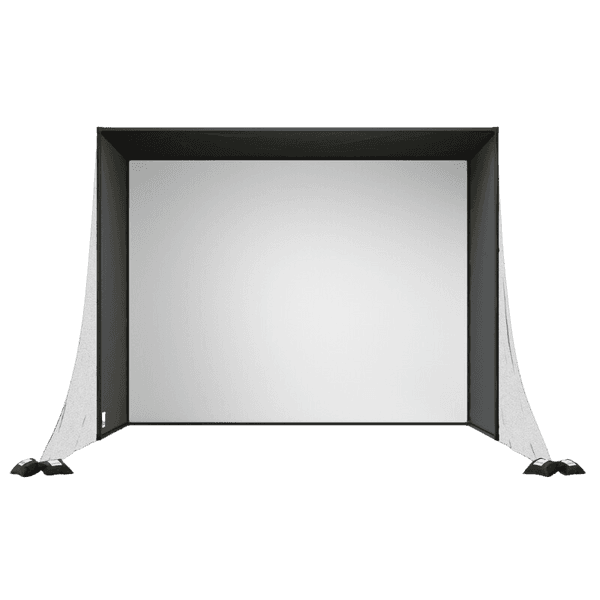
Rain or Shine Golf publishes no screen size. Its 144 × 108 in frame is bigger than your 138 × 103 in picture and fits your room, but check the screen itself before you buy.
Frame checked, screen size unpublished · source

Carl's Place publishes no screen size. Its 166 × 108 in frame is bigger than your 138 × 103 in picture and fits your room with the 2 in each side, 6 in above and 10 in behind its maker asks for, but check the screen itself before you buy.
Frame checked, screen size unpublished · source
With a smaller picture
These fit your room, but their screens are smaller than your picture. Each holds up to:
- Shop Indoor Golf SIG12 Enclosurea 171 in 4:3 picture (137 × 103 in) · from $1,875
- Shop Indoor Golf SIGPRO Commercial Enclosure (9x14)a 171 in 4:3 picture (137 × 103 in) · from $2,662
- Carl's Place C-Series DIY Enclosure (9x12, Premium screen)a 165 in 4:3 picture (132 × 99 in) · from $1,750
The maker says the room is too small
Their frames fit, but their makers’ own room guides ask for more than your room has, so the planner doesn’t suggest them.
- SimBooth 1Its frame fits, but SimBooth's own room guide asks for 22′ deep, more than your room has.
- SimBooth 2Its frame fits, but SimBooth's own room guide asks for 22′ deep, more than your room has.
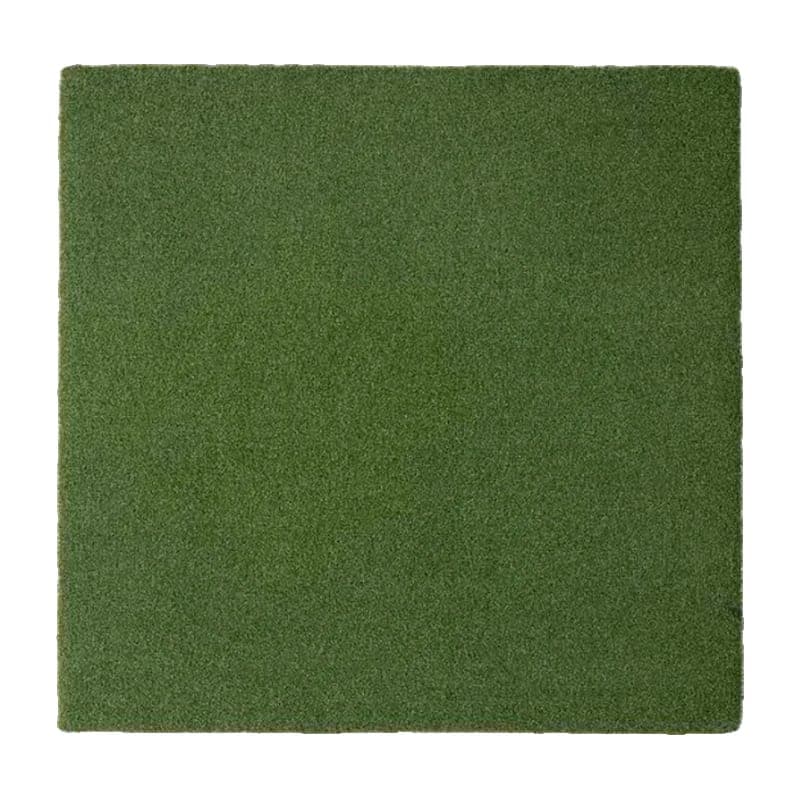
5′ × 5′ hitting surface: a full stance. Your room is 10′ wider and 15′ deeper than that surface.
Buy at Amazon · $300, SkyTrak Hitting Mat (5×5)Compare 3 retailers
Product page →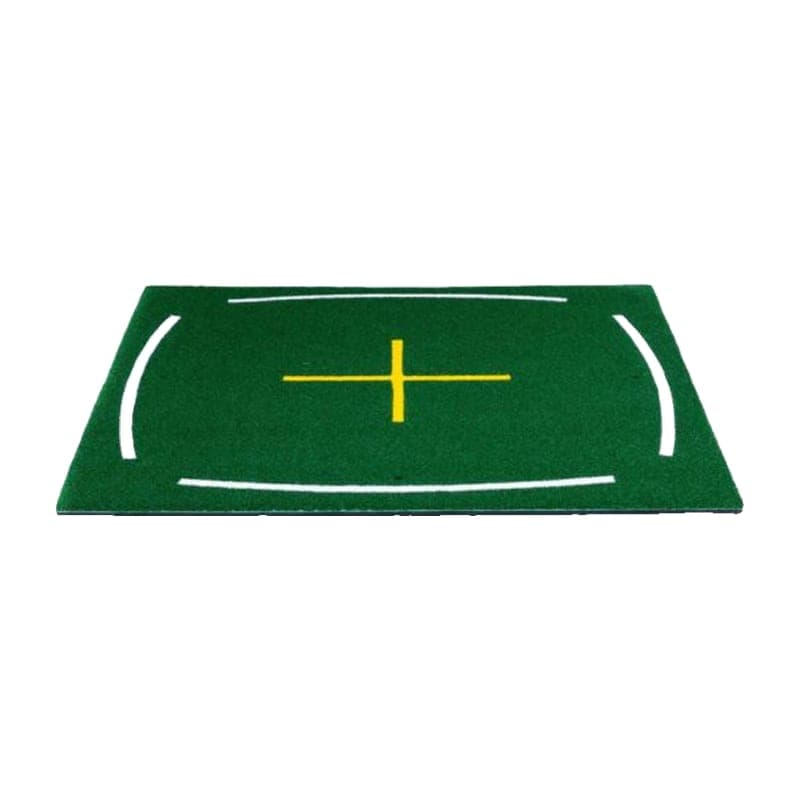
5′ × 5′ hitting surface: a full stance. Your room is 10′ wider and 15′ deeper than that surface.
Prices confirmed Nov 10, 2026 · we check every retailer daily
- The Showroom — $28,000 Aspirational
$27,918 total
An uncompromised premium build for buyers who want the room to feel like a private club, not a converted basement. Foresight GCQuad anchors the room.
OKWith its own gear in your room: Works.
Needs a room 15′ wide (the build's own figure), 20′ deep (the build's own figure) and 10′ high (the build's own figure).
See the build → - The Dedicated Family Room — $12,000
$12,308 total
Garmin R50's standalone touchscreen lets anyone walk up and play. SIG12 width gives both-handed users room to swing; PC handles serious play when adults want it.
OKWith its own gear in your room: Works.
Needs a room 14′ wide (the build's own figure), 20′ deep (the build's own figure) and 10′ high (the build's own figure).
See the build → - The Performance Showroom — $30,000
$29,888 total
The serious-practice room with no compromises. Foresight Falcon for tour-grade ceiling-mount data, commercial-grade screen, laser projector.
OKWith its own gear in your room: Works.
Needs a room 14′ wide (the build's own figure), 18′ deep (the build's own figure) and 10′ high (the build's own figure).
See the build →
Every number, and where it came from22 numbers, each with its basis and sources
This plan rests on 22 numbers. Each one says where it came from: your entry, the equipment maker, published guidance, a measurement from a study, a calculation from those, or a default nobody publishes. Five are unsourced defaults; replace them with your own figure under Advanced if you have one.
- Image diagonal14′4″ (172 in)Derived
The largest 4:3 image that fits, rounded down to a whole inch; limited by the projector: one inch larger, it can't light the picture from a spot where its throw and lens height pass.
- Image bottom above the floor0 inDerived
Bottom position: the image starts at the hitting surface, with no gap under it.
- Kept free beside the image (each side)6 inUnsourced default
Unsourced default: kept free for side curtains or netting. The largest image is the room width less this on each side.
- Kept free above the image6 inUnsourced default
Unsourced default: room above the picture for the screen's top fixing. The largest image stops this far below the ceiling.
- Gap under the image0 inUnsourced default
Image starts at the floor; raise it if your screen has a bottom frame or ball return.
- Gap between screen and front wall12 inPublished guidance
Trackman: "Allow 1ft (30cm) of space directly behind the impact screen"; Carl's Place: 12 in at the rear "is recommended"; SIGPRO: 6 to 12 in "in most cases". The plan uses the strictest, 12 in. Enter your enclosure's own figure if it gives one.
Sources (3)
- support.trackmangolf.com/hc/en-us/articles/508989271669…Maker · checked Oct 20, 2026
Loading the quote…
- shop.carlofet.com/diy-golf-simulator-enclosure-kit-with…Maker · checked Oct 21, 2026
Loading the quote…
- cdn.shopify.com/s/files/1/2031/8247/files/SigProCommEnc…Maker manual · checked Oct 21, 2026
Loading the quote…
- support.trackmangolf.com/hc/en-us/articles/508989271669…Maker · checked Oct 20, 2026
- Hitting mat thickness0 inUnsourced default
Default 0: heights are measured from the floor. The swing model measures from the hitting surface, so enter the mat's thickness to subtract it.
- Ceiling to projector lens centre (as high as it goes)12 inDerived
6 in for the VIVO MOUNT-VP01W Adjustable Ceiling Projector Mount, the ceiling mount Amazon sells (our first link for it): the maker says it holds the projector 6 in from the ceiling, fixed. Plus 6 in from the mount to the lens centre: a default, since no maker publishes it. Other retailers sell other mounts under the same name: the QualGear QG-PM-002 Universal Telescopic Projector Ceiling Mount (Shop Indoor Golf) 16.9 to 25.6 in, the RoS Universal Ceiling Projector Mount (Rain or Shine Golf) 16.9 to 25.6 in and the Crimson AV JR3 SyncPro universal projector mount (Indoor Golf Outlet) 3.46 in. Measure your mount and projector and enter the figure.
Sources (2)
- amazon.com/VIVO-Universal-Adjustable-Projection-MOUNT-V…Retailer · checked Oct 21, 2026
Loading the quote…
Loading the quote…
- vivo-us.com/products/mount-vp01bMaker · checked Oct 21, 2026
Loading the quote…
Loading the quote…
- amazon.com/VIVO-Universal-Adjustable-Projection-MOUNT-V…Retailer · checked Oct 21, 2026
- Ball to screen10′11″ (131 in)Derived
This launch monitor's maker publishes no ball-to-screen distance, so the plan uses Carl's Place's minimum, 120 in (10 ft) from the screen to the ball; Carl's Place makes enclosures and impact screens. The plan moves the ball back, from 120 in to 131 in, to keep the projector as far from you as the makers advise.
Sources (1)
- carlofet.com/blog/measuring-your-space-for-an-indoor-go…Maker · checked Nov 8, 2026
Loading the quote…
Loading the quote…
- carlofet.com/blog/measuring-your-space-for-an-indoor-go…Maker · checked Nov 8, 2026
- Ball to golfer's centreline2′ (24 in)Derived
Club length x cos(lie angle): the club soled at its maker lie with the hands under the shoulder centre. Ignores the hands sitting ahead of the body, so it puts the golfer slightly close to the ball.
Sources (1)
- ping.com/en-us/golf-clubs/drivers/g440-max-driverMaker · checked Oct 20, 2026
Loading the quote…
Loading the quote…
Loading the quote…
1 more from this pageFewer
Loading the quote…
- ping.com/en-us/golf-clubs/drivers/g440-max-driverMaker · checked Oct 20, 2026
- Ball position across the room (0 = screen centre)2′ (24 in)Derived
Chosen so the golfer's geometric side reach with every club (and a beside-the-ball unit) leaves equal room to both side walls, but kept at least 12 in inside the picture's side edges (an unsourced default) so a straight shot lands on it. On the projector's centreline (BenQ calls a projector on the target line "the safest place in the room") the left wall would be 66 in from you, under the 7 ft Carl's Place and Shop Indoor Golf advise, so the ball stays where the walls balance.
Sources (3)
- benq.com/en-us/business/campaign/golf-simulator-project…Maker · checked Oct 21, 2026
Loading the quote…
- carlofet.com/blog/measuring-your-space-for-an-indoor-go…Maker · checked Oct 23, 2026
Loading the quote…
- shopindoorgolf.com/pages/how-much-space-do-you-need-for…Retailer · checked Oct 23, 2026
Loading the quote…
- benq.com/en-us/business/campaign/golf-simulator-project…Maker · checked Oct 21, 2026
- Shoulder breadth (body width)17 inDerived
The ANSUR II shoulder-breadth ratio times your height: biacromial breadth, measured bone to bone between the shoulder points, so a little narrower than the outside of the shoulders (no wider sourced body width was found). The body is drawn this wide, and the standing-room check keeps half of it clear of each wall.
Sources (1)
- tools.openlab.psu.edu/publicData/ANSURII-TR15-007.pdfGovernment report · checked Oct 20, 2026
Loading the quote…
Loading the quote…
Loading the quote…
1 more from this pageFewer
Loading the quote…
- tools.openlab.psu.edu/publicData/ANSURII-TR15-007.pdfGovernment report · checked Oct 20, 2026
- Typical swing-plane angle49.8°Measured in a study
Measured swing-plane inclination for the driver, which every verdict uses, from horizontal: the Average swing. Flat and Upright move it 2.9° either side. Shin 2008 measured 49.8 ± 2.9° (mean ± standard deviation across the golfers measured).
Sources (6)
- tools.openlab.psu.edu/publicData/ANSURII-TR15-007.pdfGovernment report · checked Oct 21, 2026
Loading the quote…
Loading the quote…
Loading the quote…
13 more from this pageFewer
Loading the quote…
Loading the quote…
Loading the quote…
Loading the quote…
Loading the quote…
Loading the quote…
Loading the quote…
Loading the quote…
Loading the quote…
Loading the quote…
Loading the quote…
Loading the quote…
Loading the quote…
- ping.com/en-us/golf-clubs/drivers/g440-max-driverMaker · checked Oct 20, 2026
Loading the quote…
Loading the quote…
- ojs.ub.uni-konstanz.de/cpa/article/view/5641/5134Conference paper · checked Oct 24, 2026
Loading the quote…
Loading the quote…
Loading the quote…
11 more from this pageFewer
Loading the quote…
Loading the quote…
Loading the quote…
Loading the quote…
Loading the quote…
Loading the quote…
Loading the quote…
Loading the quote…
Loading the quote…
Loading the quote…
Loading the quote…
- ojs.ub.uni-konstanz.de/cpa/article/view/1927/1795Conference paper · checked Oct 20, 2026
Loading the quote…
Loading the quote…
Loading the quote…
2 more from this pageFewer
Loading the quote…
Loading the quote…
- pure.ulster.ac.uk/ws/files/11652215/Morrison%202018%20A…Journal · checked Oct 20, 2026
Loading the quote…
Loading the quote…
Loading the quote…
- frontiersin.org/journals/bioengineering-and-biotechnolo…Journal · checked Oct 20, 2026
Loading the quote…
Loading the quote…
Loading the quote…
4 more from this pageFewer
Loading the quote…
Loading the quote…
Loading the quote…
Loading the quote…
- tools.openlab.psu.edu/publicData/ANSURII-TR15-007.pdfGovernment report · checked Oct 21, 2026
- Geometric bound angle90°Derived
Arm and club in one vertical line: no swing can go higher.
Sources (2)
- tools.openlab.psu.edu/publicData/ANSURII-TR15-007.pdfGovernment report · checked Oct 20, 2026
Loading the quote…
Loading the quote…
Loading the quote…
7 more from this pageFewer
Loading the quote…
Loading the quote…
Loading the quote…
Loading the quote…
Loading the quote…
Loading the quote…
Loading the quote…
- ping.com/en-us/golf-clubs/drivers/g440-max-driverMaker · checked Oct 20, 2026
Loading the quote…
Loading the quote…
- tools.openlab.psu.edu/publicData/ANSURII-TR15-007.pdfGovernment report · checked Oct 20, 2026
- Backswing-plane angle (steeper)60.5°Measured in a study
Liu 2026's backswing plane. The projector's club clearance tests it as well as the typical plane (QA3 A2); the ceiling quotes its peak for reference.
Sources (1)
- frontiersin.org/journals/bioengineering-and-biotechnolo…Journal · checked Oct 20, 2026
Loading the quote…
Loading the quote…
Loading the quote…
4 more from this pageFewer
Loading the quote…
Loading the quote…
Loading the quote…
Loading the quote…
- frontiersin.org/journals/bioengineering-and-biotechnolo…Journal · checked Oct 20, 2026
- Club head above the swing plane at the top of the backswing14 inMeasured in a study
Han 2013 measured the driver's club head above the impact-zone swing plane at the top of the backswing: 36.5 cm, the mean for its less skilled (handicap 12-18) golfers, the larger and so the stricter of its two groups (skilled golfers: 23.2 cm). The projector's club clearance takes it as a plane through the same hub whose highest point sits that far above the swing plane: 59.8° here (our model; no study gives the path between). The ceiling quotes its peak for reference.
Sources (1)
- ojs.ub.uni-konstanz.de/cpa/article/view/5641/5134Conference paper · checked Oct 24, 2026
Loading the quote…
Loading the quote…
- ojs.ub.uni-konstanz.de/cpa/article/view/5641/5134Conference paper · checked Oct 24, 2026
- Launch monitor to ball2′ (24 in)Maker
The maker's single figure.
Sources (3)
- qrfy.io/r/Ve_ldkZkoaMaker manual · checked Oct 29, 2026
Loading the quote…
- qrfy.io/r/cR4VSiQlKyMaker manual · checked Oct 29, 2026
Loading the quote…
- nvisagetech.com/n1-launch-monitorMaker · checked Oct 29, 2026
Loading the quote…
- qrfy.io/r/Ve_ldkZkoaMaker manual · checked Oct 29, 2026
- Clearance margin12 inPublished guidance
Ceiling guidance: PlayBetter and Shop Indoor Golf (retailers) advise 6 to 12 in above the highest point of the swing; Rapsodo, the one maker, 6 to 9 in. A ceiling less than the top, 12 in, above a typical driver swing is under guidance. The planner keeps the same 12 in as its own margin beyond the walls, the screen, the projector and the published minimums: inside it a check reads close, which the verdict doesn't count.
Sources (3)
- playbetter.com/blogs/golf-simulator-space/ceiling-heigh…Retailer · checked Oct 20, 2026
Loading the quote…
- rapsodo.com/blogs/golf/recommended-ceiling-height-for-g…Maker · checked Oct 20, 2026
Loading the quote…
- shopindoorgolf.com/blogs/helpful-articles-videos/key-co…Retailer · checked Oct 20, 2026
Loading the quote…
- playbetter.com/blogs/golf-simulator-space/ceiling-heigh…Retailer · checked Oct 20, 2026
- Lens to screen7′7″ (91 in)Derived
An end of the maker's zoom range inside its projection distance: the one that keeps you out of the light, or the shorter throw when both do.
Sources (4)
- optomausa.com/product/gt2000hdrMaker · checked Oct 20, 2026
Loading the quote…
- region-resource.optoma.com/products/import/Documents/02…Maker · checked Oct 20, 2026
Loading the quote…
- region-resource.optoma.com/products/import/Documents/02…Maker manual · checked Oct 20, 2026
Loading the quote…
Loading the quote…
- dc-api.optoma.com/api/getDetail/2662Maker · checked Oct 20, 2026
Loading the quote…
- optomausa.com/product/gt2000hdrMaker · checked Oct 20, 2026
- Projector body (3D club clearance)11 inMaker
The maker's body, 10.79 x 8.5 x 4.49 in (wide, deep, tall), with the lens at the middle of its front face (no maker publishes where the lens sits: our assumption) and its mount above it: a typical driver swing that reaches them fails. A deliberately generous box, 20 in wide, 20 in deep (18 in behind the lens) and 12 in tall around the lens, plus a 4 in pole to the ceiling, marks "close".
Sources (5)
- region-resource.optoma.com/products/import/Documents/02…Maker · checked Oct 23, 2026
Loading the quote…
- optomausa.com/product/gt2000hdrMaker · checked Oct 23, 2026
Loading the quote…
- region-resource.optoma.com/products/import/Documents/02…Maker manual · checked Oct 23, 2026
Loading the quote…
- region-resource.optoma.com/products/import/Documents/c5…Maker · checked Oct 23, 2026
Loading the quote…
Loading the quote…
- dc-api.optoma.com/api/getDetail/2662Maker · checked Oct 23, 2026
Loading the quote…
- region-resource.optoma.com/products/import/Documents/02…Maker · checked Oct 23, 2026
- Projector tilt down0°Unsourced default
Default 0: the projector hangs level.
- Most it may tilt down15°Derived
15°, set by the ceiling mount's tilt and its vertical keystone range: the strictest of the three.
Sources (7)
- amazon.com/VIVO-Universal-Adjustable-Projection-MOUNT-V…Retailer · checked Oct 21, 2026
Loading the quote…
- vivo-us.com/products/mount-vp01bMaker · checked Oct 21, 2026
Loading the quote…
Loading the quote…
- qualgear.com/products/telescopic-projector-ceiling-moun…Maker · checked Oct 21, 2026
Loading the quote…
Loading the quote…
- qualgear.com/cdn/shop/files/QualGear_QG-PM-002-WHT_inst…Maker manual · checked Oct 21, 2026
Loading the quote…
- region-resource.optoma.com/products/import/Documents/02…Maker · checked Oct 21, 2026
Loading the quote…
- region-resource.optoma.com/products/import/Documents/02…Maker manual · checked Oct 21, 2026
Loading the quote…
- optomausa.com/product/gt2000hdrMaker · checked Oct 21, 2026
Loading the quote…
- amazon.com/VIVO-Universal-Adjustable-Projection-MOUNT-V…Retailer · checked Oct 21, 2026
What the statuses meanFail, under guidance, close, note, unknown and OK, and what the plan assumes
How the statuses work
- Fail
- A typical driver swing reaches it; the ceiling is under Shop Indoor Golf's minimum for your height and swing type; there is no room to stand at the ball; the equipment can't sit where its maker says, or the projector can't land the picture or hang where it must; a straight shot misses the picture; or the room is under the maker's minimum.
- Under guidance
- Below a published recommendation, and the check names whose: the 7 ft around the golfer and behind the tee from Carl's Place and Shop Indoor Golf; Shop Indoor Golf's recommended ceiling, and the 6 to 12 in above the swing PlayBetter and Shop Indoor Golf advise (Rapsodo, the one maker, says 6 to 9 in); a launch-monitor maker's recommended room, ball-to-screen distance or width for both hands; BenQ's and Carl's Place's projector distances and Shop Indoor Golf's 9 ft projector height. Where sources disagree, the strictest counts and the check says which it meets.
- Close
- It meets every published figure, but sits inside the 12 in margin the planner keeps, only the geometric maximum reaches it, or it eats into space the planner keeps free by default. Shown, but not counted in the verdict.
- Note
- Advice that never changes the verdict: a ball can reach a projector in front of you, a moving club shadows the picture, a mount needs a drop pole, the unit changes sides between players, a default decides a fail, the launch monitor's maker publishes no room size (the other checks hold the room to the figures that are published) or no left-handed setup (the plan takes the stricter case), or a check waits on one that already fails (the lens can't hang where the picture needs it).
- OK
- Clear by at least the 12 in margin, with every published figure the check uses met.
What the plan assumes
- The typical swing uses swing-plane angles measured on low-handicap male golfers: Shin 2008's PGA professionals (handicap 1 or less) for the driver and wedge, and Liu 2026's golfers (handicap about 1.4) for the 7-iron. No study of women, juniors or high handicappers was found, so the dashed geometric maximum stays on the drawing as the outer limit.
- Average is the measured mean driver plane, 49.8° (Shin 2008 measured 49.8 ± 2.9°, mean ± standard deviation). Flat and Upright tilt it one standard deviation either side, 46.9° and 52.7°: no source defines a flat or upright swing in degrees, so that reading is ours. The 7-iron and wedge move by their own measured spread where one is published, else by the driver's. A flatter swing peaks lower but reaches wider, so it is easier on the ceiling and harder on the side walls. Shop Indoor Golf's ceiling table has flat and upright rows for golfers under 5'10"; an average swing is held to the stricter, upright row.
- The ceiling, wall and projector-clearance verdicts use the driver's swing. The 7-iron and wedge peaks are quoted for reference: our extrapolation from measured swing planes, not measured peaks. The club you pick only chooses which swing is drawn.
- Shoulder and mid-trunk heights are standing heights from ANSUR II. At address both sit lower, so heights err high; the straight arm-and-club lever errs the other way at the top of a hinged swing.
- Shoulder breadth is ANSUR II's biacromial breadth, measured bone to bone between the shoulder points, so the body box is a little narrower than the outside of the shoulders. No wider sourced body width was found.
- Shoes aren't modelled. A hitting mat raises you: enter its thickness under Advanced and every height shifts.
- Along the target line a typical swing reaches the full radius of its swing plane, back on the takeaway and forward in the follow-through. The back-wall and screen checks fail inside that; the back wall is under guidance under 7 ft behind the tee, and both read close until the geometric maximum clears by the margin.
- The projector lens is centred on the screen left to right (no horizontal lens shift).
- Behind-the-ball and overhead units sit on the target line through the ball; beside-the-ball units sit level with the ball.
- The golfer's front-to-back body depth is not modelled; the body box uses half the ANSUR II shoulder breadth each way.
- Each projector's body is the maker's published size, with the lens at the middle of its front face (no maker publishes where the lens sits; where a drawing shows it off centre, the body is widened by that much each side) and its mount above it. A typical driver swing that reaches the body or mount fails; coming within the margin of a deliberately generous box around the lens is close. Ball-strike checks use the lens centre.
How the planner worksWhere each piece goes, and where the numbers come from
Enter your room, your height and the gear you’re weighing. The planner puts the golfer, ball, screen, launch monitor and projector where their makers say they go, draws the swing to scale, and checks every clearance: ceiling, walls, screen, the launch monitor’s placement, the projector’s throw, strike risk and shadow.
Every number is sourced or labelled. Equipment figures come from makers’ manuals and spec pages; the swing from the US Army’s ANSUR II body survey and published swing-plane measurements. Anything nobody publishes is labelled as a default you can replace. The sources sit under each check.
The planner is strict on purpose. Where sources disagree it uses the strictest published figure, and its swing model errs on the high side. Some golfers do play in smaller rooms than it allows. We would rather a plan leave you some margin, so you can buy with confidence, than have you find out the room is too small after the screen is up.
Only checking the ceiling? The ceiling height calculator is quicker. For a full build matched to this room and a budget, use the configurator, and the room requirements guide explains the dimensions behind it.