Comparison
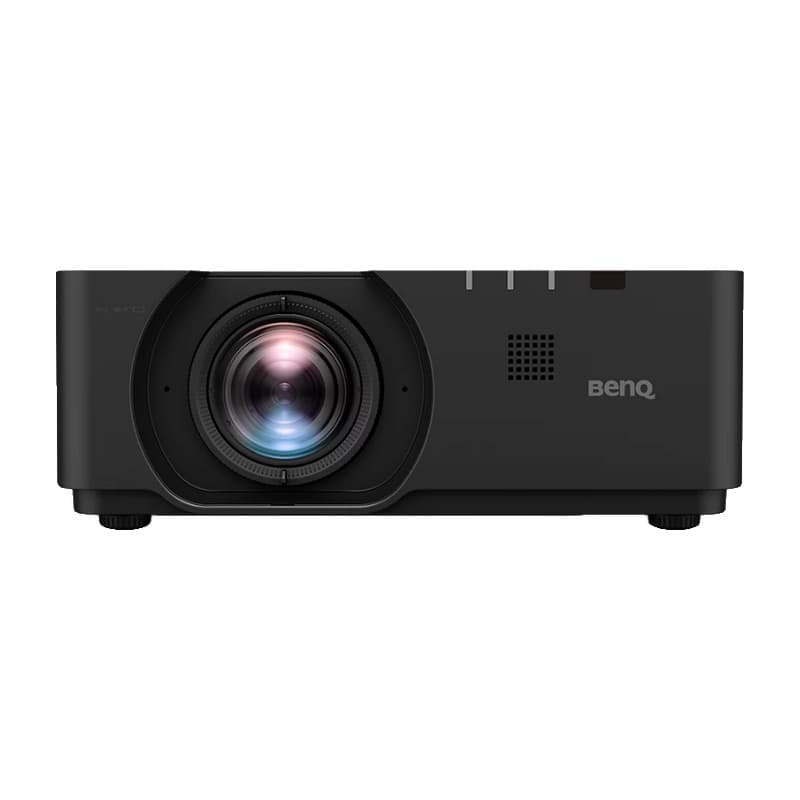
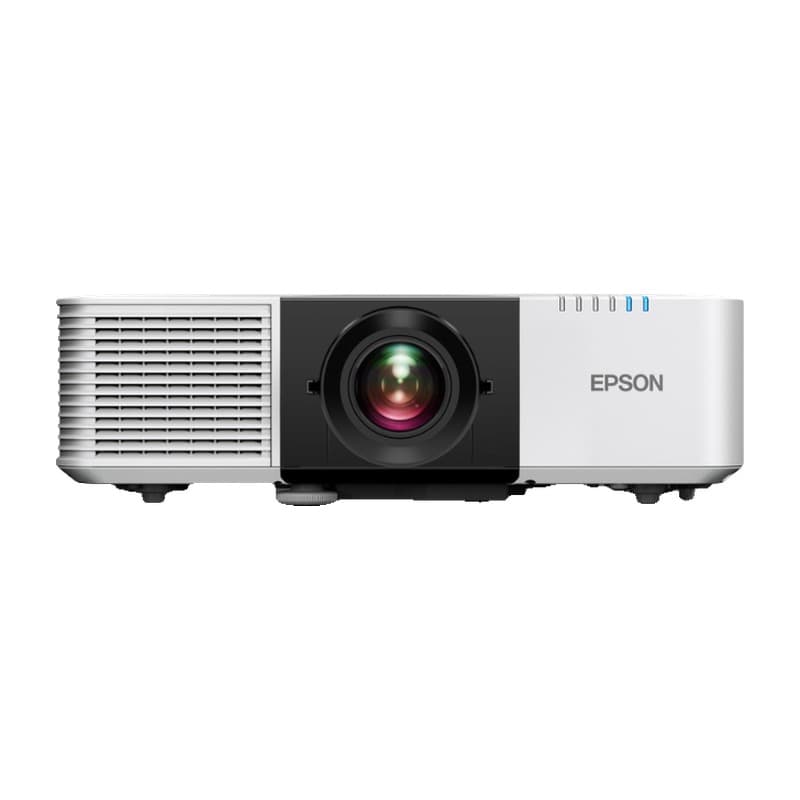
LU960ST2 vs PowerLite L890E
When you buy through links on Northcourse, we may earn a commission at no additional cost to you. Read the full affiliate disclosure
A side-by-side look at how the BenQ LU960ST2 and Epson PowerLite L890E compare on specs, accuracy, room requirements, and price. No hype — just the parts of the decision a buyer actually weighs.
Also worth a look
More comparisons with the LU960ST2 and PowerLite L890E
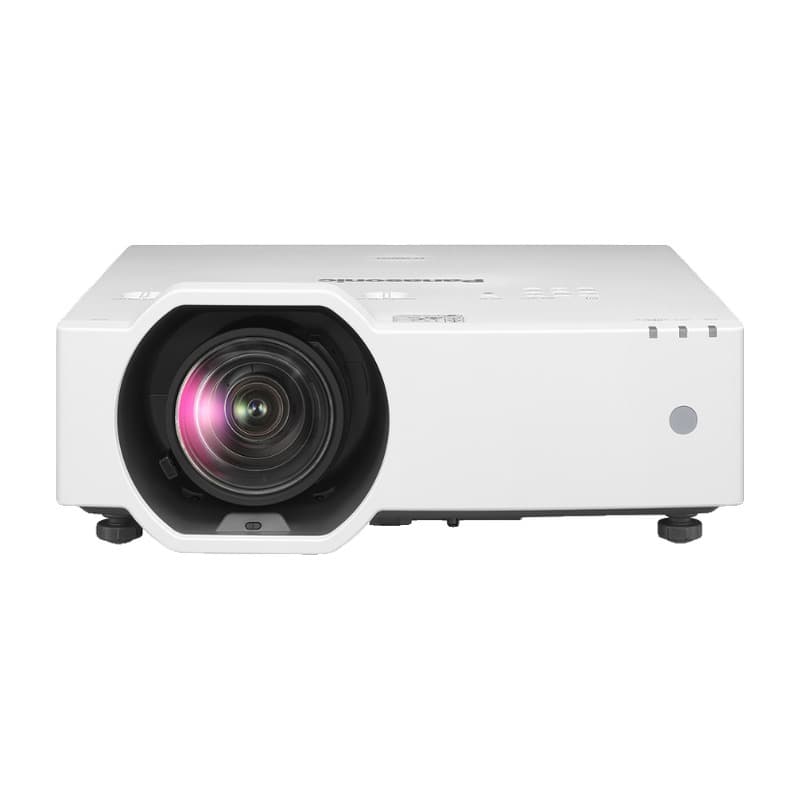
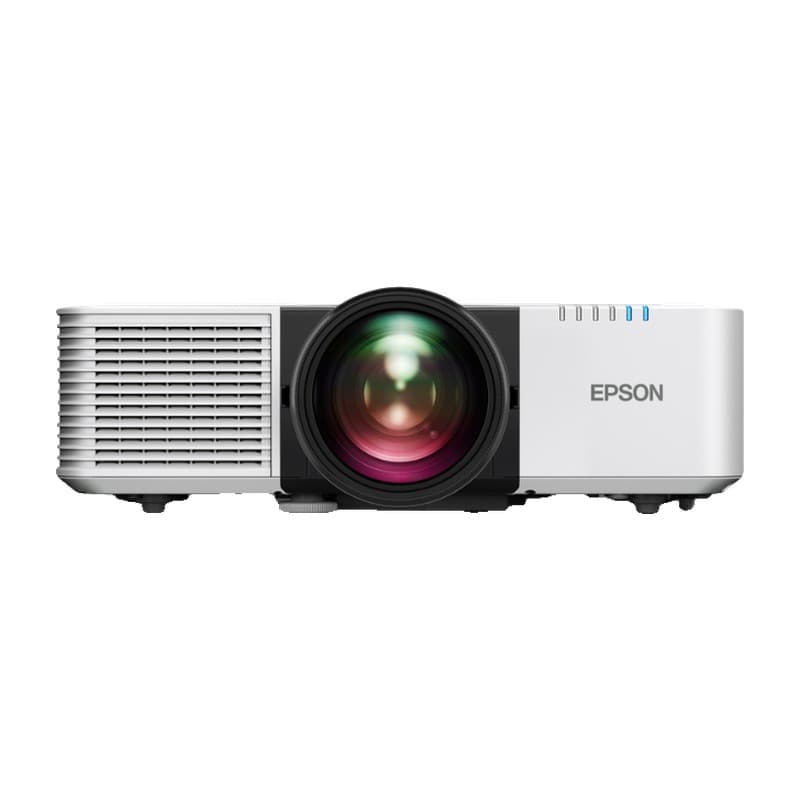

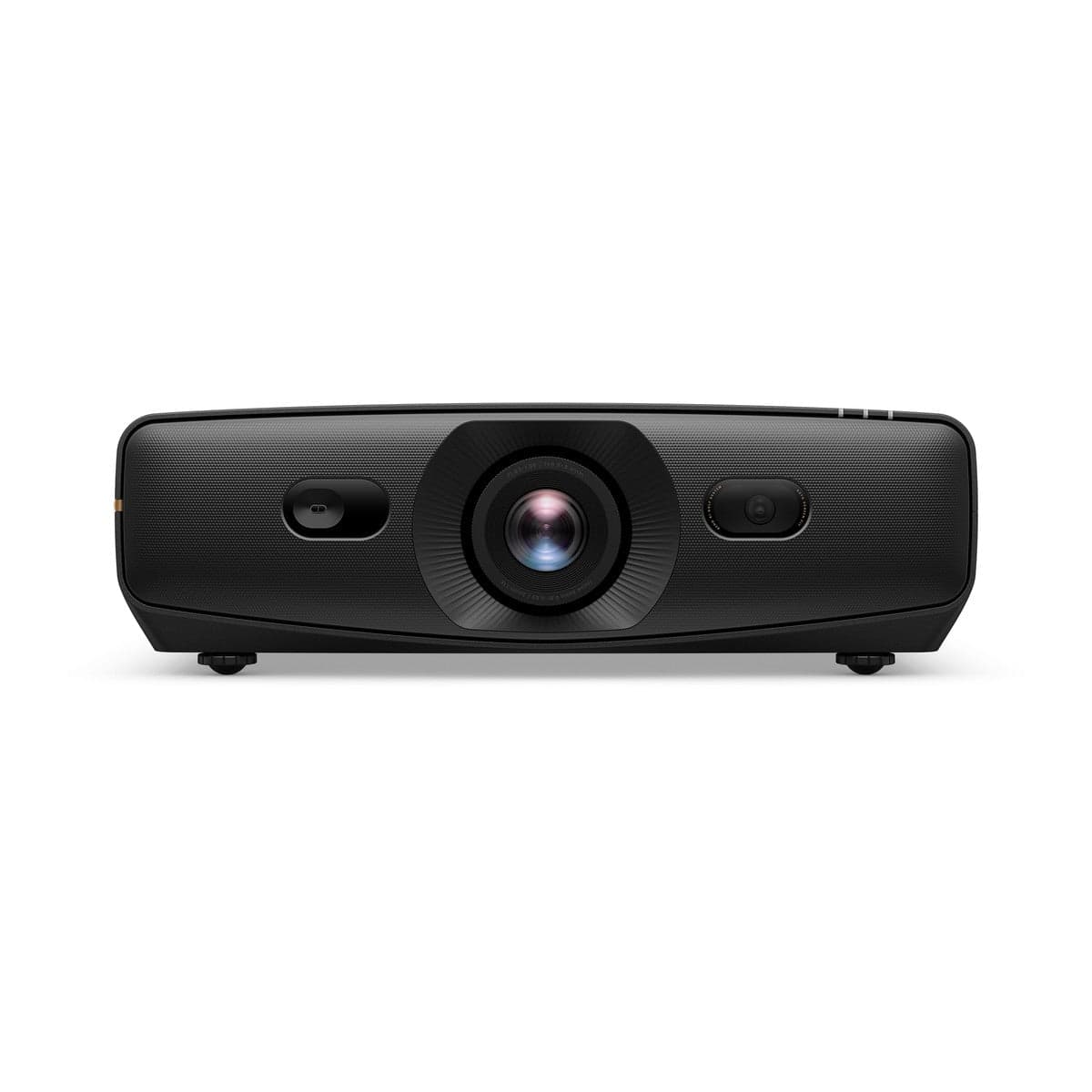

Buy LU960ST2
Prices confirmed Nov 10, 2026 · we check every retailer daily
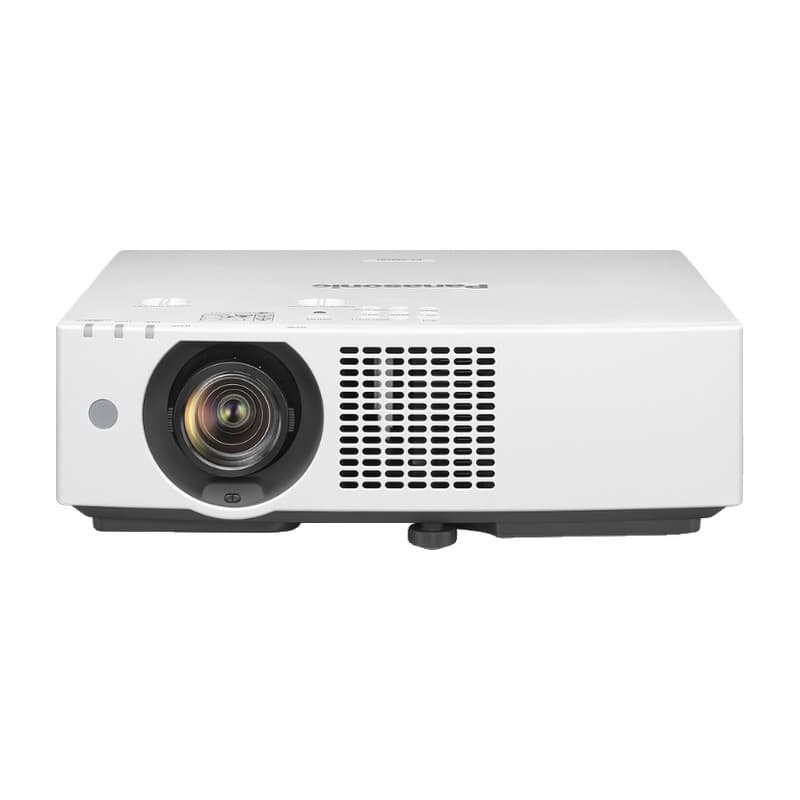
Buy PowerLite L890E
Prices confirmed Nov 10, 2026 · we check every retailer daily
When you buy through links on Northcourse, we may earn a commission at no additional cost to you. Read the full affiliate disclosure
Full specificationsEvery spec for both, line by line
Specifications
The numbers, lined up.
Image
| Spec | LU960ST2 | PowerLite L890E |
|---|---|---|
| Resolution | WUXGA (1920×1200), 16:10 | WUXGA (1920×1200) 3LCD with 4K Enhancement (pixel shift, about 4.6 million pixels; not native 4K) |
| Lumens | 5,200 ANSI | 8,000 (ISO 21118; color light output the same) |
| Screen Size | About 82–205 in (BenQ's datasheet and manual) | — |
| Picture Mode | Simulator mode (BenQ: settings for blending multiple projectors, not a golf preset) | — |
- ResolutionLU960ST2WUXGA (1920×1200), 16:10PowerLite L890EWUXGA (1920×1200) 3LCD with 4K Enhancement (pixel shift, about 4.6 million pixels; not native 4K)
- LumensLU960ST25,200 ANSIPowerLite L890E8,000 (ISO 21118; color light output the same)
- Screen SizeLU960ST2About 82–205 in (BenQ's datasheet and manual)PowerLite L890E—
- Picture ModeLU960ST2Simulator mode (BenQ: settings for blending multiple projectors, not a golf preset)PowerLite L890E—
Hardware
| Spec | LU960ST2 | PowerLite L890E |
|---|---|---|
| Light Source | Laser (20,000 hours normal) | Laser (20,000 hours normal, 30,000 Extended) |
| Throw Ratio | 0.5:1 (fixed) | 1.35–2.20 (1.6× manual zoom) |
| Lens Shift | Vertical ±50%, horizontal ±20% (BenQ's manual; its spec page says ±55% / ±23%) | Vertical ±50%, horizontal ±20% (vertical about ±12% at full horizontal shift) |
| Dimensions | 18.88 × 15.83 × 7.2 in (W × D × H) | 17.32 × 13.39 × 5.43 in (W × D × H, including feet) |
| Models | — | L890E (white, V11HB24020) and L895E (black, V11HB24120), identical specs |
- Light SourceLU960ST2Laser (20,000 hours normal)PowerLite L890ELaser (20,000 hours normal, 30,000 Extended)
- Throw RatioLU960ST20.5:1 (fixed)PowerLite L890E1.35–2.20 (1.6× manual zoom)
- Lens ShiftLU960ST2Vertical ±50%, horizontal ±20% (BenQ's manual; its spec page says ±55% / ±23%)PowerLite L890EVertical ±50%, horizontal ±20% (vertical about ±12% at full horizontal shift)
- DimensionsLU960ST218.88 × 15.83 × 7.2 in (W × D × H)PowerLite L890E17.32 × 13.39 × 5.43 in (W × D × H, including feet)
- ModelsLU960ST2—PowerLite L890EL890E (white, V11HB24020) and L895E (black, V11HB24120), identical specs
Requirements
| Spec | LU960ST2 | PowerLite L890E |
|---|---|---|
| Throw Distance | 100 in (16:10) at about 3.5 ft (BenQ's manual) | 80 in (16:10) at 2.33–3.78 m (7.6–12.4 ft), per Epson's spec sheet |
- Throw DistanceLU960ST2100 in (16:10) at about 3.5 ft (BenQ's manual)PowerLite L890E80 in (16:10) at 2.33–3.78 m (7.6–12.4 ft), per Epson's spec sheet
Performance
| Spec | LU960ST2 | PowerLite L890E |
|---|---|---|
| Input Lag | 16.7 ms at 60Hz; 8.3 ms at 1080p/120Hz (BenQ) | — |
- Input LagLU960ST216.7 ms at 60Hz; 8.3 ms at 1080p/120Hz (BenQ)PowerLite L890E—
Software
| Spec | LU960ST2 | PowerLite L890E |
|---|---|---|
| Geometry | — | Curved-surface correction |
- GeometryLU960ST2—PowerLite L890ECurved-surface correction
Room planner
See each one in your sim room.
The planner draws each unit to scale with your room and your swing: where it mounts, the throw it needs, and whether your shadow crosses the light. Put in your room once, then switch units in the planner to compare.
Build your simulator in two minutes
Five questions. One tailored build with retailer links.
We ask about your budget, your room, and how you’ll use it. We return a complete build — launch monitor, mat, enclosure, projector, software, PC — with the reasoning behind every pick and the alternatives we considered.